


China to Australia Amazon FBA Freight Forwarding Logistics Warehouse Service: 2026 Guide
Developing a robust china to australia amazon fba freight forwarding logistics warehouse service is essential for ecommerce success in the current 2026 market. Many sellers struggle with complex customs regulations and fluctuating shipping costs that impact their profit margins significantly. Global China Forwarder offers a streamlined solution to these logistics challenges by providing end-to-end support from the factory floor to the Australian fulfillment centers.
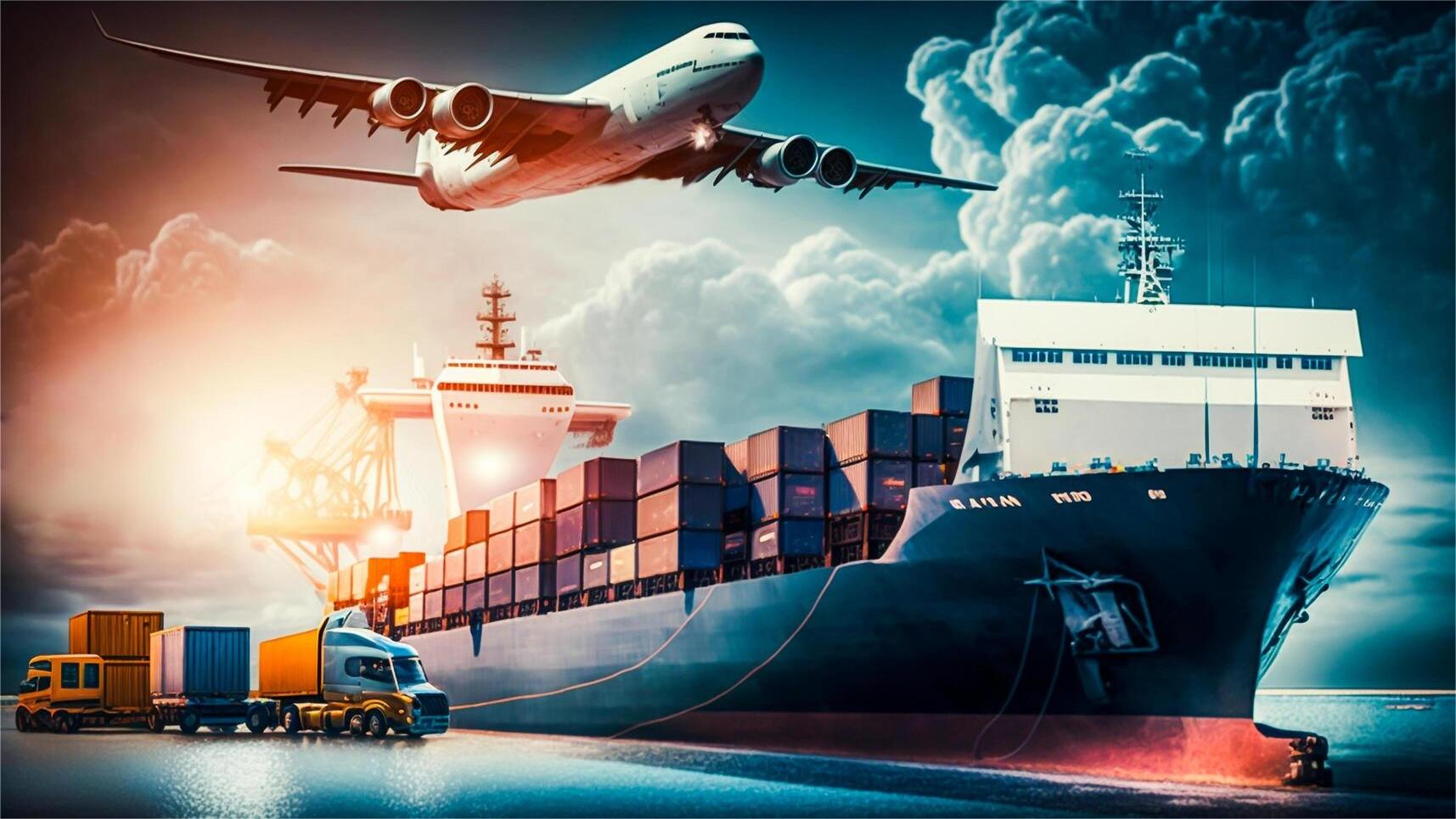
What Defines a High-Quality China to Australia Amazon FBA Freight Forwarding Logistics Warehouse Service?
Identifying a reliable partner requires looking beyond simple price quotes to evaluate the depth of their operational infrastructure. A professional Amazon FBA service provider must handle everything from labeling and packaging to final mile delivery within Australia. Furthermore, they should offer real-time tracking and transparent communication to ensure you are always aware of your inventory status.
Success in the competitive Australian marketplace depends heavily on your ability to maintain stock levels without overpaying for storage. Consequently, choosing a forwarder with integrated warehouse capabilities allows for better inventory management and faster restocking cycles. Moreover, these facilities provide a buffer against supply chain disruptions by allowing you to store bulk shipments near the target market.
Effective logistics providers also understand the specific requirements set by Amazon Australia for incoming shipments. Therefore, they ensure that every pallet and carton meets the strict dimensional and weight standards to avoid costly rejection at the fulfillment center. Additionally, having a partner who can manage the entire process reduces the administrative burden on your business significantly.
Choosing a specialized service ensures that your goods are handled with the care and precision required for international trade. Specifically, the integration of freight forwarding and local warehousing creates a seamless flow that minimizes transit times. Ultimately, this comprehensive approach helps you build a more resilient and profitable ecommerce brand in the Oceania region.
How Does Sea Freight Compare to Other Shipping Options?
Evaluating the different modes of transport is a critical step in optimizing your overall shipping strategy. While sea freight remains the most cost-effective method for large volumes, it requires careful planning due to longer transit times. However, the lower cost per unit often justifies the wait for high-volume sellers looking to maximize their margins.
In contrast, air freight offers unmatched speed for urgent restocks or high-value items that need to reach the market quickly. Nevertheless, the high cost of air transport can quickly erode profits if not managed carefully through a balanced shipping strategy. Indeed, many successful sellers use a hybrid approach that combines the cost-efficiency of ocean transport with the speed of air cargo.
Market data suggests that ocean freight rates from China to Australia have remained relatively stable throughout the first half of 2026. For instance, a standard 20GP container currently costs between 800 and 1200 dollars depending on the specific port of loading. On the other hand, air freight rates fluctuate more frequently based on fuel surcharges and seasonal demand spikes.
Understanding these trade-offs allows you to make informed decisions that align with your business goals and cash flow requirements. For example, during peak seasons like the lead-up to Christmas, booking sea freight well in advance is essential to avoid delays. Consequently, a well-timed shipment can save thousands of dollars in emergency air freight costs later in the year.
| Shipping Method | Cost Range (USD) | Transit Time | Best For |
|---|---|---|---|
| Sea Freight (FCL) | $1,400 – $2,000 | 12-18 Days | Bulk inventory |
| Sea Freight (LCL) | $50 – $90 per CBM | 15-22 Days | Mid-sized batches |
| Air Freight | $3.50 – $6.00 per kg | 3-7 Days | Urgent restocks |
| Express Service | $6.00 – $9.00 per kg | 2-4 Days | Samples / Small items |
Why Should You Consider Alternative Shipping Strategies?
Developing a flexible logistics plan involves exploring various alternative approaches to traditional shipping methods. For shipments under 15 CBM, utilizing Less than Container Load (LCL) options is often more economical than paying for a full container. However, you must account for the additional time required for cargo consolidation and deconsolidation at the ports.
Another effective strategy involves using transshipment hubs to potentially lower costs or bypass port congestion. For example, shipping via Singapore or Port Klang might offer more frequent departures even if it adds a few days to the total transit time. Moreover, these routes often have more carrier options, providing greater flexibility during peak shipping seasons.
Hybrid solutions like sea-air combinations are becoming increasingly popular for sellers who need a middle ground between cost and speed. Specifically, goods are shipped by sea to a regional hub and then flown to Australia for the final leg of the journey. Consequently, this method can save up to 40% compared to pure air freight while being significantly faster than sea freight alone.
Cost-saving strategies also include optimizing your packaging to reduce the dimensional weight of your shipments. Since many air freight carriers charge based on volume rather than actual weight, smaller boxes can lead to direct savings. Furthermore, consolidating multiple factory orders into a single shipment at a China-based warehouse can reduce documentation and handling fees.
How Do Customs Brokerage and Compliance Impact Your Delivery Schedule?
Navigating the legal requirements of Australian imports is a complex task that requires specialized knowledge. A professional customs brokerage service ensures that all duties and taxes, including the Goods and Services Tax (GST), are calculated correctly. Additionally, they handle the submission of the Import Declaration and ensure compliance with biosecurity regulations.
Failure to provide accurate documentation can lead to significant delays and additional storage fees at the port of discharge. Therefore, it is vital to prepare all necessary paperwork, such as the Commercial Invoice and Packing List, well before the vessel arrives. Indeed, proactive management of customs entries can reduce clearance times from several days to just a few hours.
Australian Border Force maintains strict standards for wood packaging materials, requiring them to be treated and marked according to ISPM 15 standards. Consequently, ensuring your suppliers in China use compliant pallets is essential to avoid expensive quarantine treatments or re-exportation orders. Moreover, your forwarder should verify these details at the origin to prevent issues upon arrival.
Working with an experienced partner helps you take advantage of various Free Trade Agreements (FTA) between China and Australia. Specifically, the ChAFTA agreement allows for reduced or zero tariffs on many product categories, provided the correct Certificate of Origin is supplied. Ultimately, these savings contribute directly to your bottom line and competitive pricing on Amazon.
Which Shipping Option Should You Choose for Your Business?
Selecting the right method depends on a careful analysis of your budget, timeline, and product characteristics. If your primary goal is to minimize costs and you have a predictable sales velocity, sea freight is the logical choice. On the other hand, if you are launching a new product and need to test the market quickly, air freight is more suitable.
Volume thresholds also play a major role in the decision-making process for most ecommerce sellers. Generally, once your shipment exceeds 15 CBM, it becomes more cost-effective to book a 20GP Full Container Load (FCL) rather than LCL. Furthermore, FCL shipments are typically safer as the container remains sealed from the point of origin to the destination warehouse.
Cargo type considerations are equally important, especially for items that are fragile or have a limited shelf life. For instance, high-value electronics benefit from the security and speed of air transport, while bulky furniture is best suited for ocean containers. Additionally, you should consider the seasonal trends of the Australian market to ensure your inventory arrives exactly when demand peaks.
To summarize, a balanced approach often yields the best results for growing Amazon businesses. For example, you might ship 80% of your inventory via sea to maintain a low cost base and 20% via air to handle unexpected surges in demand. This strategy ensures that you never run out of stock while keeping your average landed cost within a sustainable range.
What Are the Current 2026 Market Trends in China-Australia Logistics?
Market intelligence for the first quarter of 2026 indicates a stabilization of freight rates following the disruptions of previous years. According to industry benchmarks, the introduction of new green-energy vessels has increased capacity on the China-Australia route. Consequently, shippers are seeing more competitive pricing and more reliable delivery schedules compared to 2025.
Digital transformation is also reshaping how sellers manage their china to australia amazon fba freight forwarding logistics warehouse service. For example, the adoption of blockchain-based tracking and automated customs filing has significantly reduced administrative errors. Moreover, the integration of AI-driven demand forecasting helps forwarders optimize container space and reduce waste in the supply chain.
Sustainability is becoming a key focus for both consumers and regulators in Australia. Therefore, many logistics providers are now offering carbon-neutral shipping options and eco-friendly packaging materials. Indeed, demonstrating a commitment to environmental responsibility can enhance your brand reputation and appeal to a broader segment of the Australian market.
Labor availability at major Australian ports like Sydney and Melbourne continues to influence transit times. While automation has improved efficiency, seasonal labor shortages can still cause temporary bottlenecks during the Q4 peak season. Therefore, maintaining a flexible schedule and building extra lead time into your supply chain remains a prudent strategy for 2026.

Real-World Case Studies: Successful Deliveries in 2026
Analyzing real-world examples provides valuable insights into the practical application of logistics strategies. These cases highlight how professional management can overcome common challenges and deliver measurable results. Below are two representative scenarios from the current market that demonstrate effective freight forwarding solutions.
Case Study 1: Shenzhen to Sydney LCL Shipment. A seller of eco-friendly kitchenware needed to move 8 CBM of goods. By using a consolidated door to door service, they managed to keep costs low while ensuring the products reached the Sydney FBA warehouse in 18 days. The total landed cost was 15% lower than their previous provider due to better consolidation techniques.
Case Study 2: Ningbo to Melbourne FCL Shipment. A large-scale furniture importer utilized a 40HQ container for their Q1 inventory restock. Despite minor port congestion in Melbourne, the shipment cleared customs in 24 hours thanks to pre-filed documentation. The use of a direct sea route saved them 5 days compared to a transshipment option, allowing them to meet a major sales deadline.
Case Study 3: Shanghai to Brisbane Air Freight. During an unexpected viral marketing surge, a beauty brand used air cargo to restock 500kg of product. The goods arrived at the Brisbane fulfillment center in just 4 days, preventing a stock-out during their highest traffic period. While the cost was higher, the avoided loss in sales and search ranking made the investment highly profitable.
Mastering Your Australian FBA Logistics
Navigating the complexities of international trade requires a dedicated partner who understands the nuances of the china to australia amazon fba freight forwarding logistics warehouse service. By choosing a provider that offers integrated solutions, you can focus on growing your business while the experts handle the heavy lifting of transport and compliance.
Whether you choose sea freight for its cost-effectiveness or air freight for its speed, the key is to maintain a flexible and well-planned strategy. As market conditions evolve in 2026, staying informed about freight rates and customs regulations will remain a competitive advantage. Ultimately, a reliable logistics foundation is the bridge between your manufacturing partners in China and your customers in Australia.
Note: Freight rates are subject to change based on fuel costs, carrier capacity, and seasonal demand. Contact us for a current quote tailored to your specific shipment.
Ready to streamline your logistics?
Ready to streamline your supply chain and reduce your shipping costs? Contact our team today for a customized quote on your china to australia amazon fba freight forwarding logistics warehouse service. Visit our website to learn more: https://globalchinaforwarder.com/ Visit: Send Inquiry
Frequently Asked Questions
How long does sea freight take from China to Australia in 2026?
Typically, sea freight takes between 12 and 18 days for direct routes to major ports like Sydney or Melbourne. Total door-to-door time including customs and local delivery usually ranges from 20 to 25 days depending on the specific destination.
What is the cost of a 20GP container from China to Australia?
Based on current 2026 market rates, a 20GP container generally costs between 800 and 1200 dollars for ocean freight. Note that this does not include origin charges, destination fees, or customs duties which vary by cargo type.
Do I need a customs broker for Amazon FBA shipments to Australia?
Yes, using a professional broker is highly recommended to ensure compliance with Australian Border Force regulations. They handle the complex Import Declaration and ensure you pay the correct GST and duties, preventing costly delays at the port.
What are the Amazon Australia labeling requirements for 2026?
Amazon requires specific FNSKU labels on each unit and shipping labels on every carton. Professional forwarders provide prep services in China to ensure all packaging meets these strict standards before the goods leave the warehouse, avoiding rejection.
Can I ship hazardous materials to Australian FBA warehouses?
Shipping hazardous materials requires special documentation and compliance with both international maritime laws and Amazon’s specific policies. You must provide a Safety Data Sheet (SDS) and ensure the goods are packaged and labeled according to dangerous goods regulations.
Is insurance necessary for my freight from China?
While not mandatory, cargo insurance is strongly advised to protect your investment against damage or loss during transit. Most freight forwarders offer comprehensive insurance policies that cover the full value of your goods for a small percentage of the total shipment cost.