

China to Germany Freight Forwarding DDP Shipping Door to Door: 2026 Guide
Navigating international trade requires a reliable partner to manage complex logistics and customs regulations. Many businesses now prefer Global China Forwarder for comprehensive china to germany freight forwarding ddp shipping door to door services that simplify the entire supply chain. This professional solution ensures your cargo moves seamlessly from the factory floor in China directly to your warehouse in Germany without unexpected delays or hidden costs.
What is China to Germany Freight Forwarding DDP Shipping Door to Door?
Delivered Duty Paid, commonly known as DDP, represents the ultimate convenience for modern importers. Under this agreement, the seller or freight forwarder assumes all responsibility for transporting goods, including paying all duties and taxes.
Consequently, the buyer in Germany does not need to worry about customs clearance or local logistics. This method is particularly beneficial for e-commerce sellers and small businesses that lack a dedicated logistics department.
Furthermore, the door to door aspect means the shipment is collected from the supplier in China and delivered directly to the final destination. Whether you are shipping to Berlin, Hamburg, or Munich, the process remains entirely hands-off for the recipient.
Indeed, choosing china to germany freight forwarding ddp shipping door to door minimizes the risks associated with international trade. You receive a single, all-inclusive quote that covers every step of the journey.
Why Choose DDP Shipping for Your German Business?
Importers often face significant challenges when dealing with German customs authorities and VAT regulations. However, utilizing a DDP service eliminates these administrative burdens by shifting the responsibility to the forwarder.
Moreover, this approach provides absolute price certainty. Since all taxes and fees are prepaid, you will not encounter surprise invoices for import duties or port handling fees upon arrival.
Additionally, DDP shipping streamlines the entire delivery schedule. Because the forwarder manages the customs brokerage in-house, the cargo typically clears more quickly than standard shipments.
Therefore, businesses can maintain better inventory control and meet customer expectations more reliably. In the competitive 2026 market, speed and reliability are essential for maintaining a strong supply chain.
How Does DDP Compare to Other Shipping Options?
While DDP is the most convenient option, it is important to understand how it differs from traditional terms like FOB or CIF. Specifically, DDP offers a full-service experience that covers the entire logistics chain.
In contrast, FOB only covers the transit to the port in China. This leaves the importer responsible for ocean freight, insurance, and all German destination charges.
As a result, DDP is often the preferred choice for those who value time over micro-managing every logistics step. For many, the slight premium paid for DDP is offset by the massive reduction in administrative costs and potential legal errors.
To help you decide, consider the following comparison of common shipping strategies for the China-Germany route.
| Shipping Method | Cost Range | Transit Time | Best For | Limitations |
|---|---|---|---|---|
| DDP Sea Freight | $200 – $450 per CBM | 30-40 Days | Bulk goods, heavy items | Slowest transit time |
| DDP Rail Freight | $2.50 – $4.50 per KG | 18-22 Days | Mid-sized shipments | Limited to rail hubs |
| DDP Air Freight | $5.50 – $9.00 per KG | 5-9 Days | High-value, urgent | Highest cost |
| LCL (Standard) | $50 – $120 per CBM | 35-45 Days | Small volumes | Excludes taxes/duties |
Exploring Sea Freight Options for Germany
For large-scale imports, sea freight remains the most economical choice. Most shipments from China arrive at major German ports like Hamburg or Bremerhaven, or via Rotterdam in the Netherlands.
Specifically, you can choose between Full Container Load (FCL) and Less than Container Load (LCL). FCL is ideal for businesses moving enough goods to fill a 20ft or 40ft container, offering better security and faster handling.
On the other hand, LCL allows you to share container space with other shippers. This is highly cost-effective for smaller volumes, though it may take slightly longer due to the consolidation and deconsolidation process.
Nevertheless, sea freight provides the capacity needed for heavy machinery, furniture, and mass-market consumer electronics. It remains the backbone of the China-Germany trade corridor in 2026.
The Speed of Air Freight for Urgent Cargo
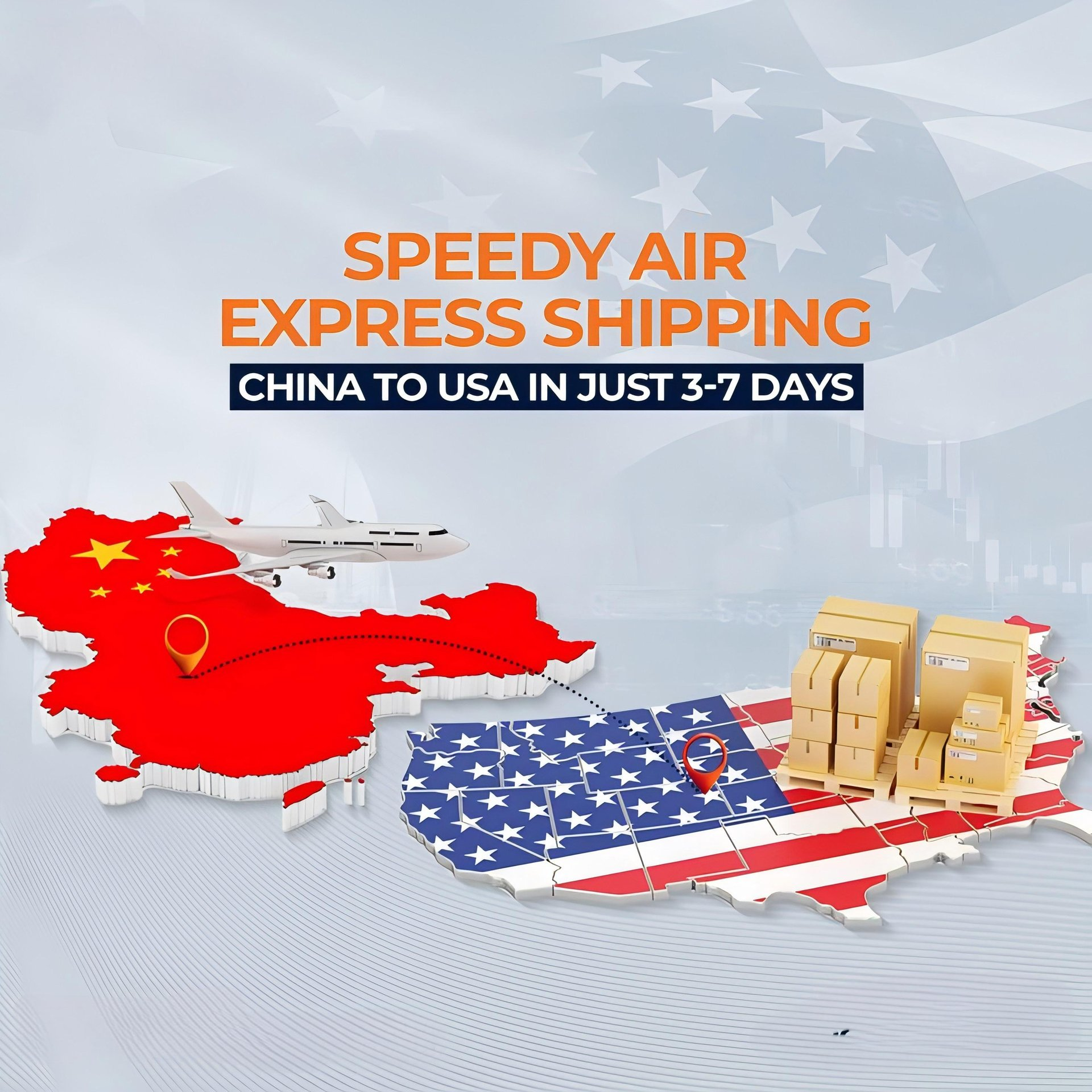
When time is the most critical factor, air freight is the undisputed leader. It significantly reduces transit times from weeks to just a few days.
Consequently, this method is perfect for high-value electronics, fashion items, or critical industrial components. While the freight rates are higher, the reduction in inventory holding costs often justifies the expense.
Furthermore, air shipping offers the highest level of security and the lowest risk of damage. Most DDP air shipments arrive at Frankfurt (FRA) or Munich (MUC) airports before being dispatched for final delivery.
Indeed, for businesses managing tight deadlines, the speed of air cargo is an invaluable tool in their logistics strategy.
Rail Freight: The Middle Ground Solution
The Iron Silk Road has revolutionized logistics between Asia and Europe. Rail freight offers a perfect balance between the speed of air and the low cost of sea transport.
Specifically, trains departing from Chengdu, Xi’an, or Zhengzhou arrive in Duisburg or Hamburg within approximately 20 days. This makes it an excellent alternative for seasonal goods that need to arrive faster than a ship allows.
Additionally, rail transport is more environmentally friendly than air freight. Many German companies now prioritize rail to reduce their carbon footprint while maintaining a competitive delivery schedule.
To summarize, rail DDP is a robust option that has stabilized significantly in early 2026, offering reliable transit times for various cargo types.
Which Shipping Option Should You Choose?
Selecting the right method depends on your specific business needs, budget, and cargo volume. If your priority is absolute lowest cost and you have a flexible timeline, sea freight is the clear winner.
However, if you are launching a new product and need it in the German market immediately, air freight is the only viable choice. For those seeking a compromise, rail freight provides a strategic middle ground.
Meanwhile, always consider the nature of your goods. Fragile or perishable items may require the speed and smooth handling of air transport, whereas durable bulk goods are best suited for containers.
In addition, for e-commerce entrepreneurs, door to door DDP services are almost always the best choice to ensure a hassle-free import process.
Real-World Case Studies for China to Germany Shipping
Examining actual shipping scenarios helps illustrate the practical application of these logistics strategies. Below are three cases based on market data from early 2026.
Case Study 1: Electronics from Shanghai to Berlin. A tech startup imported 5 CBM of consumer electronics. They chose DDP Sea Freight LCL to minimize costs while ensuring all German VAT was handled by the forwarder. The total landed cost was $1,850, with a door-to-door transit time of 38 days.
Case Study 2: Industrial Parts from Shenzhen to Frankfurt. A manufacturing plant required urgent replacement parts weighing 250kg. They utilized DDP Air Freight to meet a strict production deadline. The shipment arrived in just 6 days, costing $1,625, including all duties and last-mile delivery.
Case Study 3: Furniture from Ningbo to Munich. A retail chain imported a 40HQ container of home decor. By choosing FCL Sea Freight, they achieved a low per-unit shipping cost of approximately $3,800 for the entire container, arriving in 34 days.
Case Study 1: Shanghai to Berlin LCL
Route: Shanghai to Berlin. Cargo: Electronics, 5 CBM, 1200kg. Service: DDP Sea Freight LCL. Ocean Freight: $950. Customs and Duties: $650. Total Cost: $1,850. Timeline: 38 days total.
Case Study 2: Shenzhen to Frankfurt Air
Route: Shenzhen to Frankfurt. Cargo: Spare parts, 250kg. Service: DDP Air Freight. Air Freight: $1,400. Local Delivery: $225. Total Cost: $1,625. Timeline: 6 days total.
Understanding 2026 Shipping Costs and Market Trends
As of early 2026, freight rates from China to Europe have stabilized following the disruptions of previous years. However, seasonal fluctuations still play a major role in pricing.
Specifically, rates typically increase by 15-25% during the peak season from August to October. Consequently, booking your shipments at least 2-3 weeks in advance is highly recommended to secure the best rates.
Moreover, the industry is seeing a shift toward more transparent DDP pricing models. Importers now demand all-in rates that include fuel surcharges and currency adjustment factors to avoid budget overruns.
Note: Freight rates are subject to change based on fuel costs, carrier capacity, and seasonal demand. Contact us for a current quote tailored to your specific shipment.
Final Thoughts on Shipping to Germany
In conclusion, mastering china to germany freight forwarding ddp shipping door to door is essential for any business looking to succeed in the German market. By choosing the right transport mode and a reliable partner, you can eliminate the complexities of international trade.
Whether you opt for the economy of sea freight, the speed of air, or the balance of rail, DDP terms provide the peace of mind you need. This all-inclusive approach allows you to focus on growing your business while the logistics experts handle the rest.
As market conditions evolve in 2026, staying informed about transit times and cost-saving strategies will remain a competitive advantage for smart importers.
Ready to streamline your logistics?
Streamline your supply chain today with professional china to germany freight forwarding ddp shipping door to door services. Our team handles every detail from pickup to final delivery, ensuring your goods arrive safely and on time. Contact Global China Forwarder now for a personalized quote and expert logistics advice. Send Inquiry:
Request Quote