

2026 China to Nigeria Freight Forwarder Sea Air Cargo Shipping Service
Finding a reliable china to nigeria freight forwarder sea air cargo shipping service is essential for maintaining a healthy supply chain in 2026. Global China Forwarder offers comprehensive solutions tailored to the unique demands of the West African market. Businesses must navigate complex customs regulations and varying transit times to ensure profitability. This guide explores the most efficient ways to move goods from Chinese manufacturing hubs to Nigerian commercial centers.
How Does Sea Freight Compare to Other Shipping Options?
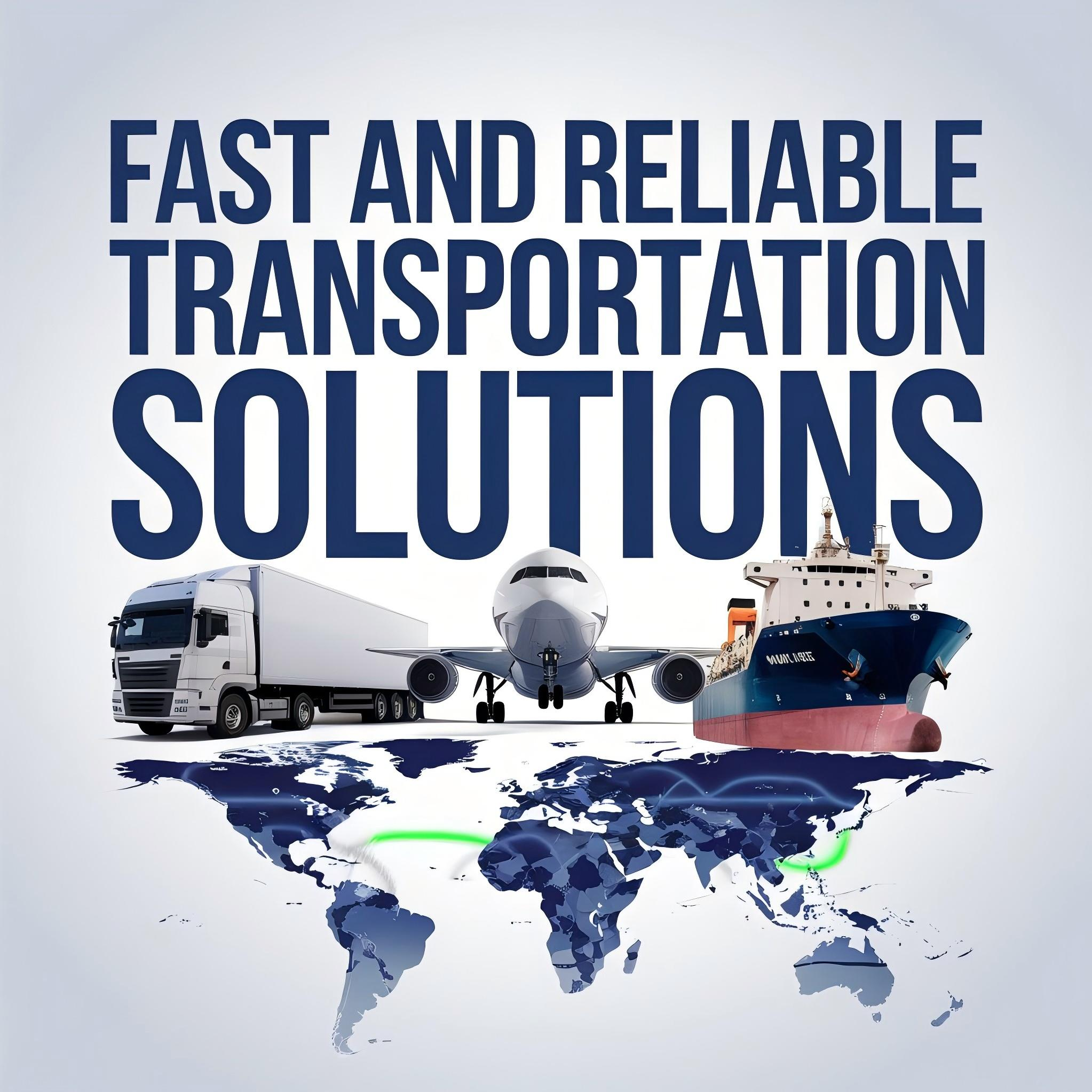
Evaluating different transport modes is the first step in optimizing your logistics strategy. Sea freight remains the backbone of trade between China and Nigeria due to its high capacity and cost-effectiveness for bulk items. However, air freight offers speed that sea transport cannot match, making it ideal for high-value or time-sensitive cargo.

Choosing between these methods depends heavily on your budget and inventory requirements. While sea freight allows for massive volume, it requires significant lead time. Conversely, air cargo ensures your products reach the market in days rather than weeks. Many importers now look toward hybrid solutions to balance costs and speed effectively.
Moreover, the choice between Full Container Load (FCL) and Less than Container Load (LCL) impacts your bottom line. FCL is generally faster and more secure for large orders, whereas LCL provides flexibility for smaller businesses. Understanding these nuances helps in selecting the most appropriate china to nigeria freight forwarder sea air cargo shipping service.
| Shipping Method | Cost Range (2026) | Transit Time | Best For |
|---|---|---|---|
| Sea Freight (FCL) | $3,200 – $4,800 | 35-45 Days | Bulk Goods |
| Sea Freight (LCL) | $180 – $250/CBM | 40-50 Days | Small Batches |
| Air Freight | $6.50 – $9.50/kg | 5-8 Days | High Value |
| Express Service | $12.00 – $18.00/kg | 3-5 Days | Urgent Samples |
Navigating Sea Freight Logistics from China to Nigeria
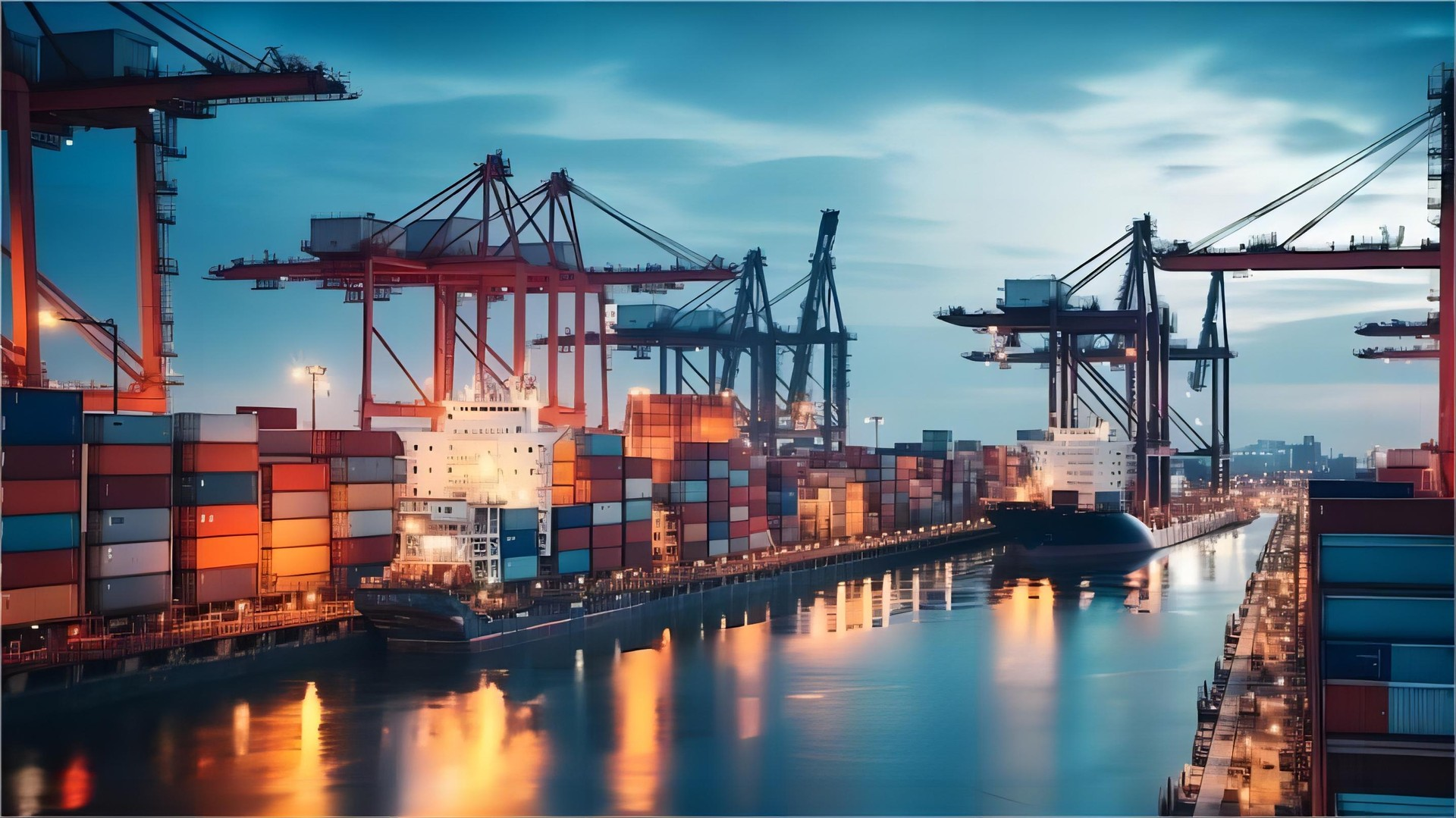
Shipping via the ocean involves several critical stages from the factory to the final destination. Most cargo originates from major ports like Shenzhen, Ningbo, or Shanghai. Consequently, your sea freight provider must coordinate efficiently with local carriers to ensure timely departure.
Transit times to Nigeria are influenced by the choice of port, with Apapa and Tin Can Island in Lagos being the primary entry points. Some vessels may also call at Onne or Port Harcourt depending on the final delivery requirements. Indeed, seasonal weather patterns and port congestion can occasionally extend the estimated arrival dates.
Furthermore, container availability in 2026 has stabilized, allowing for more predictable scheduling. Importers should book their shipments at least two weeks in advance to secure the best rates. Using a professional forwarder ensures that all maritime documentation is handled correctly, minimizing the risk of delays at sea.
Optimizing Air Cargo for Rapid Market Entry
Air transport is the preferred choice for electronics, pharmaceuticals, and fashion items. Utilizing air freight allows businesses to respond quickly to market trends in Lagos and Abuja. Although the cost per kilogram is higher, the reduced holding costs often justify the investment.
Major airlines operate frequent flights from Guangzhou and Hong Kong to Murtala Muhammed International Airport. Therefore, your cargo can be processed and cleared within a fraction of the time required for sea shipments. Additionally, air freight provides a higher level of security for sensitive items, reducing the risk of theft or damage.
Logistics trends in 2026 indicate a rise in dedicated freighter services to West Africa. This increase in capacity has helped moderate prices despite fluctuating fuel surcharges. Choosing a forwarder with strong airline partnerships is key to securing space during peak seasons like the fourth quarter.
What Are the Shipping Costs for Nigeria in 2026?
Budgeting for international trade requires a clear understanding of all associated expenses. Freight rates are influenced by global oil prices, currency fluctuations, and port handling fees. Specifically, the china to nigeria freight forwarder sea air cargo shipping service costs include more than just the base transport rate.
Importers must account for origin charges, terminal handling fees, and insurance. Furthermore, local trucking costs in Nigeria can vary significantly based on the distance from the port to your warehouse. It is advisable to request a comprehensive quote that covers all charges from door to door.
Note: Freight rates are subject to change based on fuel costs, carrier capacity, and seasonal demand. Contact us for a current quote tailored to your specific shipment. Market data suggests that rates typically increase by 15-20 percent during the peak season from August to October.
| Container Type | Average Rate 2026 | Capacity | Typical Cargo |
|---|---|---|---|
| 20GP Container | $3,200 – $3,800 | 28-30 CBM | Heavy Machinery |
| 40GP Container | $4,500 – $5,200 | 56-58 CBM | General Retail |
| 40HQ Container | $4,800 – $5,600 | 68-70 CBM | Light Furniture |
Alternative Strategies for Cost-Effective Shipping
Implementing alternative logistics strategies can lead to significant savings. For instance, some importers utilize transshipment hubs in the Middle East to lower their ocean freight costs. While this adds a few days to the transit time, the financial benefits can be substantial for non-urgent cargo.
Another effective approach is consolidating multiple small orders into a single LCL shipment. This allows you to share container space and costs with other importers. Additionally, utilizing express service for documentation and small samples ensures that your main shipment is never delayed by missing paperwork.
Hybrid sea-air solutions are also gaining traction for those who need a middle ground. Goods are shipped by sea to a hub like Dubai and then flown to Nigeria for the final leg. This strategy offers a balanced transit time of approximately 15-20 days at a much lower cost than pure air freight.
Which Option Should You Choose for Your Cargo?
Deciding on the right shipping method requires a careful analysis of your specific needs. If your priority is budget and you are moving large volumes, sea freight is the clear winner. Conversely, if you are launching a new product and need it in stores immediately, air freight is the necessary choice.
Cargo type also plays a major role in the decision-making process. Perishable goods or high-tech equipment require the speed and controlled environment of air transport. Meanwhile, raw materials and construction equipment are best suited for the heavy-lift capabilities of ocean vessels.
Volume thresholds often dictate when to switch between methods. For shipments under 100kg, express couriers are usually most economical. Once you exceed 500kg, traditional air freight becomes more cost-effective. For anything over 15 CBM, a full 20ft container is often the most logical financial decision.

Real-World Case Studies for China-Nigeria Logistics
Case Study 1: Electronics Shipment to Lagos. Route: Shenzhen, China to Lagos, Nigeria. Cargo: Mobile phone accessories, 18 CBM, 4500 kg. Container: LCL 18 CBM. Shipping Details: Carrier: Major Carrier; Port of Loading: Shenzhen; Port of Discharge: Apapa, Lagos; Route Type: Direct. Cost Breakdown: Ocean Freight: $1,620; Origin Charges: $250; Destination Charges: $400; Customs & Duties: $1,200; Total Landed Cost: $3,470. Timeline: Booking to Loading: 4 days; Sea Transit: 32 days; Customs Clearance: 5 days; Total Door-to-Door: 41 days. Key Insight: Consolidation saved the client 30 percent compared to air freight.
Case Study 2: Fast Fashion Air Freight. Route: Guangzhou, China to Abuja, Nigeria. Cargo: Seasonal clothing, 1200 kg. Shipping Method: Air Freight. Shipping Details: Carrier: Major Airline; Port of Loading: Guangzhou Baiyun; Port of Discharge: Abuja International; Route Type: Transshipment via Addis Ababa. Cost Breakdown: Air Freight: $9,600; Origin Charges: $150; Destination Charges: $300; Customs & Duties: $2,100; Total Landed Cost: $12,150. Timeline: Booking to Loading: 2 days; Air Transit: 3 days; Customs Clearance: 2 days; Total Door-to-Door: 7 days. Key Insight: Speed allowed the client to capture the peak holiday market successfully.
Case Study 3: Industrial Machinery FCL. Route: Shanghai, China to Port Harcourt, Nigeria. Cargo: Manufacturing equipment, 1 x 40HQ. Shipping Details: Carrier: COSCO; Port of Loading: Shanghai; Port of Discharge: Onne Port; Route Type: Direct. Cost Breakdown: Ocean Freight: $5,100; Origin Charges: $350; Destination Charges: $600; Customs & Duties: $4,500; Total Landed Cost: $10,550. Timeline: Booking to Loading: 6 days; Sea Transit: 38 days; Customs Clearance: 7 days; Total Door-to-Door: 51 days. Key Insight: Direct routing to Onne avoided the congestion often found in Lagos ports.
Understanding Customs and Documentation in Nigeria
Successful importation requires strict adherence to Nigerian customs regulations. Every shipment must be accompanied by a Form M, which is a mandatory document for all imports into the country. Consequently, engaging a professional customs brokerage service is vital for avoiding costly penalties.
Documentation requirements include the Bill of Lading, Commercial Invoice, Packing List, and SONCAP certificate. Specifically, the Standards Organisation of Nigeria Conformity Assessment Program (SONCAP) ensures that products meet quality standards. Failure to provide these documents will lead to significant delays and demurrage charges at the port.
Import duties in Nigeria are calculated based on the CIF (Cost, Insurance, and Freight) value of the goods. Rates vary depending on the HS Code of the product, ranging from 5 percent to 35 percent. Therefore, accurate classification of your goods is essential for precise financial planning and compliance.
The Benefits of Door to Door Shipping Services
Many modern businesses prefer a seamless logistics experience from the factory floor to the final warehouse. Opting for door to door service simplifies the entire process by consolidating all steps under one provider. This approach reduces the administrative burden on the importer and provides better visibility.
Track and trace technology has become a standard feature in 2026, allowing you to monitor your cargo in real-time. Whether your goods are on a ship in the Atlantic or a truck in Ogun State, you will always know their status. Furthermore, door-to-door providers often handle the final mile delivery, ensuring that goods arrive safely at your doorstep.
Indeed, this service model is particularly beneficial for e-commerce sellers and small businesses. It eliminates the need to coordinate with multiple agents, truckers, and customs officials. By choosing an all-inclusive china to nigeria freight forwarder sea air cargo shipping service, you can focus on growing your business while the experts handle the logistics.
Mastering Your China to Nigeria Logistics Strategy
Navigating the complexities of international trade requires a strategic approach to shipping and logistics. By understanding the differences between sea and air freight, you can make informed decisions that protect your margins. Utilizing a professional china to nigeria freight forwarder sea air cargo shipping service ensures that your goods are handled with care and delivered on time.
As market conditions evolve in 2026, staying updated on customs regulations and freight trends remains crucial. Whether you choose the speed of air cargo or the volume of sea containers, the right partnership is the key to success. Start optimizing your routes today to stay ahead of the competition in the vibrant Nigerian market.
Need a tailored shipping solution?
Streamline your supply chain today with our professional china to nigeria freight forwarder sea air cargo shipping service. Contact Global China Forwarder to receive a customized quote and expert guidance on your next shipment. Send Inquiry now to secure the best 2026 rates and reliable transit times for your cargo.