

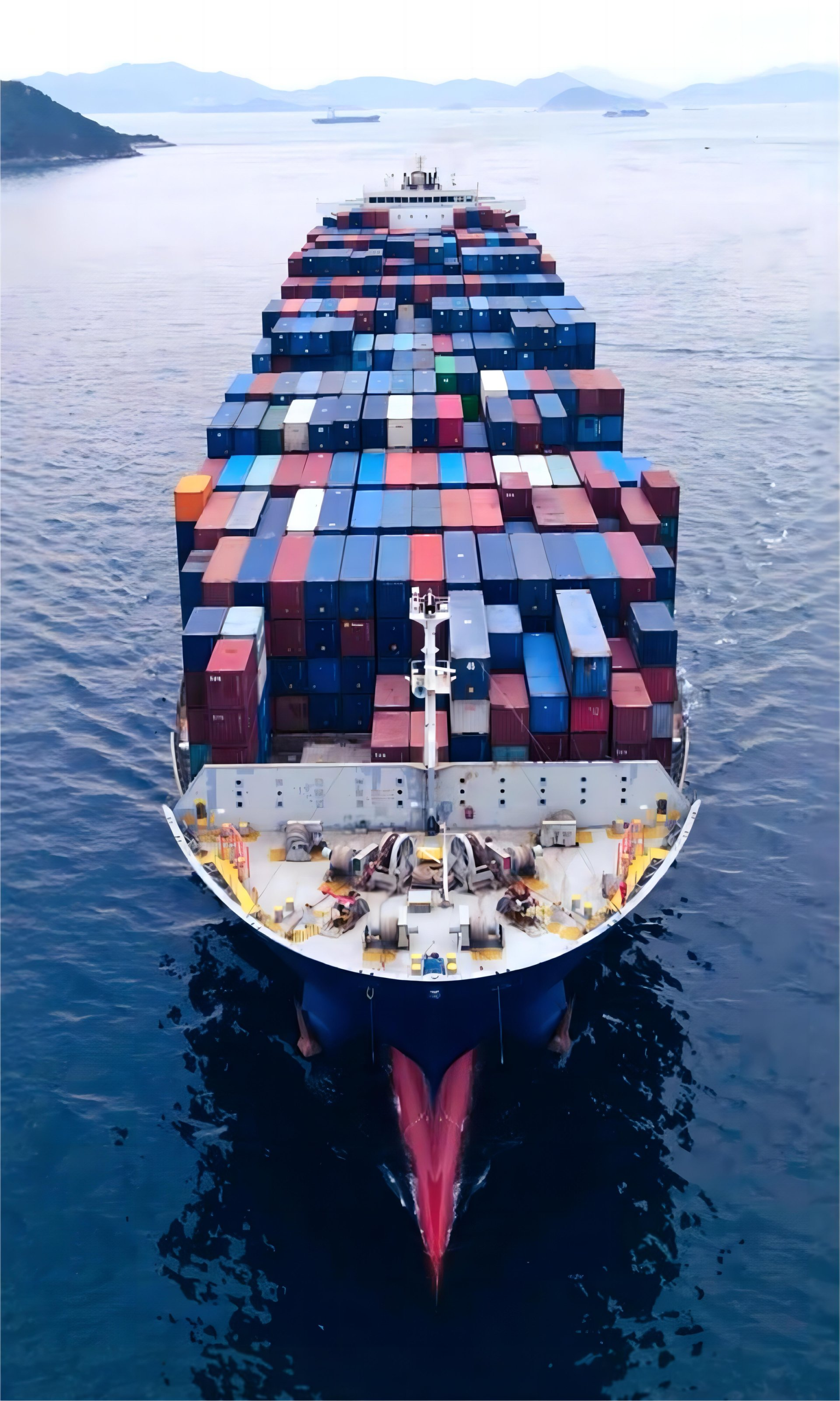
Top China to Australia Sea Freight Container Shipping Logistics Company 2026
Successfully navigating the complexities of international trade requires a reliable Global China Forwarder to ensure your goods arrive safely and on time. Finding a dedicated china to australia sea freight container shipping logistics company is the most critical step for businesses looking to scale their operations in 2026. This comprehensive guide explores the nuances of ocean transport, cost-saving strategies, and customs compliance for the Australian market.
✦
Why Choose a Specialized China to Australia Sea Freight Container Shipping Logistics Company?
Specialized logistics providers offer tailored solutions that standard carriers often overlook during the shipping process. Consequently, these companies understand the specific regulatory environment of the Australian Border Force and the Department of Agriculture, Fisheries and Forestry.
Furthermore, a dedicated china to australia sea freight container shipping logistics company provides better visibility into the supply chain. This transparency allows importers to track their cargo from the factory floor in Shenzhen to the warehouse in Melbourne without unnecessary stress.
Choosing an expert partner ensures that your documentation remains accurate and compliant with current 2026 trade agreements. Specifically, correct paperwork prevents costly delays at the port of entry and minimizes the risk of additional storage fees.
Moreover, the expertise of a focused forwarder translates into better negotiation power with major shipping lines. As a result, businesses often receive more competitive 20ft container shipping rates 2026 compared to booking directly with carriers.
Understanding Container Shipping Methods: FCL vs LCL
Deciding between Full Container Load (FCL) and Less than Container Load (LCL) depends heavily on your shipment volume and budget. Businesses often prefer sea freight because it offers the most economical balance for large-scale inventory replenishment.
Full Container Load shipping involves renting an entire 20ft or 40ft container for your exclusive use. Therefore, this method is ideal for bulk cargo logistics Australia where the volume exceeds 15 cubic meters.
In contrast, Less than Container Load services allow multiple shippers to share space within a single container. This approach is perfect for smaller businesses that need to transport only a few pallets while keeping shipping costs from China to Australia manageable.
Meanwhile, handling fees for LCL can sometimes be higher per unit because of the consolidation and deconsolidation processes involved. Nevertheless, it remains the go-to option for e-commerce startups and small-scale importers.
| Feature | FCL (Full Container) | LCL (Partial Container) | Best For |
|---|---|---|---|
| Volume | Over 15 CBM | 1 to 15 CBM | Inventory Bulk |
| Cost Basis | Flat rate per unit | Rate per CBM | Small Pallets |
| Security | High (Sealed) | Moderate (Shared) | Fragile Goods |
| Transit Time | Faster (Direct) | Slower (Sorting) | Budget Focus |
How Does Sea Freight Compare to Other Shipping Options?
Evaluating different transport modes is essential for optimizing your logistics budget and meeting customer expectations. While sea freight is the most cost-effective, other methods like air freight provide speed for time-sensitive cargo.
Currently, sea freight transit times from major Chinese ports to Australia range between 12 and 25 days. Additionally, the cost per kilogram is significantly lower than air transport, making it the preferred choice for heavy machinery and furniture.
On the other hand, air freight remains the fastest option for urgent electronics or high-value fashion items. However, the environmental impact and high fuel surcharges in 2026 make it less sustainable for consistent bulk shipping.
Hybrid solutions, such as sea-air combinations, are becoming more popular for businesses looking to balance cost and speed. Specifically, these models utilize sea transport to a hub like Singapore before flying the goods to the final destination.
| Shipping Method | Cost Range (USD) | Transit Time | Limitations |
|---|---|---|---|
| Sea Freight (FCL) | $1,200 – $2,200 | 14-22 Days | Port Congestion |
| Sea Freight (LCL) | $60 – $110 /CBM | 18-28 Days | Higher Handling |
| Air Freight | $4.50 – $8.00 /kg | 4-7 Days | Weight Limits |
| Express Service | $8.00 – $13.00 /kg | 2-5 Days | High Cost |

How a China to Australia Sea Freight Container Shipping Logistics Company Manages Your Cargo
Managing the end-to-end process requires a sophisticated customs brokerage team to handle legal requirements. Professional logistics companies oversee everything from the initial booking to the final delivery at your door.
Efficiency in cargo handling starts at the origin port where items are inspected and loaded securely. Subsequently, the logistics provider coordinates with ocean carriers to secure space on the most reliable vessels.
During the voyage, advanced tracking systems provide real-time updates to the importer. Consequently, businesses can plan their warehouse labor and marketing campaigns based on accurate arrival estimates.
Upon arrival in Australia, the logistics company manages the biosecurity inspections and duty payments. Indeed, having an expert on the ground prevents the common pitfalls that lead to cargo being held in quarantine.
Strategic Logistics Planning: Which Option Should You Choose?
Selecting the right shipping strategy depends on your specific business goals and the nature of your products. If your priority is budget optimization, choosing a door to door sea freight service is usually the most efficient path.
Volume thresholds play a major role in the decision-making framework for most Australian importers. For example, once your shipment exceeds 13-15 cubic meters, switching from LCL to a 20ft FCL container often results in lower total costs.
Cargo type also dictates the method, as hazardous materials or temperature-sensitive goods require specialized containers. Furthermore, seasonal demand fluctuations in 2026 mean that booking 4-6 weeks in advance is necessary during peak periods.
Reliability should never be sacrificed for the absolute lowest price on the market. Instead, look for a china to australia sea freight container shipping logistics company that offers a balance of competitive rates and proven transit consistency.
Major Shipping Routes and Transit Times in 2026
Shipping routes from China to Australia are among the most active in the Southern Hemisphere. Major ports like Shanghai, Ningbo, and Shenzhen serve as the primary exit points for Australian-bound goods.
Transit times vary based on the specific port of discharge, with Sydney and Brisbane usually receiving cargo faster than Perth. Additionally, direct services are available from South China, which can reduce the journey to as little as 12 days.
Port congestion updates 2026 suggest that while major hubs are efficient, occasional labor shortages can impact schedules. Therefore, maintaining a flexible delivery schedule is advisable for businesses with tight inventory cycles.
Weather patterns also influence sea freight transit times, particularly during the cyclone season in the Pacific. Nevertheless, modern vessel routing technology has significantly improved the predictability of ocean voyages.
| Origin Port | Destination Port | Average Days | Service Type |
|---|---|---|---|
| Shenzhen | Sydney | 12-15 Days | Direct |
| Shanghai | Melbourne | 16-19 Days | Direct |
| Ningbo | Brisbane | 15-18 Days | Direct |
| Qingdao | Fremantle | 20-24 Days | Transshipment |
Real-World Logistics Case Studies
Examining real-world scenarios helps importers understand the actual costs and timelines involved in modern logistics. These cases reflect the market conditions of early 2026 and provide a benchmark for your own shipping estimates.
Case Study 1: Electronics Distribution. Route: Shenzhen to Sydney. Cargo: Consumer Electronics, 68 CBM. Container: 40HQ. Shipping Details: Direct service via COSCO. Cost: $2,250 (Ocean) + $450 (Origin) + $600 (Dest). Timeline: 18 days door-to-door. Key Insight: Early booking secured rates before the Q3 peak season.
Case Study 2: Furniture Import. Route: Ningbo to Melbourne. Cargo: Home Furniture, 12 CBM. Container: LCL. Shipping Details: Transshipment via Singapore. Cost: $1,350 Total Landed Cost. Timeline: 25 days door-to-door. Key Insight: Utilizing LCL saved the client $900 compared to a half-empty 20ft container.
Case Study 3: E-commerce Fulfillment. Route: Guangzhou to Brisbane. Cargo: Apparel, 5 CBM. Container: LCL. Shipping Details: Amazon FBA dedicated line. Cost: $850 Total. Timeline: 22 days. Key Insight: Palletization at the origin ensured faster processing at the Australian fulfillment center.
Why Your China to Australia Sea Freight Container Shipping Logistics Company Matters for Compliance
Compliance with Australian import duties and taxes is a complex task that requires constant vigilance. A professional china to australia sea freight container shipping logistics company ensures that your goods are classified correctly under the Harmonized System (HS) codes.
Incorrect classification can lead to overpaying duties or, worse, facing heavy fines from the authorities. Additionally, certain products require specific permits or treatments, such as fumigation for timber products to meet biosecurity standards.
Marine insurance for sea freight is another critical component that your logistics partner should facilitate. Specifically, this protects your financial interest in the event of maritime accidents or cargo damage during rough seas.
Ultimately, a reliable partner acts as your advocate in the complex world of international shipping. Consequently, you can focus on growing your business while the logistics experts handle the technical details of the move.
Final Thoughts on Australian Sea Freight Logistics
To summarize, choosing the right china to australia sea freight container shipping logistics company is the foundation of a successful import business. By understanding the differences between FCL and LCL, and staying informed about 2026 market trends, you can make data-driven decisions that improve your bottom line.
Reliability, transparency, and compliance remain the three pillars of modern ocean transport. As global trade continues to evolve, partnering with a forwarder that understands the specific needs of the Australian market will provide a significant competitive advantage.
Note: Freight rates are subject to change based on fuel costs, carrier capacity, and seasonal demand. Contact us for a current quote tailored to your specific shipment.