
China to France Freight Forwarding DDP Shipping Logistics Company: 2026 Guide
Navigating international trade requires a dependable China to France freight forwarding DDP shipping logistics company to manage complex customs and transport routes. Global trade landscapes in 2026 demand efficiency, and Global China Forwarder provides the comprehensive expertise needed to move goods seamlessly across borders. Whether you are importing electronics or industrial machinery, choosing the right partner ensures your cargo arrives safely and on time.
What is a China to France Freight Forwarding DDP Shipping Logistics Company?
Delivered Duty Paid (DDP) is an incoterm where the seller assumes all responsibility, risks, and costs associated with transporting goods until the buyer receives them at the destination port. This includes paying for shipping costs, export and import duties, insurance, and any other expenses incurred during transport to France.
Choosing a specialized logistics provider simplifies the entire procurement cycle for French importers. Consequently, businesses can focus on sales and marketing while the forwarder handles the intricacies of international law and logistics coordination.
Moreover, a professional company manages the entire supply chain from the manufacturer in Shenzhen or Ningbo to the final warehouse in Paris or Lyon. This end-to-end service is particularly beneficial for e-commerce sellers and small businesses that lack in-house logistics departments.
Furthermore, the 2026 market environment requires forwarders to stay updated on the latest European Union tax regulations and environmental standards. A competent partner ensures that your shipments remain compliant with evolving French customs requirements.
How Does Sea Freight Compare to Other Shipping Options?
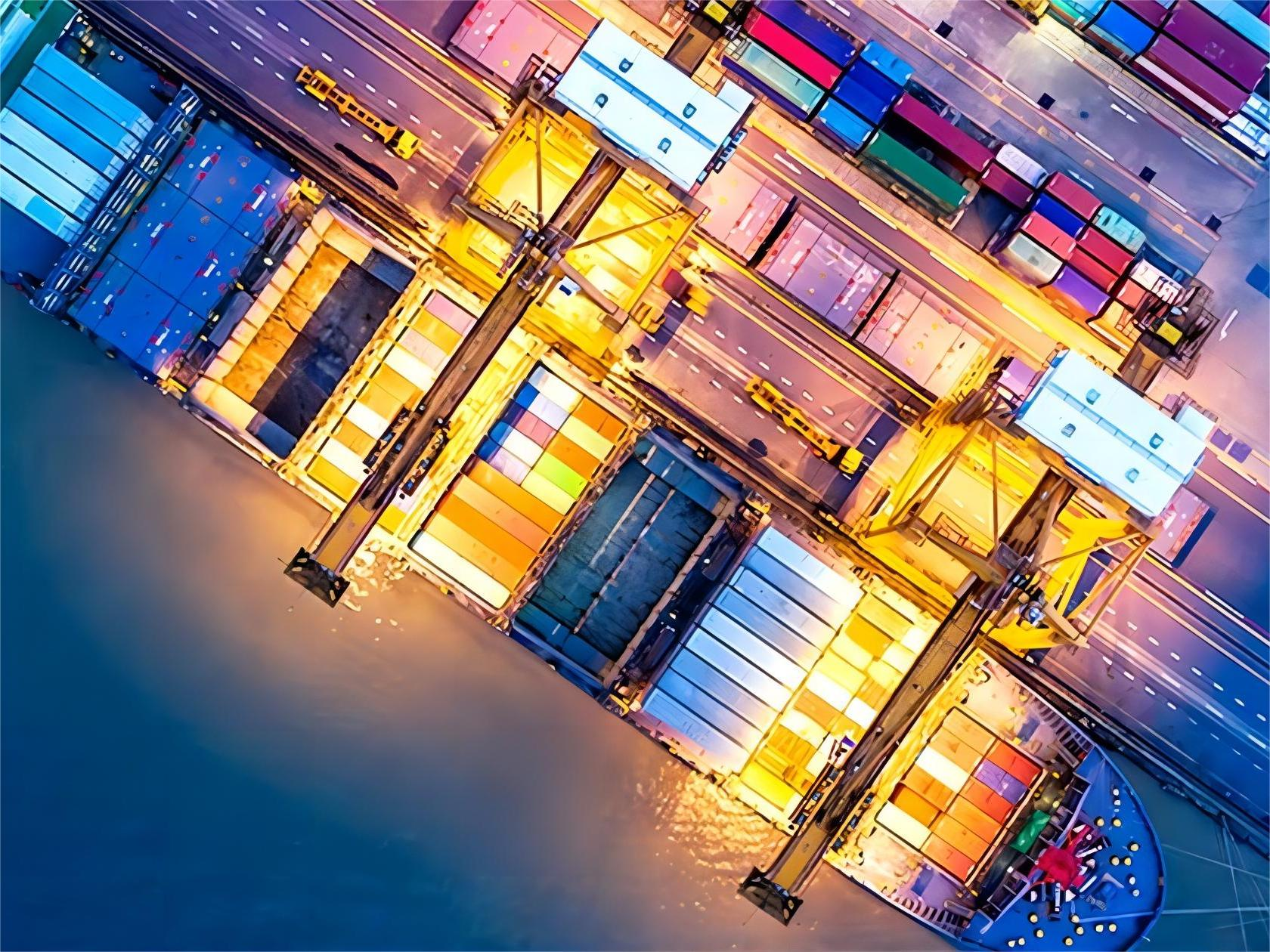
Sea freight remains the backbone of global trade due to its incredible cost-efficiency for large volumes. When comparing ocean transport to air or rail, the primary trade-off is always speed versus budget.
Specifically, while sea freight costs approximately 2,200 to 3,500 USD for a 40HQ container in early 2026, air freight for a similar volume would be prohibitively expensive. However, sea transit takes significantly longer, often requiring 30 to 45 days to reach French ports like Le Havre or Marseille.
Additionally, rail freight offers a middle ground, providing faster transit than the sea but at a lower cost than air. For shipments that are too heavy for planes but too urgent for ships, rail is an excellent alternative strategy.
In contrast, air freight is the premium choice for high-value or perishable goods. While the cost per kilogram is much higher, the transit time of 3 to 7 days is unmatched for urgent replenishment needs.
| Shipping Method | Cost Range (USD) | Transit Time | Best For | Limitations |
|---|---|---|---|---|
| Sea Freight (FCL) | $1,800 – $4,200 | 30-45 Days | Bulk Goods | Slow Speed |
| Air Freight | $5.50 – $9.00/kg | 3-7 Days | High Value | High Cost |
| Rail Freight | $120 – $180/CBM | 18-24 Days | Mid-size Cargo | Route Limits |
| Express | $8.00 – $12.00/kg | 2-5 Days | Samples/Docs | Very Expensive |
Why DDP is the Preferred Choice for French Importers
Importing into France involves navigating the Value Added Tax (VAT) and various European customs duties. Using a door to door DDP service removes the burden of these calculations from the importer.
Actually, the logistics provider calculates all taxes upfront, providing a single, all-inclusive quote. This transparency prevents unexpected costs at the border, which can often lead to shipment delays or storage fees.
Consequently, the risk of cargo being held by French customs is significantly reduced. Experienced forwarders ensure all paperwork is perfectly aligned with the Harmonized System (HS) codes and local regulations.
Indeed, many modern businesses prefer this hassle-free approach. It allows for better financial planning and ensures that the landed cost of goods is known before the shipment even leaves China.
Evaluating Sea Freight Solutions for Large Shipments
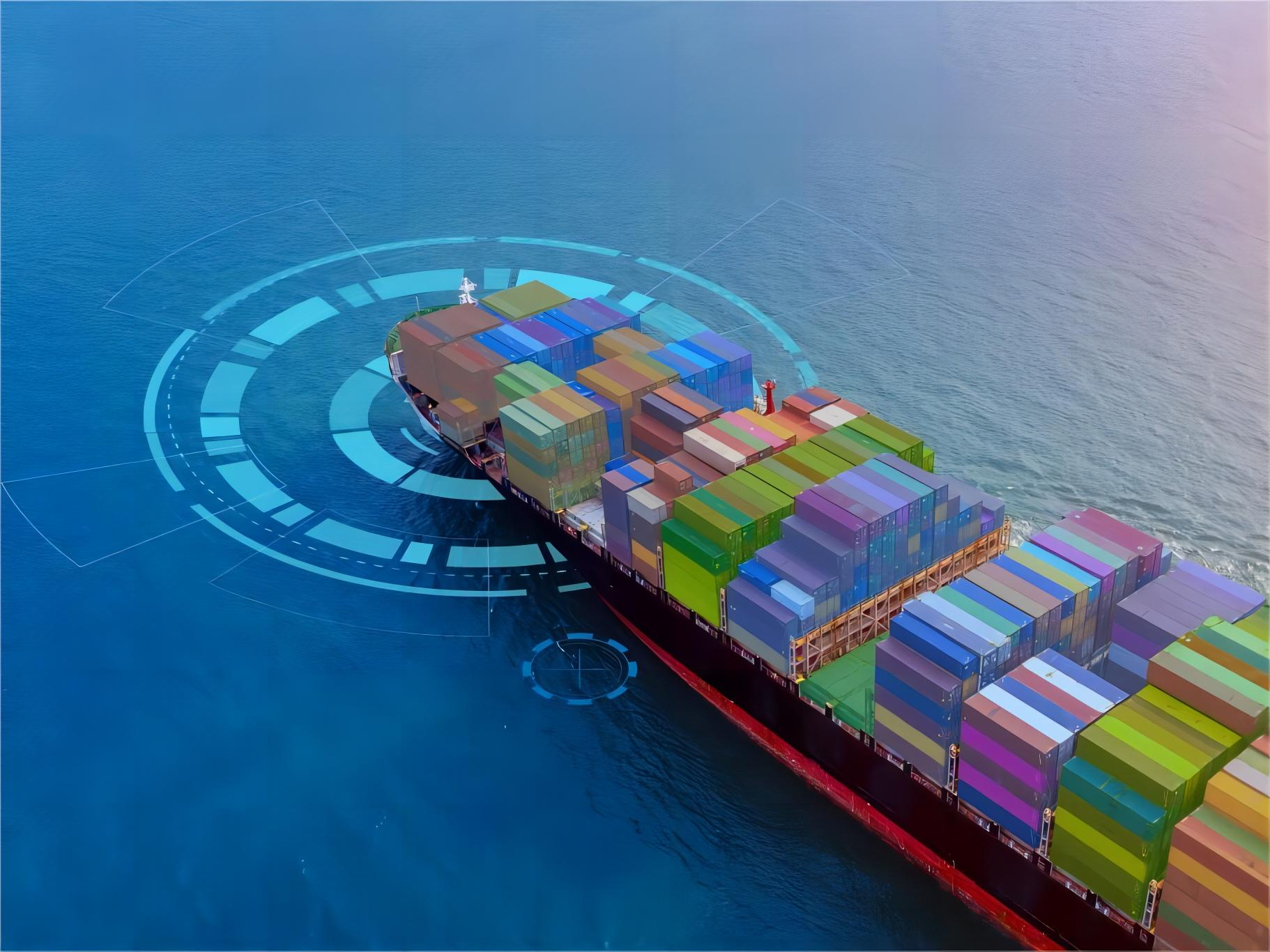
For businesses moving significant inventory, sea freight is the most sustainable and economical choice. In 2026, we see a trend towards larger vessels and optimized port handling in both Shanghai and Le Havre.
Full Container Load (FCL) provides the best security and price for shipments exceeding 15 cubic meters. Meanwhile, Less than Container Load (LCL) allows smaller businesses to share container space, making international trade accessible to everyone.
Furthermore, ocean carriers have improved their tracking technologies, allowing importers to monitor their cargo’s progress across the Indian Ocean and through the Suez Canal. This visibility is crucial for managing inventory levels in French warehouses.
Nevertheless, sea freight is subject to seasonal fluctuations. Rates typically increase by 15-25% during the August to October peak season as retailers prepare for the winter holidays.
| Container Type | Capacity (CBM) | Max Weight (kg) | Typical Use |
|---|---|---|---|
| 20GP Container | 28-30 CBM | 21,000 kg | Heavy Machinery |
| 40GP Container | 56-58 CBM | 26,000 kg | General Cargo |
| 40HQ Container | 68-70 CBM | 26,000 kg | Light/Bulky Goods |
The Speed of Air Freight for Urgent Cargo
When time is of the essence, air freight offers the fastest connection between Chinese manufacturing hubs and French markets. High-demand electronics, fashion samples, and medical supplies frequently utilize this mode.
Logistics providers typically offer two levels of service: economy and priority air cargo. Priority services ensure your goods are on the next available flight, often reaching Charles de Gaulle Airport in as little as 48 hours.
Additionally, the 2026 air cargo market has benefited from increased belly capacity in passenger planes. This has helped stabilize rates compared to the volatile fluctuations seen in previous years.
However, importers must be mindful of chargeable weight versus actual weight. Airlines charge based on whichever is greater, so efficient packaging is essential to keep costs under control.
Rail Freight: The Strategic Middle Ground
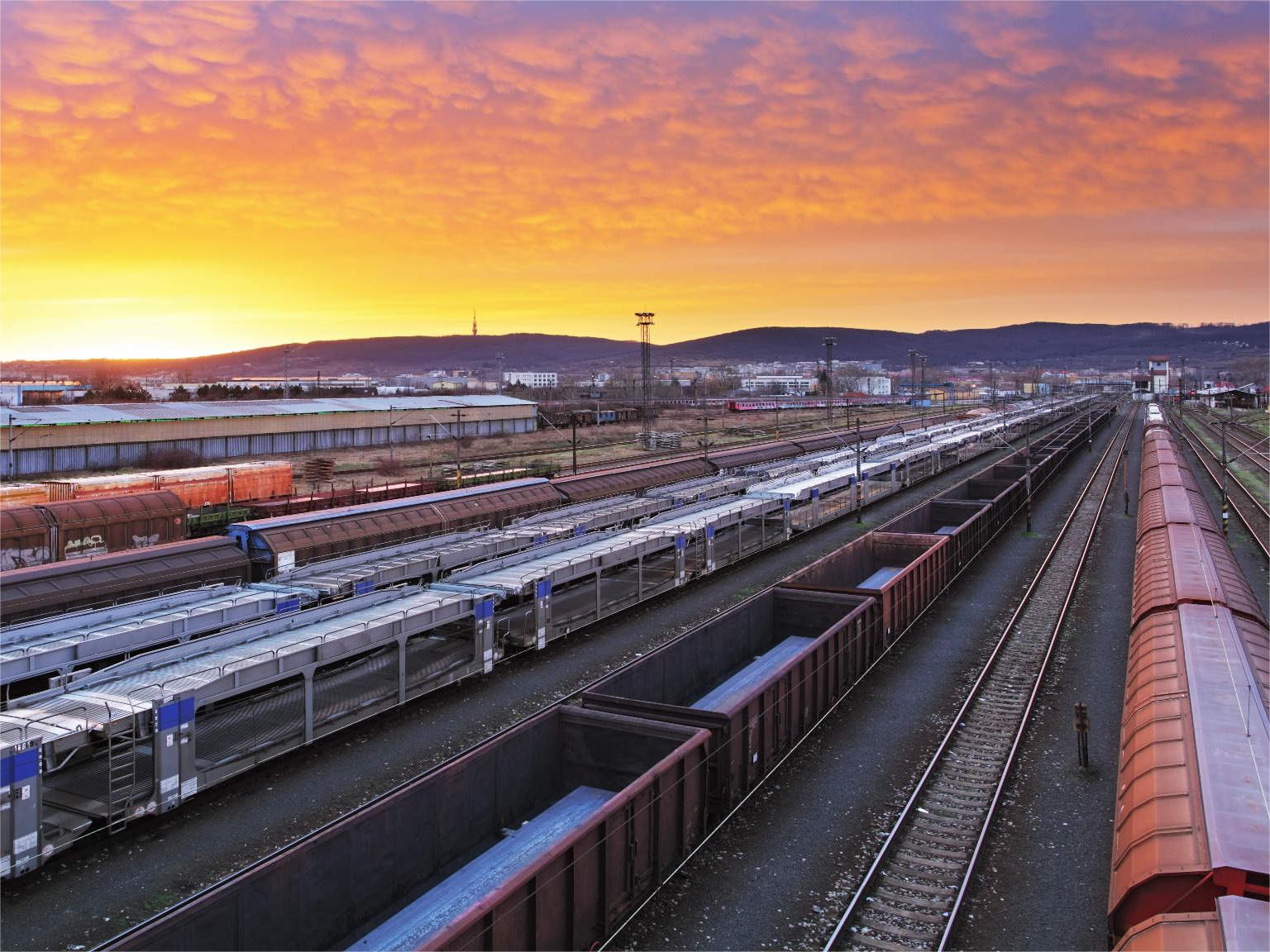
The New Silk Road has revolutionized logistics by offering rail freight as a viable alternative to sea and air. Trains departing from Xi’an or Chengdu can reach terminals in France or Germany in roughly three weeks.
Specifically, rail is about 50% faster than sea freight and roughly 60% cheaper than air freight. This makes it an ideal solution for automotive parts and industrial components that require a balance of speed and cost.
Moreover, rail transport is considered more environmentally friendly than air freight. Many European companies are choosing rail to meet their corporate sustainability goals without sacrificing too much transit time.
Consequently, the infrastructure for rail logistics has expanded significantly. Modern terminals now offer seamless transshipment to trucks for the final leg of the DDP journey.
Logistics for E-commerce and Amazon FBA France
Selling on international platforms requires specialized Amazon FBA logistics services. A China to France freight forwarding DDP shipping logistics company must understand the strict labeling and palletization requirements of Amazon fulfillment centers.
Usually, the forwarder handles the inspection, labeling, and prep work in China before shipping. This ensures that the goods are accepted immediately upon arrival at the French warehouse, preventing costly rejections.
Furthermore, DDP shipping is vital for FBA sellers because Amazon will not act as the Importer of Record. The logistics company must handle all tax payments to ensure the shipment is delivered ‘free and clear’ to the Amazon dock.
As a result, sellers can maintain high inventory health scores and avoid stockouts during critical sales periods like Prime Day or Black Friday.
Real-World Case Studies of China to France Shipments
Reviewing actual shipping scenarios helps businesses understand the practical applications of different logistics methods. Below are three representative cases from early 2026.
Case Study 1: High-End Electronics. A Shenzhen manufacturer shipped 500kg of tablets to Paris. By using air freight, the total door-to-door time was 5 days, with a total cost of $4,250 including all duties. This allowed the client to meet a product launch deadline.
Case Study 2: Home Furniture. A retailer in Marseille ordered a 40HQ container of garden furniture from Ningbo. Sea freight was the chosen method, costing $3,800 for freight plus $1,200 in local charges. The transit took 38 days, fitting the client’s seasonal inventory schedule perfectly.
Case Study 3: Industrial Components. A factory in Lyon required 5 CBM of spare parts from Wuhan. Rail freight LCL was utilized, costing $950 and taking 22 days. This hybrid approach saved the client $2,000 compared to air freight while arriving two weeks faster than sea freight.
Customs Documentation and Compliance for 2026
Successful import operations depend on meticulous documentation. French customs authorities require specific forms to verify the origin, value, and safety of incoming goods.
Indeed, errors in a Commercial Invoice or Packing List can lead to significant delays and fines. A professional forwarder double-checks every document against the physical cargo to ensure total accuracy.
Furthermore, certain products like electronics or toys require CE marking and specific certificates of conformity. Your logistics partner should advise you on these requirements well before the cargo reaches the port.
Consequently, having a clear checklist helps streamline the process. The following table outlines the essential documents needed for most China to France shipments.
| Document Name | Purpose | Required By | Responsibility |
|---|---|---|---|
| Commercial Invoice | Value Declaration | Customs | Supplier |
| Packing List | Cargo Details | Carrier/Customs | Supplier |
| Bill of Lading | Title of Goods | Carrier | Forwarder |
| Certificate of Origin | Duty Calculation | Customs | Supplier |
Which Option Should You Choose? Decision Framework
Selecting the right shipping method depends on your specific business priorities. If your primary goal is cost reduction and you have a flexible timeline, sea freight is the undisputed winner for large volumes.
However, if you are dealing with high-value goods or tight deadlines, air freight is necessary despite the higher expense. For those seeking a balance, rail freight provides a competitive alternative that is increasingly popular in 2026.
Budget priority: Choose Sea Freight (LCL or FCL). Speed priority: Choose Air Freight or Express. Volume thresholds: For anything under 100kg, consider Express; for 100kg-500kg, Air Freight; for over 500kg or 2 CBM, Rail or Sea.
Ultimately, consulting with a China to France freight forwarding DDP shipping logistics company will provide the most accurate assessment based on current market conditions and your specific cargo needs.
Summary of China to France Logistics Solutions
In conclusion, finding the right China to France freight forwarding DDP shipping logistics company is the most critical step in ensuring a successful import business. By understanding the differences between sea, air, and rail freight, you can make informed decisions that optimize both your budget and your delivery schedule.
As market conditions in 2026 continue to evolve, staying flexible and working with an experienced partner will help you navigate the complexities of international trade. Whether you need a simple LCL shipment or a complex FCL door-to-door solution, professional logistics support is the key to your business growth in the European market.
Need a tailored shipping solution?
Ready to streamline your supply chain and reduce shipping headaches? Partner with a premier China to France freight forwarding DDP shipping logistics company today for reliable, cost-effective, and transparent delivery solutions. Contact us now to receive a customized quote tailored to your 2026 shipping requirements. Send Inquiry: