

China Sea Freight FCL LCL Shipping Company International Logistics 2026
Managing global trade in 2026 requires a sophisticated approach to supply chain management and reliable transportation partners. Selecting a premier china sea freight fcl lcl shipping company international logistics provider ensures your cargo reaches its destination efficiently and cost-effectively. Whether you are moving bulk commodities or small retail batches, understanding the nuances of ocean transport is essential for maintaining a competitive edge in the modern market. This comprehensive guide explores the best strategies for navigating international waters and optimizing your logistics expenditures this year.

Understanding FCL and LCL Shipping Options
Full Container Load or FCL refers to shipments where a single importer uses an entire container exclusively for their goods. This method is typically preferred for large volumes that fill at least 70 percent of a 20GP or 40HQ unit. Consequently, FCL offers better security and faster transit times because the container does not need to be opened for consolidation.
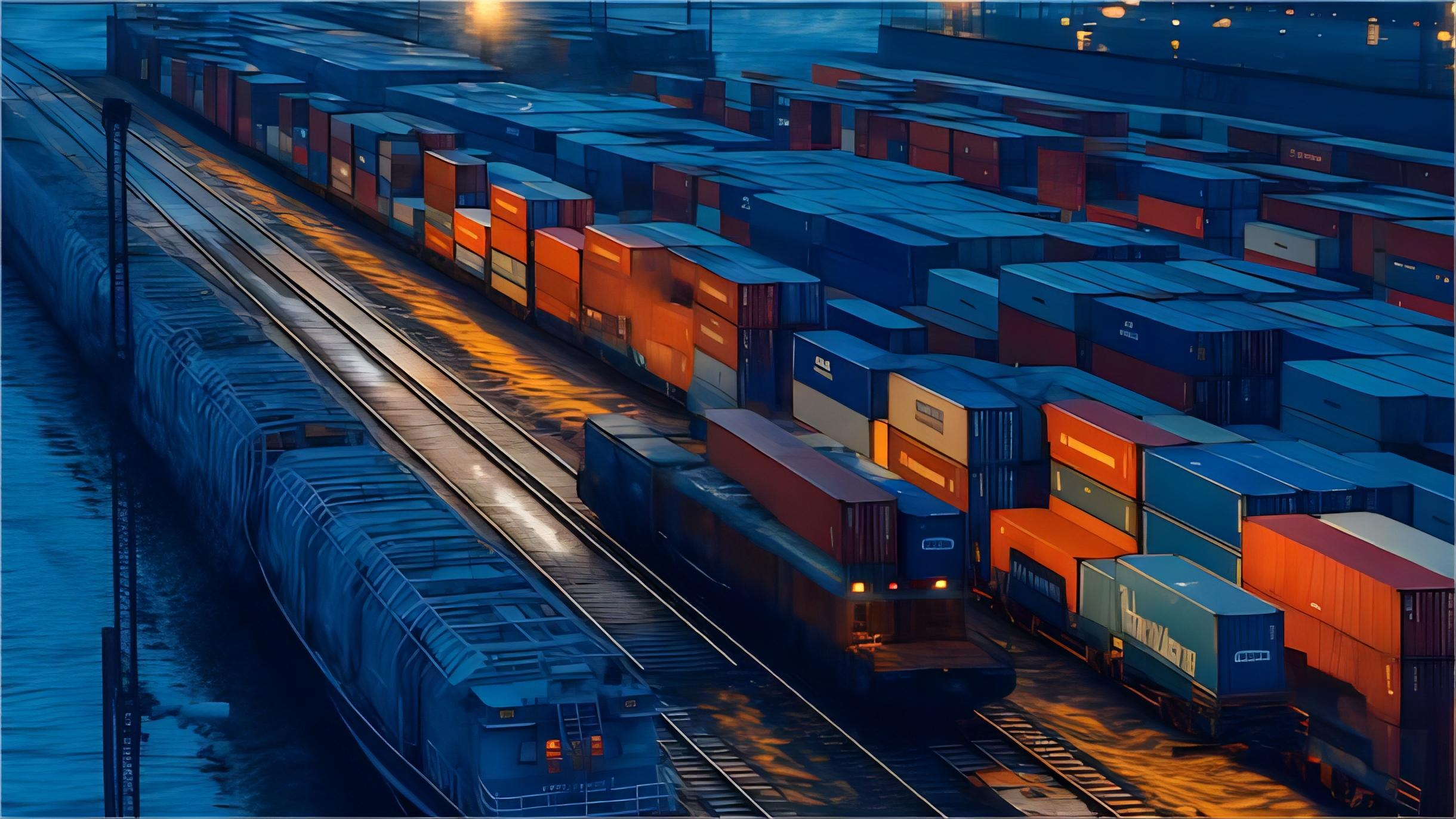
Less than Container Load or LCL involves sharing container space with other shippers to reduce costs for smaller volumes. This approach is ideal for businesses that do not have enough cargo to justify a full container. However, LCL shipments often require more time for consolidation at the port of origin and deconsolidation at the destination.
Choosing between these two methods depends heavily on your total cargo volume and urgency. Furthermore, price fluctuations in 2026 suggest that FCL is often more economical once your shipment exceeds 15 cubic meters. Meanwhile, LCL remains the go-to solution for startups and small-scale importers looking to minimize overhead.
How Does China Sea Freight Compare to Other Shipping Options?
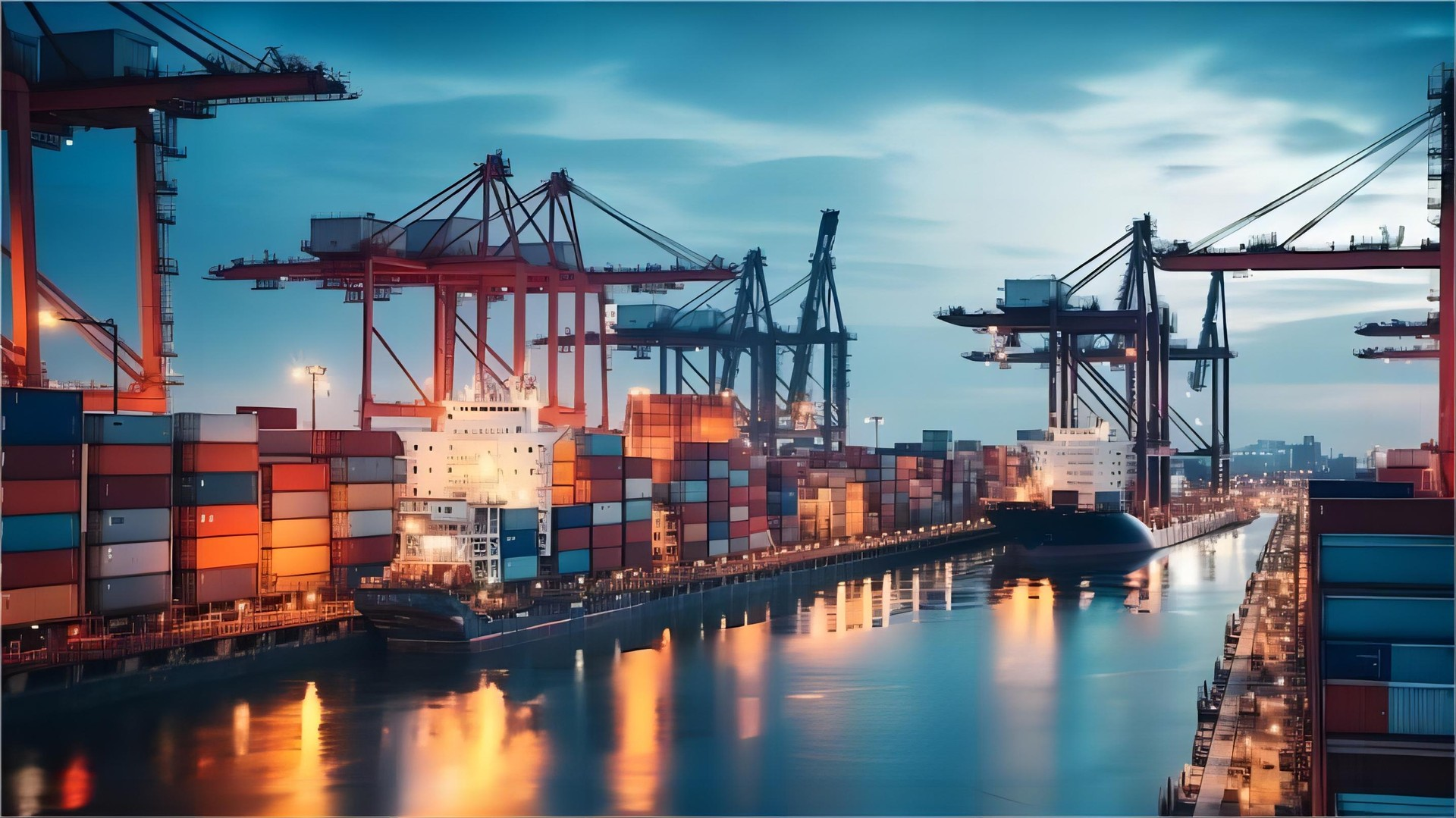
Ocean transport remains the backbone of international trade due to its massive capacity and low cost per unit. In contrast, other methods like air or rail offer specific advantages regarding speed and geographical reach. Understanding these trade-offs is vital for any business utilizing a china sea freight fcl lcl shipping company international logistics partner.
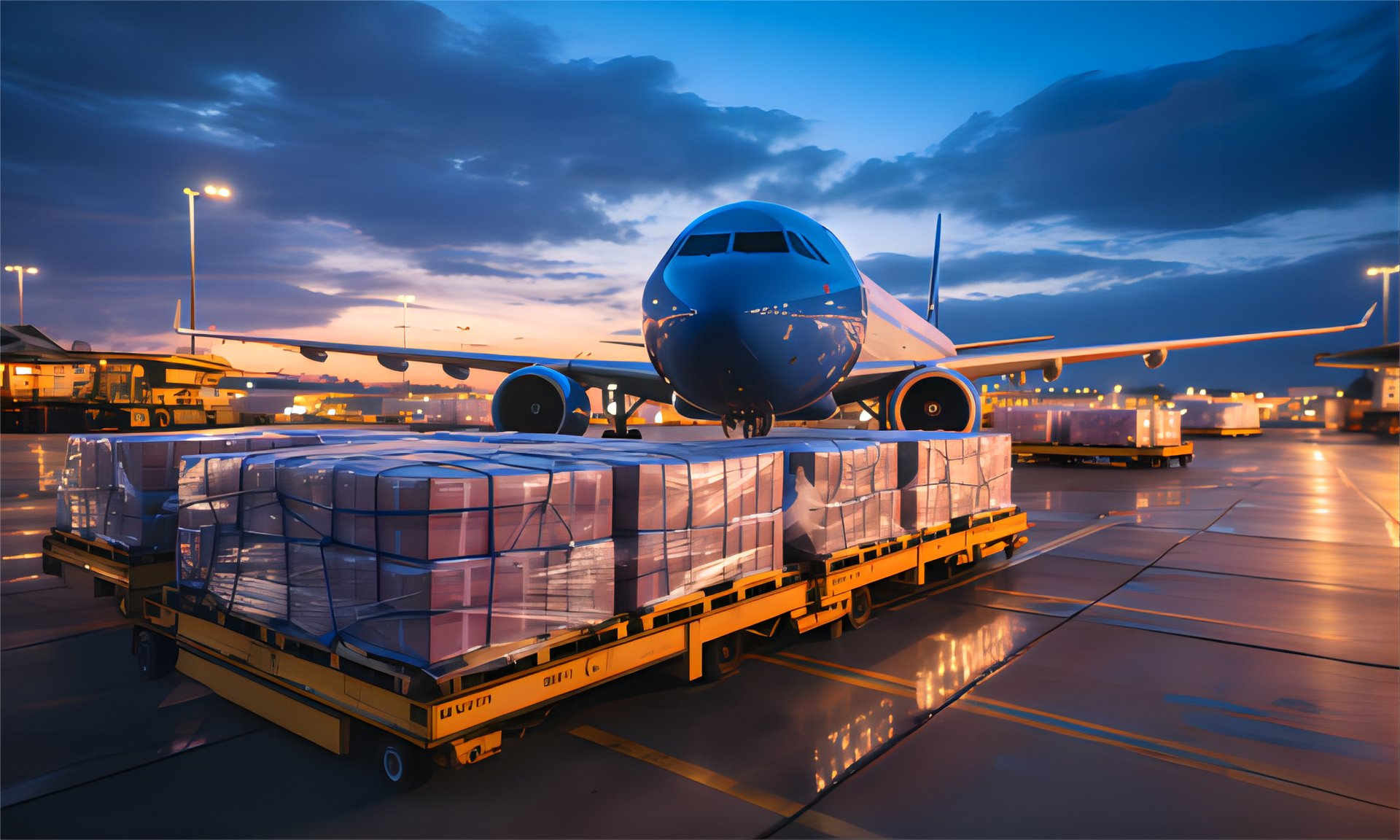
While sea freight costs between 2,000 and 3,500 dollars for a 40HQ container to the US West Coast, air transport for similar volumes would be prohibitively expensive. Indeed, sea freight is roughly 10 to 15 times cheaper than air for heavy or bulky items. Nevertheless, you must account for the 30 to 40 day transit time required for ocean routes.
Hybrid solutions have become increasingly popular in early 2026 as a way to balance cost and speed. For instance, sea-air services allow cargo to travel by ship to a mid-point hub before being flown to the final destination. This strategy can save up to 40 percent in costs compared to pure air freight while cutting transit time by half compared to pure sea freight.
| Shipping Method | Cost Range | Transit Time | Best For |
|---|---|---|---|
| Sea Freight (FCL) | 1,500 – 6,000 USD | 14-45 Days | Bulk/Large Cargo |
| Sea Freight (LCL) | 50 – 150 USD/CBM | 20-50 Days | Small Shipments |
| Air Freight | 4 – 12 USD/kg | 3-7 Days | Urgent/High Value |
| Rail Freight | 1,200 – 3,000 USD | 18-25 Days | Inland Destinations |
Which Option Should You Choose? Decision Framework
Determining the right shipping method requires a careful analysis of your budget, timeline, and cargo specifications. If your primary goal is to minimize expenditure, sea freight is almost always the superior choice for long-distance routes. On the other hand, if you are shipping perishable goods or high-tech components with short lifecycles, air freight is necessary.
Volume thresholds play a significant role in the FCL versus LCL decision process. For shipments under 15 CBM, LCL at 50 to 80 dollars per CBM may be more economical than a full container. Once you surpass the 15 CBM mark, the flat rate of an FCL container usually provides a lower cost per unit.
Cargo type also dictates the necessary logistics strategy for international trade. Heavy machinery and raw materials are best suited for FCL due to handling requirements. Conversely, lightweight consumer goods can often be efficiently managed through LCL networks or specialized door to door services.
Projected Shipping Costs from China in 2026
Market data suggests that freight rates have stabilized in early 2026 following the disruptions seen in previous years. However, seasonal demand during the August to October peak season still causes prices to rise by 15 to 25 percent. Consequently, savvy importers often book their space at least four weeks in advance to secure better rates.
Destination ports significantly influence the final landed cost of your goods. Shipping to the US East Coast generally costs 1,000 to 2,000 dollars more per container than shipping to the West Coast due to the Panama Canal transit fees. Similarly, routes to Europe remain sensitive to Mediterranean transit conditions.
Note: Freight rates are subject to change based on fuel costs, carrier capacity, and seasonal demand. Contact us for a current quote tailored to your specific shipment.
| Route | 20GP Container | 40HQ Container | Avg. Transit |
|---|---|---|---|
| China to USA West | 1,600 – 2,300 USD | 2,900 – 3,900 USD | 16 Days |
| China to USA East | 2,600 – 3,600 USD | 4,600 – 6,100 USD | 32 Days |
| China to Europe | 1,900 – 2,600 USD | 3,100 – 4,300 USD | 35 Days |
| China to Australia | 850 – 1,300 USD | 1,500 – 2,100 USD | 15 Days |
Case Studies: Real-World Logistics Scenarios
Case Study 1: High-Volume Electronics to California. Route: Shenzhen, China to Long Beach, USA. Cargo: Consumer electronics, 65 CBM, 12,000 kg. Container: 40HQ. Shipping Details: Direct service via major carrier. Cost Breakdown: Ocean Freight 3,100 USD, Origin Charges 350 USD, Destination Charges 500 USD, Total Landed Cost 3,950 USD. Timeline: 18 days door-to-door. Key Insight: Booking 3 weeks early saved 400 USD compared to spot rates.
Case Study 2: Boutique Textile Distribution in Germany. Route: Shanghai, China to Hamburg, Germany. Cargo: Organic cotton apparel, 8 CBM, 1,400 kg. Container: LCL 8 CBM. Shipping Details: Transshipment via Singapore. Cost Breakdown: Ocean Freight 960 USD (120/CBM), Origin Charges 200 USD, Destination Charges 300 USD, Total Landed Cost 1,460 USD. Timeline: 38 days door-to-door. Key Insight: LCL was 40 percent cheaper than a 20GP container for this volume.
Case Study 3: Industrial Parts to Sydney. Route: Ningbo, China to Sydney, Australia. Cargo: Steel components, 22 CBM, 18,000 kg. Container: 20GP. Shipping Details: Direct route. Cost Breakdown: Ocean Freight 1,100 USD, Origin Charges 300 USD, Destination Charges 450 USD, Total Landed Cost 1,850 USD. Timeline: 16 days door-to-door. Key Insight: Using a 20GP was more secure than LCL for heavy industrial parts.
Strategic Advantages of a Professional Logistics Partner
Partnering with a dedicated china sea freight fcl lcl shipping company international logistics firm provides access to tiered pricing and priority space. These companies maintain strong relationships with major carriers like COSCO, Maersk, and MSC, allowing them to negotiate better terms for their clients. Additionally, they handle the complex documentation required for international compliance.
Customs clearance is often the most challenging aspect of importing goods from China. A professional forwarder ensures all HTS codes are accurate and all duties are calculated correctly to avoid costly delays at the port. For those shipping to North America, staying updated on trade regulations is particularly critical.
Modern logistics providers also offer advanced tracking systems that provide real-time visibility into your cargo’s location. This transparency allows businesses to manage inventory levels more effectively and provide accurate updates to their own customers. Furthermore, integrated warehousing and distribution services simplify the entire transit process from factory to warehouse.
Alternative Strategies for Cost-Saving in 2026
Reducing your logistics spend involves more than just finding the lowest freight rate. Consider optimizing your product packaging to fit more units into a single container, thereby reducing the cost per item. In addition, using regional ports that are less congested can sometimes lead to lower drayage costs and faster turnaround times.
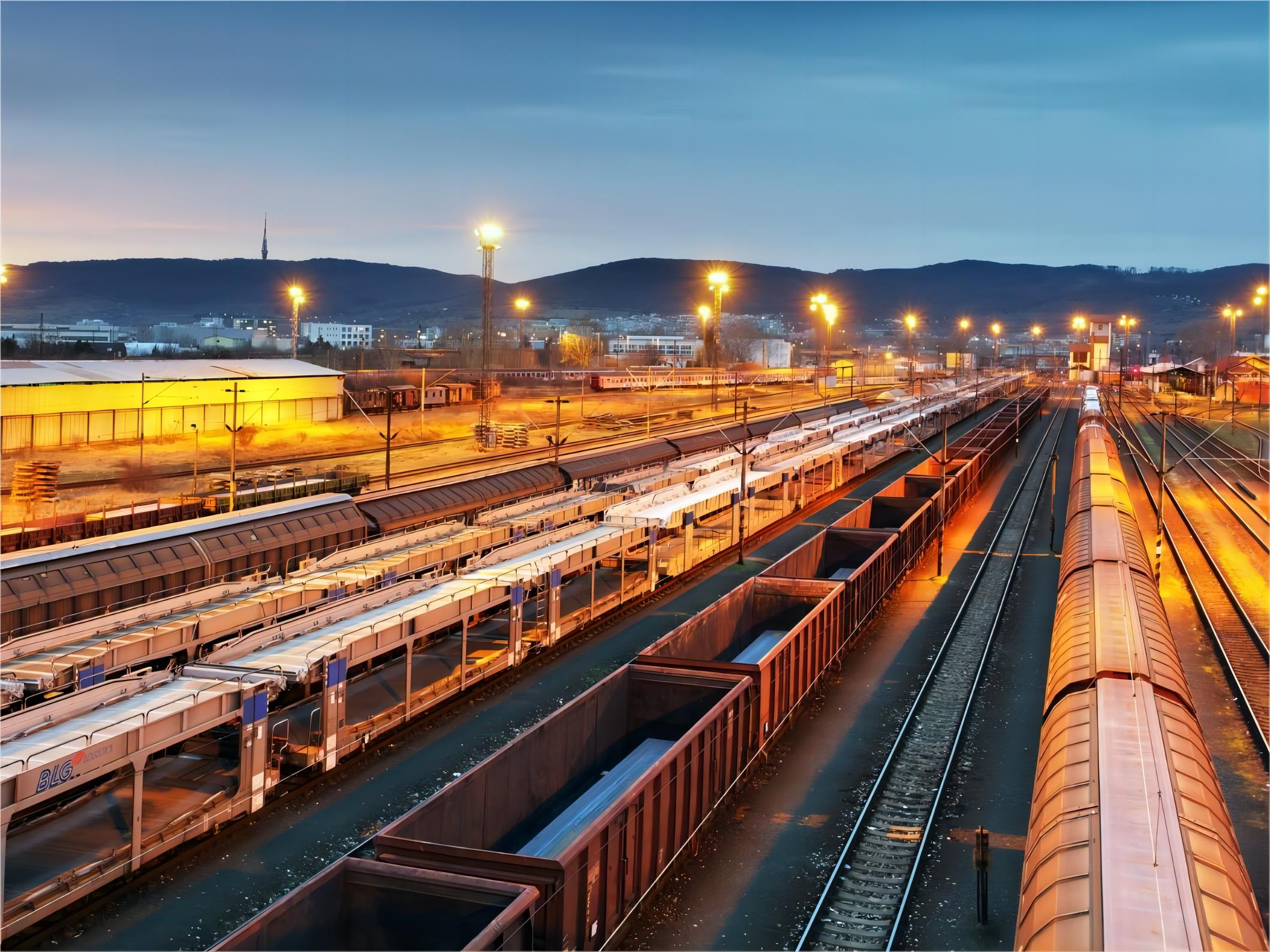
Consolidating shipments from multiple suppliers into a single FCL container is another effective strategy. This method, often called buyer’s consolidation, allows you to benefit from FCL rates even if individual orders are small. Meanwhile, exploring rail freight for shipments to Central Europe can offer a middle ground between sea and air costs.
Direct routes typically cost 10 to 15 percent more than transshipment options but can save nearly a week in transit time. If your supply chain can tolerate a longer wait, choosing a route with a transshipment point like Port Klang or Singapore can significantly lower your ocean freight bill. Always weigh the cost savings against the potential impact on your inventory turnover.
Mastering Global Trade with Expert Sea Freight Solutions
To summarize, navigating the world of international trade requires a deep understanding of ocean transport dynamics and a trusted partner. By carefully choosing between FCL and LCL and monitoring market trends, businesses can significantly reduce their overhead while ensuring cargo safety.
A professional china sea freight fcl lcl shipping company international logistics provider acts as your guide through the complexities of customs, documentation, and carrier negotiations. As we move through 2026, staying informed and adaptable will be the key to successful global logistics management and long-term commercial growth.
Ready to streamline your logistics?
Streamline your global supply chain today with the most reliable china sea freight fcl lcl shipping company international logistics expert. Contact our team to receive a customized quote and discover how our 2026 shipping solutions can grow your business. Send Inquiry
Request Quote