

China to South Africa Freight Forwarder Container Shipping 2026 Guide
Navigating the complexities of international trade requires a reliable partner to manage your logistics pipeline effectively. Businesses looking for a China to South Africa freight forwarder container shipping service often face challenges with fluctuating rates and complex customs regulations. At Global China Forwarder, we provide comprehensive solutions that streamline your supply chain and ensure your goods arrive safely at South African ports. This guide explores the essential aspects of shipping to South Africa, providing you with the knowledge to optimize your 2026 shipping strategy.

Understanding China to South Africa Freight Forwarder Container Shipping in 2026
Entering the 2026 trade season, the logistics corridor between China and South Africa remains a vital link for the African continent’s economy. Furthermore, the demand for consumer electronics, machinery, and textiles continues to drive high volumes through major hubs like Shanghai and Shenzhen. Consequently, importers must stay informed about the latest market shifts to maintain a competitive edge in their local markets.
Selecting the right shipping method involves balancing speed against cost to meet specific business requirements. Moreover, recent infrastructure improvements at South African ports have slightly improved discharge times, although congestion remains a factor during peak periods. Therefore, working with an experienced forwarder is crucial for navigating these local operational nuances successfully.
Market data suggests that freight rates have stabilized in early 2026 after the volatility seen in previous years. Additionally, the introduction of more fuel-efficient vessels on the direct route has helped keep surcharges manageable for long-term contracts. Indeed, understanding these trends allows businesses to forecast their landed costs with greater accuracy.
How Does Sea Freight Compare to Other Shipping Options?
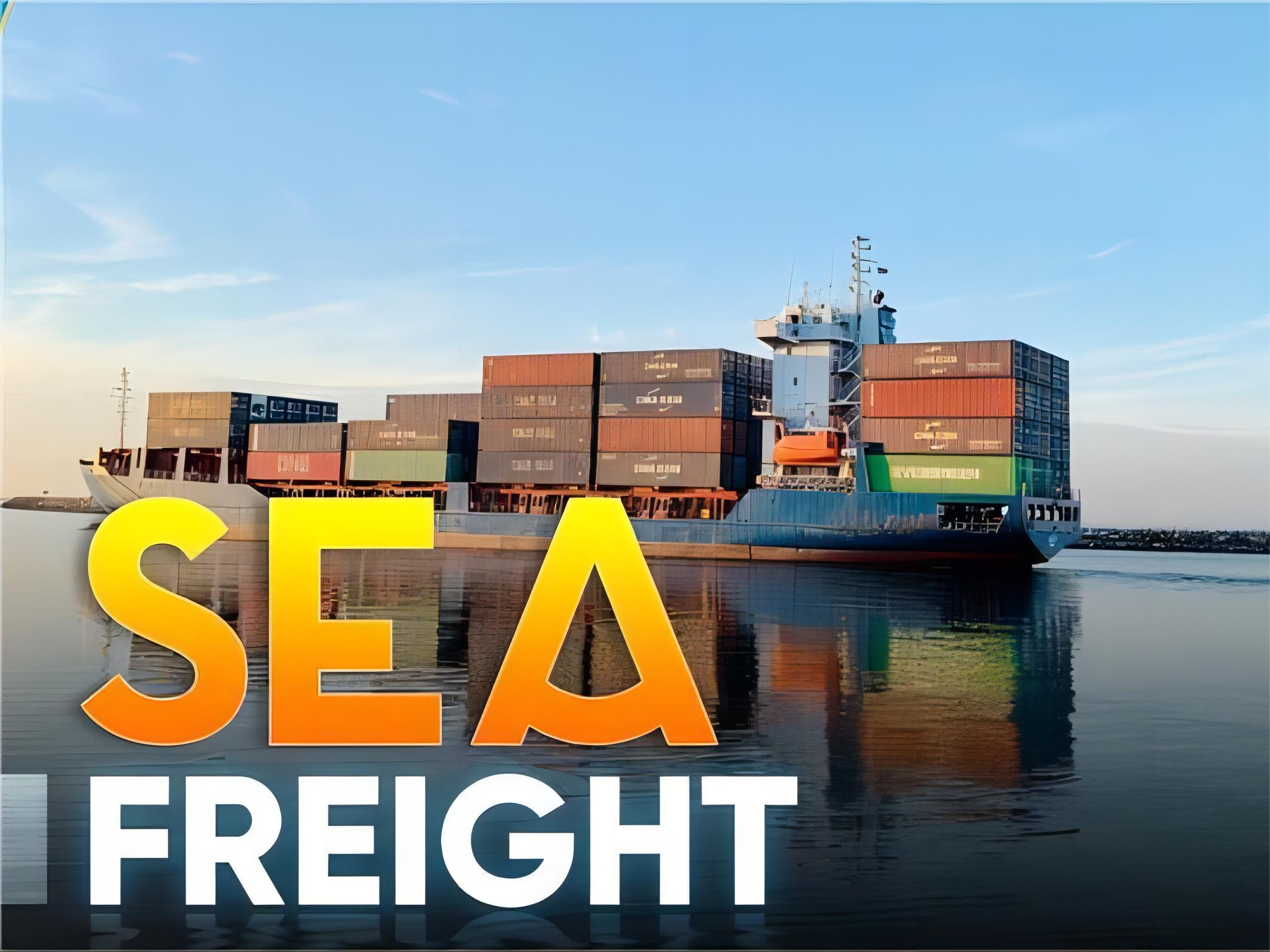
Comparing different transport modes is essential for determining the most efficient way to move your inventory across the ocean. While sea freight remains the most popular choice for bulk cargo, other methods offer distinct advantages for smaller or time-sensitive shipments. In contrast, businesses with urgent deadlines often turn to more rapid transport solutions despite the higher price point.
Choosing between Full Container Load (FCL) and Less than Container Load (LCL) depends heavily on your total volume and budget. For instance, LCL shipping from China to South Africa is ideal for shipments under 15 cubic meters, as it allows you to pay only for the space you use. On the other hand, FCL provides a dedicated container, which typically results in faster transit times and lower risk of damage during handling.
Alternative strategies like sea-air hybrid solutions are gaining traction for companies looking to bridge the gap between cost and speed. Specifically, cargo can be shipped by sea to a hub like Dubai and then flown to Johannesburg to save time compared to a full ocean voyage. Nevertheless, the traditional sea route remains the most cost-effective strategy for the majority of South African importers.
| Shipping Method | Cost Range | Transit Time | Best For |
|---|---|---|---|
| Sea Freight (FCL) | $1,400 – $2,200 | 25 – 35 Days | Bulk goods and large inventory |
| Sea Freight (LCL) | $60 – $110 per CBM | 30 – 40 Days | Small shipments and samples |
| Air Freight | $4.50 – $7.50 per kg | 5 – 8 Days | High-value or urgent items |
| Express Service | $8.00 – $12.00 per kg | 3 – 5 Days | Documents and small parcels |
Which Shipping Option Should You Choose?
Deciding on the best logistics path requires a clear framework based on your specific cargo profile and arrival deadlines. If your primary goal is budget priority, you should recommend sea freight for almost all shipments exceeding 100 kilograms. However, if speed priority is the main concern, air freight is the only viable option to meet tight retail windows.
Volume thresholds play a significant role in the decision-making process for most South African businesses. Usually, once a shipment exceeds 15 CBM, it becomes more economical to book a 20GP container rather than paying for LCL space. Additionally, cargo type considerations such as hazardous materials or oversized machinery will dictate the use of specialized equipment like flat racks or open-top containers.
Strategic planning involves evaluating the trade-offs between direct routes and transshipment options. Direct routes to Durban are faster but may carry a 10 percent premium over transshipment services via Singapore or Port Klang. Consequently, if your schedule allows for an extra week of transit, choosing a transshipment route can lead to significant annual savings.
Key Factors Affecting Shipping Costs to South Africa
Fluctuations in fuel prices and seasonal demand are the primary drivers of shipping costs in the current market. During the peak season from August to October, rates typically increase by 15 to 25 percent as retailers prepare for the end-of-year holidays. Therefore, booking your shipments at least 3 to 4 weeks in advance is recommended to secure better rates and guaranteed space.
Local port fees and terminal handling charges in South Africa can also impact the final landed cost of your goods. Since these charges vary between Durban, Cape Town, and Port Elizabeth, it is vital to factor them into your initial budget. Furthermore, utilizing a customs brokerage service can help you identify potential duty savings through correct tariff classification.
Note: Freight rates are subject to change based on fuel costs, carrier capacity, and seasonal demand. Contact us for a current quote tailored to your specific shipment.
| Container Type | Average Rate (2026) | Max Payload | Common Usage |
|---|---|---|---|
| 20ft GP | $1,400 – $1,850 | 28,000 kg | Heavy machinery, tiles |
| 40ft GP | $2,200 – $2,900 | 26,000 kg | Furniture, electronics |
| 40ft HQ | $2,400 – $3,200 | 26,000 kg | Lightweight bulky goods |
Essential Customs Documentation for South African Imports
Preparing the correct paperwork is the most critical step in avoiding costly delays at the South African border. The South African Revenue Service (SARS) requires precise documentation for every import, including a commercial invoice, packing list, and bill of lading. Additionally, certain products may require specific import permits or certificates of origin to qualify for preferential trade agreements.
Accuracy in your documentation prevents the risk of cargo being held for inspection, which can incur significant storage fees. Moreover, the description of goods on the invoice must match the physical items exactly to satisfy customs officials. Indeed, many first-time importers fail to realize that even minor discrepancies can lead to administrative penalties or extended delays.
Professional guidance is often necessary to navigate the complexities of South African trade law. By using a door to door service, you can ensure that all customs formalities are handled by experts on both ends of the shipment. Consequently, this integrated approach reduces the administrative burden on your business and speeds up the delivery process.
Real-World Case Studies for South African Cargo
Examining actual shipping scenarios provides valuable insights into the practical challenges and costs associated with this route. These examples reflect the typical market conditions as of early 2026 and demonstrate how different strategies impact the final outcome. Furthermore, they highlight the importance of choosing the right port of entry based on the final destination within South Africa.
Case Study 1: Industrial Machinery to Johannesburg. Route: Ningbo, China to Durban, South Africa. Cargo: CNC Machine, 12 CBM, 4,500 kg. Container: LCL. Shipping Details: Major carrier, direct route. Cost Breakdown: Ocean Freight $960, Origin Charges $250, Destination Charges $450, Customs and Duties $1,200. Total Landed Cost: $2,860. Timeline: Sea Transit 28 days, Customs 3 days, Total Door-to-Door 38 days. Key Insight: Choosing LCL saved the client $600 compared to a 20GP container.
Case Study 2: Retail Apparel to Cape Town. Route: Shenzhen, China to Cape Town, South Africa. Cargo: Clothing and textiles, 65 CBM, 8,000 kg. Container: 40HQ. Shipping Details: MSC, transshipment via Port Klang. Cost Breakdown: Ocean Freight $2,600, Origin Charges $300, Destination Charges $550, Customs and Duties $4,500. Total Landed Cost: $7,950. Timeline: Sea Transit 34 days, Customs 4 days, Total Door-to-Door 45 days. Key Insight: Transshipment was chosen to reduce freight costs by 15 percent during the peak season.
Top Ports in China and South Africa for Container Shipping
Identifying the most efficient ports for your cargo can significantly reduce both transit times and inland transportation costs. Shanghai and Ningbo are the primary gateways for goods originating from East China, offering the highest frequency of weekly sailings to Africa. Meanwhile, the Port of Shenzhen serves as the main exit point for the manufacturing hubs in the Pearl River Delta.
Durban remains the busiest container terminal in South Africa, handling over 60 percent of the country’s sea-borne trade. Because it is the closest major port to the industrial heartland of Gauteng, it is the preferred choice for goods destined for Johannesburg. However, Cape Town is an excellent alternative for cargo specifically targeting the Western Cape market or for certain seasonal agricultural imports.
Port Elizabeth and the newer Coega Ngqura port provide additional capacity and are often less congested than Durban. Consequently, some importers choose these ports for transshipment or for cargo destined for the Eastern Cape region. Indeed, selecting the right port of discharge is a strategic decision that should be based on your final delivery address.
| China Port | South Africa Port | Transit Time (Direct) | Frequency |
|---|---|---|---|
| Shanghai | Durban | 26 – 30 Days | 3 Sailings / Week |
| Shenzhen | Cape Town | 28 – 32 Days | 2 Sailings / Week |
| Ningbo | Port Elizabeth | 30 – 35 Days | 1 Sailing / Week |
| Guangzhou | Durban | 25 – 28 Days | 2 Sailings / Week |

Step-by-Step Guide to the Shipping Process
Mastering the logistics workflow ensures that your shipments move smoothly from the factory floor to your warehouse. The process begins with obtaining a detailed quote and booking space with your forwarder at least one month before the cargo is ready. Subsequently, the goods are picked up and transported to the warehouse for loading into the container.
Documentation must be finalized and submitted to the carrier before the vessel departs to ensure a smooth bill of lading issuance. Once the ship is at sea, you can track its progress using the container number or the master bill of lading. Additionally, arranging for cargo insurance is a vital step to protect your investment against unforeseen maritime risks.
Upon arrival at the South African port, the customs clearance process begins immediately to avoid expensive port storage fees. Utilizing an express service for your original documents can help speed up this phase significantly. Finally, after the cargo is released by SARS, the container is hauled to its final destination for unloading.
Conclusion
Successfully managing China to South Africa freight forwarder container shipping requires a blend of strategic planning, accurate documentation, and the right logistics partner. Throughout this guide, we have explored the various shipping methods, cost factors, and port options available in 2026. Furthermore, we have highlighted how choosing between FCL and LCL can impact your bottom line based on volume and urgency.
Reliability in your supply chain is more important than ever in the current global economic climate. By understanding the nuances of the South African market and leveraging the expertise of a professional forwarder, you can overcome common hurdles. Whether you are shipping machinery to Durban or consumer goods to Cape Town, the right approach will ensure your business thrives. Start planning your next shipment today to take advantage of the latest market trends and cost-saving opportunities.

Need a tailored shipping solution?
Optimizing your China to South Africa freight forwarder container shipping strategy is the key to reducing overhead and improving delivery reliability. Contact our expert team today to receive a personalized logistics plan and a competitive quote for your next shipment. Send Inquiry link: