

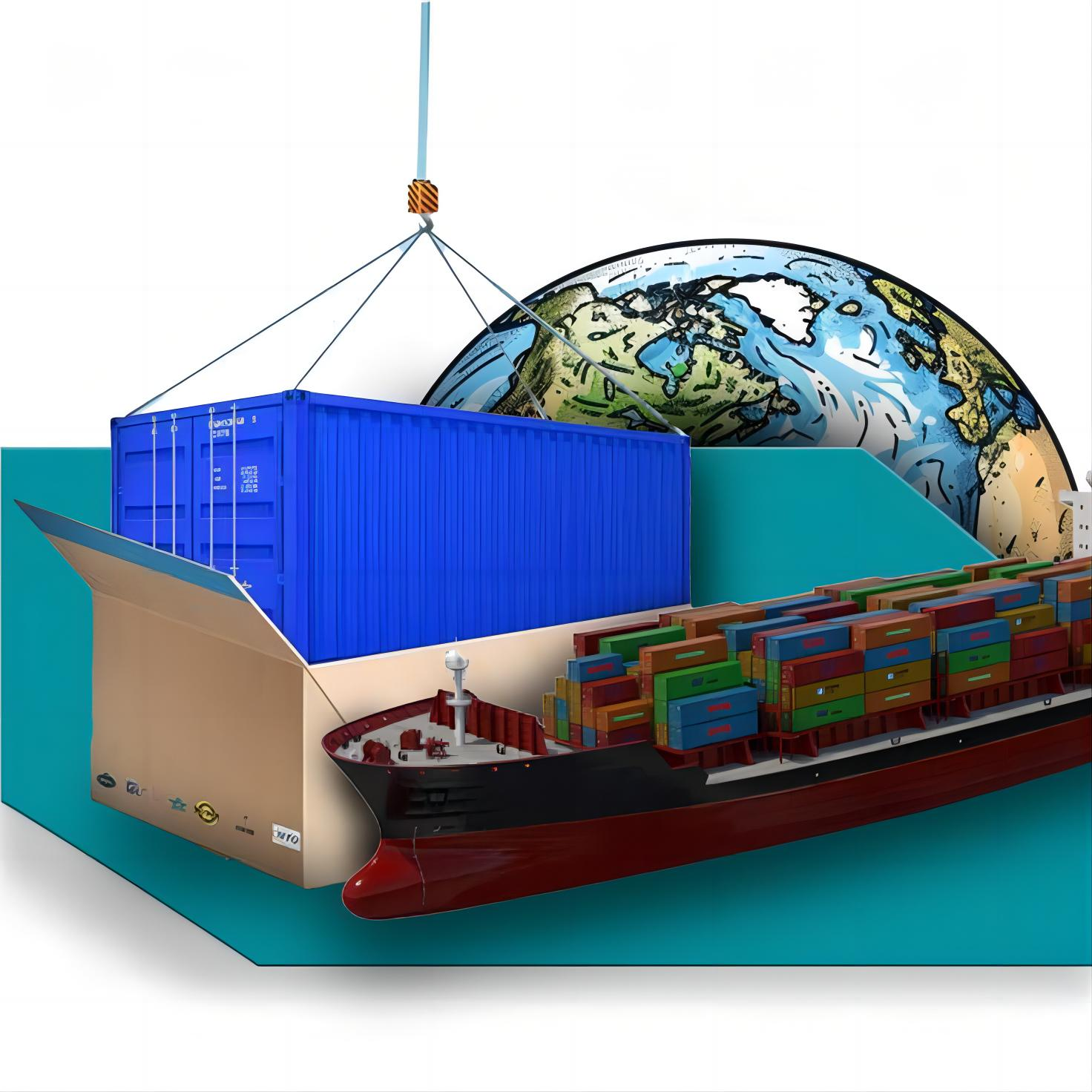
China to Nigeria Sea Freight Air Freight Logistics Service 2026 Guide
Navigating the complexities of international trade requires a reliable partner like Global China Forwarder to manage your supply chain efficiently. Utilizing a professional China to Nigeria sea freight air freight logistics service ensures that your goods move seamlessly across borders while minimizing unexpected delays. Consequently, businesses can focus on growth while experts handle the intricate details of transport and Nigerian customs compliance.
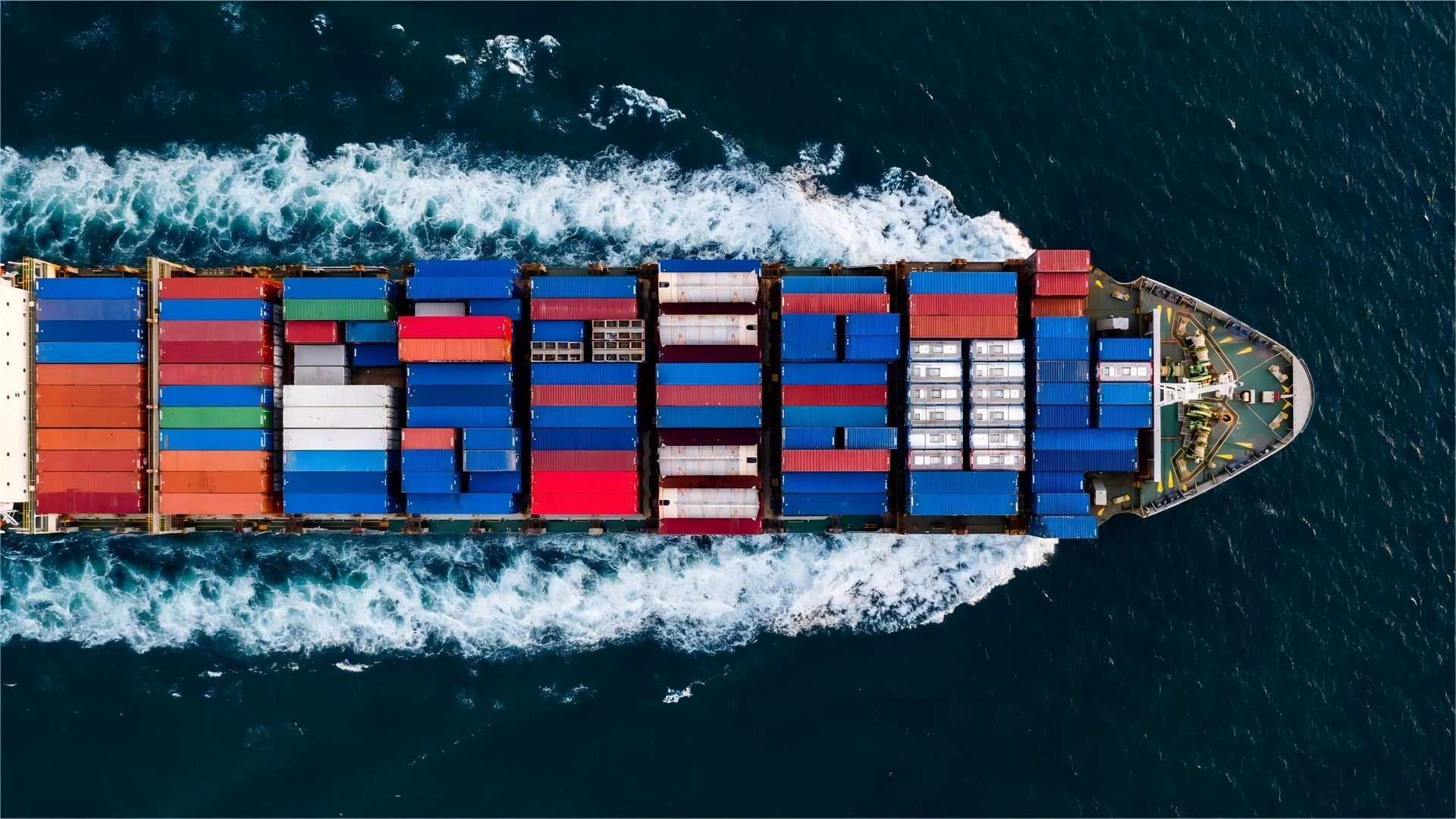
Understanding the China to Nigeria Sea Freight Air Freight Logistics Service
Shipping goods from China to Nigeria involves a sophisticated network of transport modes designed to meet diverse business needs. Furthermore, the selection between ocean and air transport depends heavily on your budget, cargo volume, and urgency. Many importers prioritize cost-efficiency by choosing sea freight for large-scale shipments.
Logistics providers in 2026 have optimized these routes to account for modern port infrastructure and digital tracking systems. Additionally, the integration of real-time data allows for better predictability in delivery schedules. This evolution has made the China to Nigeria sea freight air freight logistics service more transparent than ever before.
However, the unique challenges of the Nigerian market, such as port congestion at Apapa or Tin Can, require localized expertise. Therefore, working with a freight forwarder who understands the local landscape is essential for success. They provide the necessary bridge between Chinese manufacturers and Nigerian distributors.
How Does Sea Freight Compare to Other Shipping Options?
Evaluating different transport methods is crucial for optimizing your landed cost and meeting market demands. While sea freight offers the lowest cost per unit, it requires significantly longer lead times compared to air alternatives. In contrast, air cargo provides rapid delivery for high-value or perishable items.
Moreover, businesses must consider the trade-offs between Full Container Load (FCL) and Less than Container Load (LCL) options. For shipments under 15 CBM, LCL often serves as a more economical choice. Meanwhile, FCL provides better security and faster handling for larger volumes.
The following table provides a comprehensive comparison of the primary shipping methods available for the China to Nigeria route in 2026.
| Shipping Method | Cost Range | Transit Time | Best For |
|---|---|---|---|
| Sea Freight (FCL) | $3,000 – $5,500 | 35 – 45 Days | Bulk goods and heavy machinery |
| Sea Freight (LCL) | $120 – $250/CBM | 40 – 50 Days | Small business inventory |
| Air Freight | $5.50 – $9.00/kg | 5 – 9 Days | Electronics and urgent restocks |
| Express Service | $9.00 – $15.00/kg | 3 – 5 Days | Samples and critical documents |
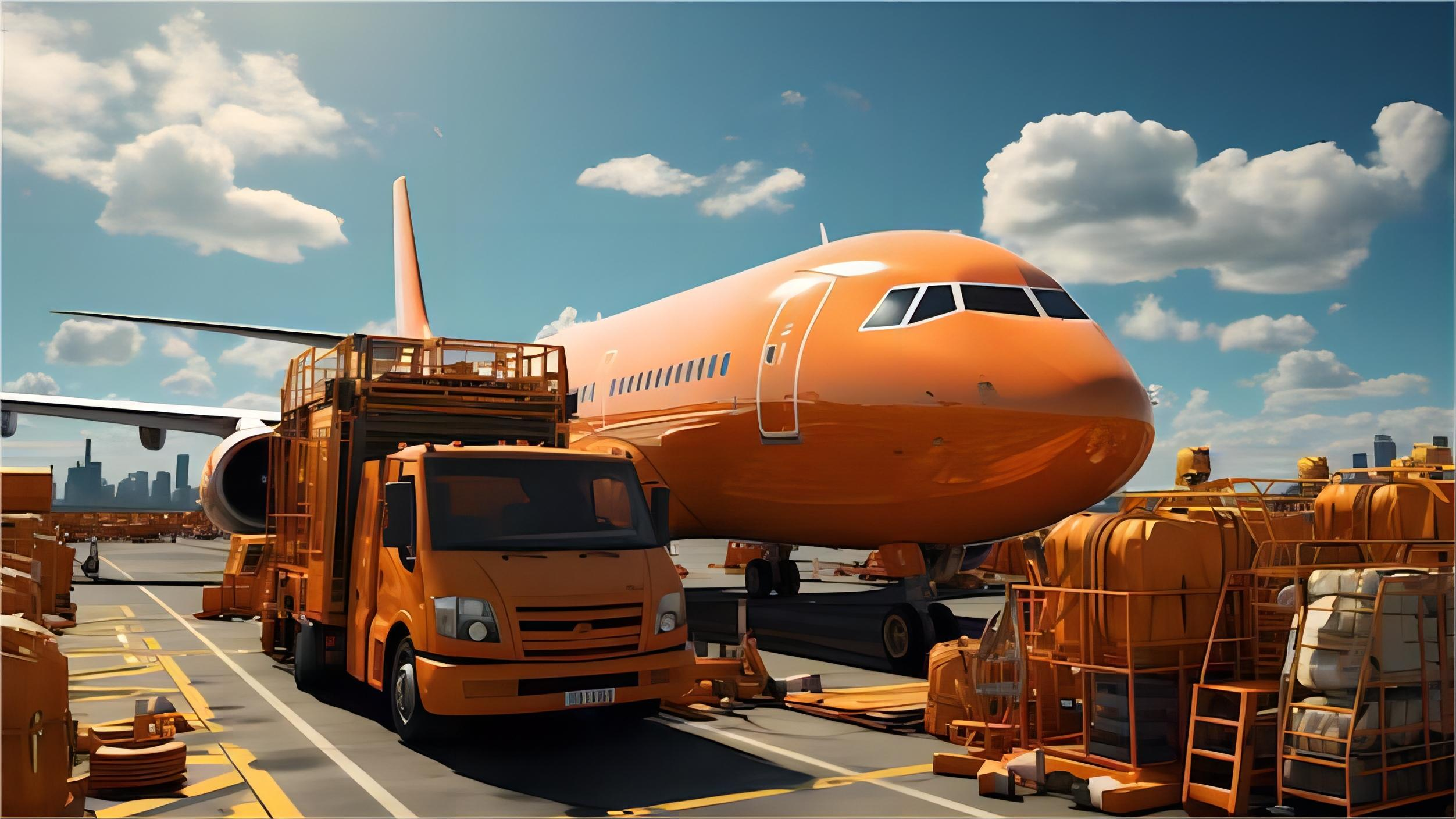
Air Freight Solutions for Urgent Shipments to Nigeria
Speed is often the most critical factor for businesses handling seasonal products or urgent spare parts. Our air freight services utilize major hubs like Guangzhou, Hong Kong, and Shanghai to reach Lagos or Abuja quickly. Consequently, transit times have been reduced to under a week for most major routes.
Furthermore, air transport minimizes the risk of damage or theft due to reduced handling and shorter exposure times. This makes it the preferred choice for high-end electronics and pharmaceuticals. Although the cost is higher, the rapid inventory turnover can often justify the investment.
Logistics providers also offer consolidated air services to help small businesses reduce their shipping expenses. By grouping multiple shipments together, we can secure better rates from major airlines. This approach makes air cargo more accessible for growing enterprises in Nigeria.
Key Factors Influencing Shipping Costs in 2026
Global economic trends and fuel price fluctuations continue to impact the overall cost of international logistics. Specifically, in 2026, we have seen a stabilization of rates after the disruptions of previous years. However, seasonal peaks during the Chinese New Year or Nigerian holiday seasons can still cause price surges.
Additionally, port charges and terminal handling fees at Nigerian ports contribute significantly to the total landed cost. Importers should also account for the fluctuating exchange rates between the Naira, Yuan, and US Dollar. These financial variables require careful monitoring to maintain healthy profit margins.
Market data suggests that freight rates typically increase by 15-25 percent during the August to October peak season. Therefore, booking your shipments at least three weeks in advance is highly recommended to secure better pricing. Planning ahead remains the most effective strategy for cost containment.
Essential Documentation for Nigerian Customs Clearance
Navigating the regulatory environment in Nigeria requires meticulous attention to detail and accurate paperwork. Utilizing a professional customs brokerage service can prevent costly delays and potential fines. Specifically, the Form M and the Pre-Arrival Assessment Report (PAAR) are vital components of the import process.
Furthermore, every shipment must be accompanied by a detailed commercial invoice and a packing list. These documents must match the physical cargo exactly to avoid discrepancies during inspection. Inaccurate descriptions or undervalued goods can lead to cargo seizure or heavy penalties.
According to industry benchmarks, over 30 percent of shipping delays in Nigeria are caused by documentation errors. Consequently, verifying all certificates of origin and SONCAP certifications before the goods leave China is essential. Professional logistics partners handle these checks as part of their standard service.
| Document Name | Purpose | Required By | Timeline |
|---|---|---|---|
| Form M | Import Declaration | Central Bank of Nigeria | Before Loading |
| PAAR | Duty Assessment | Nigeria Customs Service | Pre-Arrival |
| SONCAP | Quality Standard | Standards Org of Nigeria | Post-Production |
| Bill of Lading | Title of Goods | Carrier/Customs | After Departure |
Door to Door vs. Port to Port: Which Should You Choose?
Choosing the right delivery terms can simplify your operations and reduce the burden on your internal team. A door to door service provides a comprehensive solution where the forwarder handles everything from the factory floor to your warehouse. This option is particularly popular among e-commerce sellers and small business owners.
On the other hand, port to port shipping might be more suitable for large corporations with their own logistics departments. This method allows for more direct control over local trucking and warehousing in Nigeria. However, it requires a deep understanding of local port operations and transport networks.
Ultimately, the choice depends on your level of expertise and the amount of time you can dedicate to logistics management. For most importers, the convenience of an all-inclusive service outweighs the slightly higher service fees. It ensures a single point of accountability for the entire journey.
Real-World Case Studies: Logistics Success in 2026
Analyzing actual shipping scenarios helps illustrate the practical application of different logistics strategies. These cases reflect typical market conditions and pricing as of early 2026. Each example demonstrates how specific challenges were overcome through professional management.
Case Study 1: Electronics from Shenzhen to Lagos. Cargo: 500kg of smartphones. Method: Air Freight. Total Landed Cost: $4,850. Transit Time: 6 days. Key Insight: Using air freight allowed the client to meet a product launch deadline despite production delays in the factory.
Case Study 2: Industrial Machinery from Ningbo to Onne Port. Cargo: 20GP Container. Method: Sea Freight FCL. Total Landed Cost: $6,200. Transit Time: 42 days. Key Insight: Direct routing to Onne Port saved the client significant inland transport costs to the eastern region.
Case Study 3: Fashion Apparel from Guangzhou to Abuja. Cargo: 5 CBM. Method: Sea Freight LCL with Door to Door delivery. Total Landed Cost: $1,450. Transit Time: 52 days. Key Insight: Consolidating small volumes allowed the boutique owner to maintain stock variety without high shipping overheads.
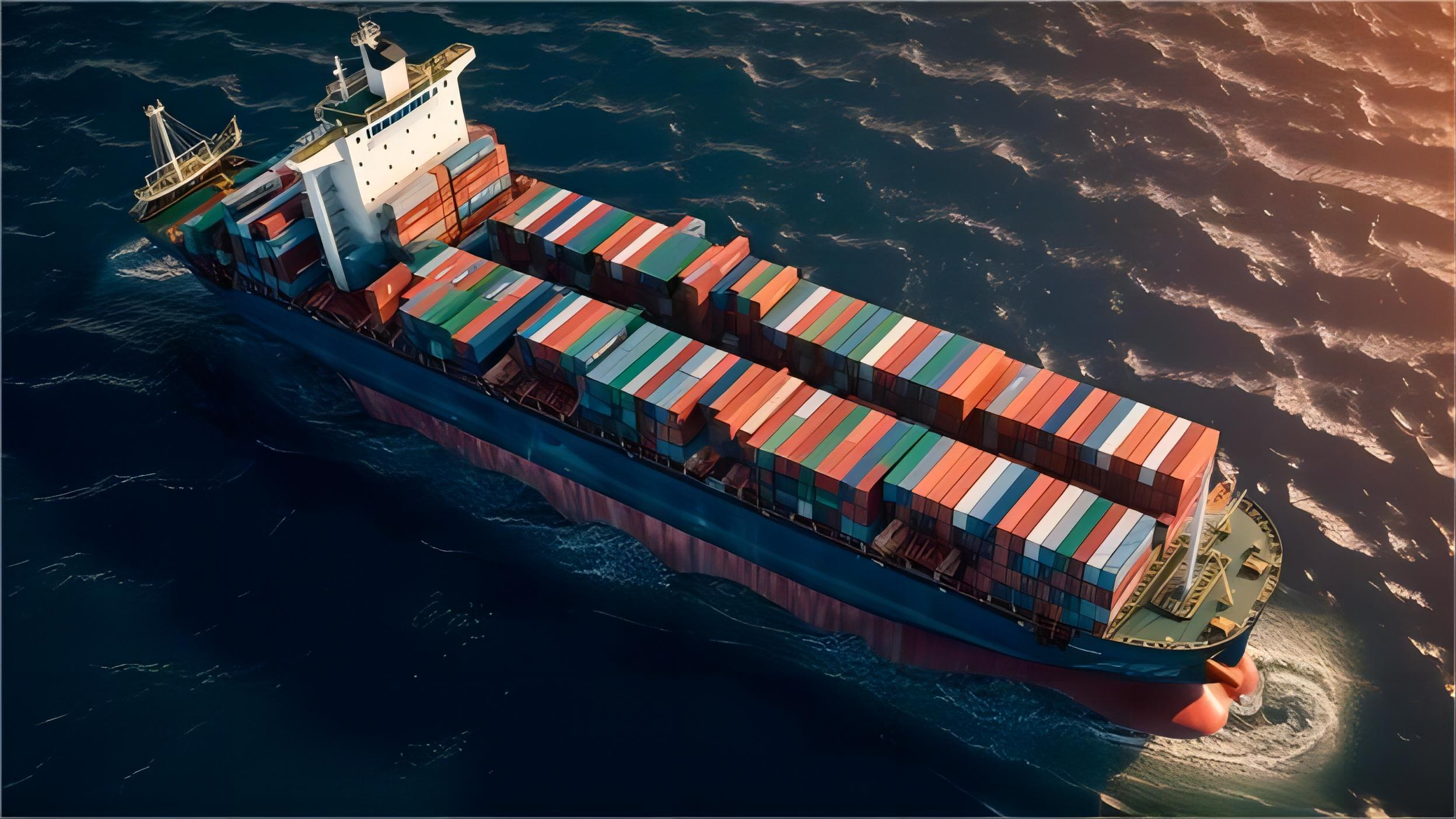
Decision Framework: Choosing Your Shipping Strategy
Selecting the optimal shipping method requires a balanced evaluation of cost, speed, and cargo characteristics. If your primary goal is budget optimization, sea freight is the undisputed leader for large volumes. Conversely, if your cargo is time-sensitive, air freight or express service is the better path.
Consider the following criteria when making your decision: First, evaluate the value-to-weight ratio of your products. High-value, lightweight items are ideal for air transport. Second, assess the stability of your demand; predictable stock levels favor the slower, cheaper sea routes.
Third, factor in the hidden costs of longer transit times, such as capital tied up in inventory. Sometimes, paying more for faster shipping can improve your cash flow by allowing quicker sales cycles. Our team can help you run these calculations to find the most profitable balance for your specific business model.
Cost-Saving Strategies for Importing to Nigeria
Reducing your logistics expenses requires a proactive approach to planning and negotiation. One effective strategy is to consolidate shipments from multiple Chinese suppliers into a single container. This reduces the per-unit cost of documentation and terminal handling fees significantly.
Furthermore, optimizing your packaging can lead to substantial savings, especially in air freight where volume-weight calculations apply. Using durable but lightweight materials prevents damage while keeping the billable weight to a minimum. Additionally, choosing off-peak shipping windows can help you avoid seasonal rate hikes.
Note: Freight rates are subject to change based on fuel costs, carrier capacity, and seasonal demand. Contact us for a current quote tailored to your specific shipment. Staying informed about market trends is the best way to ensure you are always getting a fair price.
How Does China to Nigeria Sea Freight Air Freight Logistics Service Compare to Alternatives?
While direct sea and air routes are the most common, some businesses explore hybrid solutions to balance cost and speed. Sea-Air combinations, often transshipping through hubs like Dubai, can offer a middle ground. However, for the China-Nigeria route, direct sea or air remains the most reliable and cost-effective approach.
In contrast to other African destinations, Nigeria’s unique port infrastructure makes direct maritime transport very competitive. Rail freight is not a viable option for this transcontinental route due to geographical barriers. Therefore, focusing on optimizing your sea or air strategy is the most productive use of your resources.
The table below outlines how these primary methods stack up against each other for the Nigerian market.
| Method | Cost Level | Transit Speed | Reliability |
|---|---|---|---|
| Direct Sea | Low | Slow | High |
| Direct Air | High | Very Fast | High |
| Sea-Air Hybrid | Medium | Medium | Moderate |
| Express | Very High | Instant | Very High |
Mastering Your Logistics from China to Nigeria
Successfully managing a China to Nigeria sea freight air freight logistics service requires a combination of strategic planning and expert execution. By understanding the differences between shipping modes and preparing accurate documentation, you can significantly reduce risks and costs. Moreover, partnering with an experienced forwarder provides the local insights necessary to navigate Nigerian customs efficiently.
Ultimately, the goal is to create a resilient supply chain that supports your business growth in 2026 and beyond. Whether you choose the speed of air or the economy of sea, consistency and transparency remain the keys to success. Start optimizing your logistics today to gain a competitive edge in the vibrant Nigerian market.

Start Your Shipment
Ready to streamline your imports? Contact our expert team today for a customized China to Nigeria sea freight air freight logistics service quote. Visit our website to See how we can optimize your supply chain. Send Inquiry: Visit globalchinaforwarder.com
Request Quote