

China to Germany shipping cost air freight sea freight: 2026 Guide
Navigating the complexities of international trade requires a clear understanding of the Global China Forwarder logistics landscape. Determining the exact China to Germany shipping cost air freight sea freight depends on several variables including volume, weight, and urgency. Businesses must balance speed and budget to maintain a competitive edge in the European market. Consequently, identifying the most efficient transport method involves analyzing current market trends and carrier availability for early 2026. This comprehensive guide provides the data needed to optimize your supply chain and reduce overall landed costs.
Understanding China to Germany shipping cost air freight sea freight in 2026
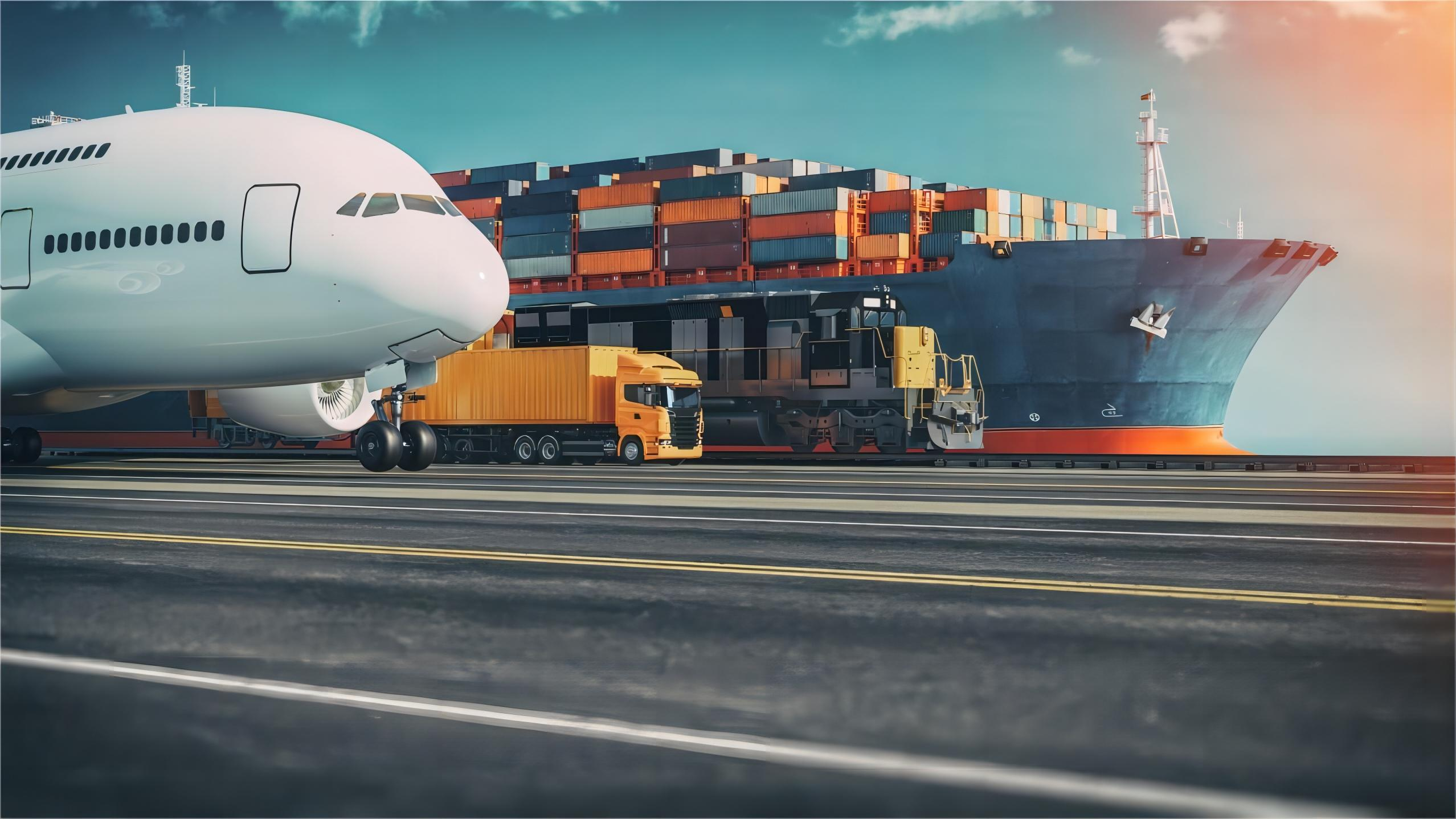
Current market conditions in 2026 show that freight rates have stabilized after the disruptions seen in previous years. Importers frequently ask about the most economical way to move goods between these two economic powerhouses. Sea freight remains the primary choice for bulk commodities, while air freight serves the needs of high-value electronics and seasonal fashion. Additionally, rail freight continues to grow as a viable middle ground for companies seeking a balance between cost and speed.
Logistics managers must consider more than just the base freight rate when calculating their total spend. Specifically, you must account for fuel surcharges, terminal handling charges, and local delivery fees in German cities like Hamburg or Munich. Furthermore, the choice between LCL and FCL shipping significantly impacts the final invoice. Small shipments under 15 cubic meters often benefit from shared container space, whereas larger volumes justify the cost of a dedicated 40HQ container.
Transitioning between different modes of transport requires a strategic approach to inventory management. For instance, using sea freight for your core stock while supplementing with air shipments ensures you never face out-of-stock scenarios. Meanwhile, staying informed about seasonal peaks like the pre-Golden Week rush can save your business thousands of dollars in premium surcharges. Ultimately, a diversified shipping strategy is the best defense against unpredictable market shifts.
How Does Sea Freight Compare to Other Shipping Options?
Comparing different transport modes reveals significant trade-offs in terms of budget and delivery schedules. Sea freight is undeniably the leader for cost-efficiency when moving large volumes of cargo over long distances. However, the transit time of 30 to 45 days can be a disadvantage for fast-moving consumer goods. In contrast, air cargo provides rapid delivery but at a price point that is often five to ten times higher than ocean transport.
Rail freight has emerged as a compelling alternative for the China-Europe corridor. It offers a transit time of approximately 18 to 25 days, which is nearly twice as fast as sea freight while costing significantly less than air transport. Nevertheless, rail capacity can be limited during peak seasons, making early booking essential for consistent service. Shippers should evaluate their specific cargo requirements before committing to a single method.
Hybrid solutions like sea-air or rail-sea combinations are also gaining popularity among savvy logistics professionals. These strategies allow businesses to bypass port congestion or take advantage of lower rates on specific legs of the journey. For example, shipping by sea to a regional hub and then by air to Germany can reduce total transit time by 40 percent compared to pure sea freight. These alternative strategies provide the flexibility needed in today’s dynamic global economy.
| Air Freight | $4.50-9.00/kg | 3-7 Days | Urgent/High-Value |
| Sea Freight (FCL) | $2,800-4,500 | 30-45 Days | Bulk/Large Volume |
| Rail Freight | $1,500-2,800 | 18-25 Days | Mid-range Budget |
| Express Courier | $8.00-15.00/kg | 2-5 Days | Samples/Small Parcels |
Air Freight: Speed and Efficiency for Time-Sensitive Cargo
Choosing air freight is the most effective way to ensure your products reach the German market within a week. This method is particularly suitable for high-tech components, pharmaceutical products, and luxury goods where the value-to-weight ratio is high. Moreover, the increased security and reduced handling during air transit minimize the risk of damage or theft. Consequently, many businesses find the higher cost justifiable when considering the reduction in inventory carrying costs.
Air cargo rates are typically calculated based on either actual weight or volumetric weight, whichever is greater. As of early 2026, air freight rates from China to Germany range from 4.50 to 9.00 USD per kilogram depending on the specific airport and carrier. Additionally, peak season demand during the fourth quarter can drive these prices even higher. Therefore, planning shipments well in advance and consolidating smaller orders can lead to significant savings on your air logistics budget.
Selecting the right airport in China can also influence your total air freight expenses. Major hubs like Shanghai Pudong and Shenzhen Baoan offer the most frequent flights and competitive pricing due to high carrier density. Meanwhile, secondary airports might provide lower ground handling fees but fewer direct routing options to Frankfurt or Munich. Indeed, working with an experienced forwarder helps in identifying the most cost-effective flight paths for your specific cargo type.
Rail Freight: The Middle Ground for China-Germany Logistics
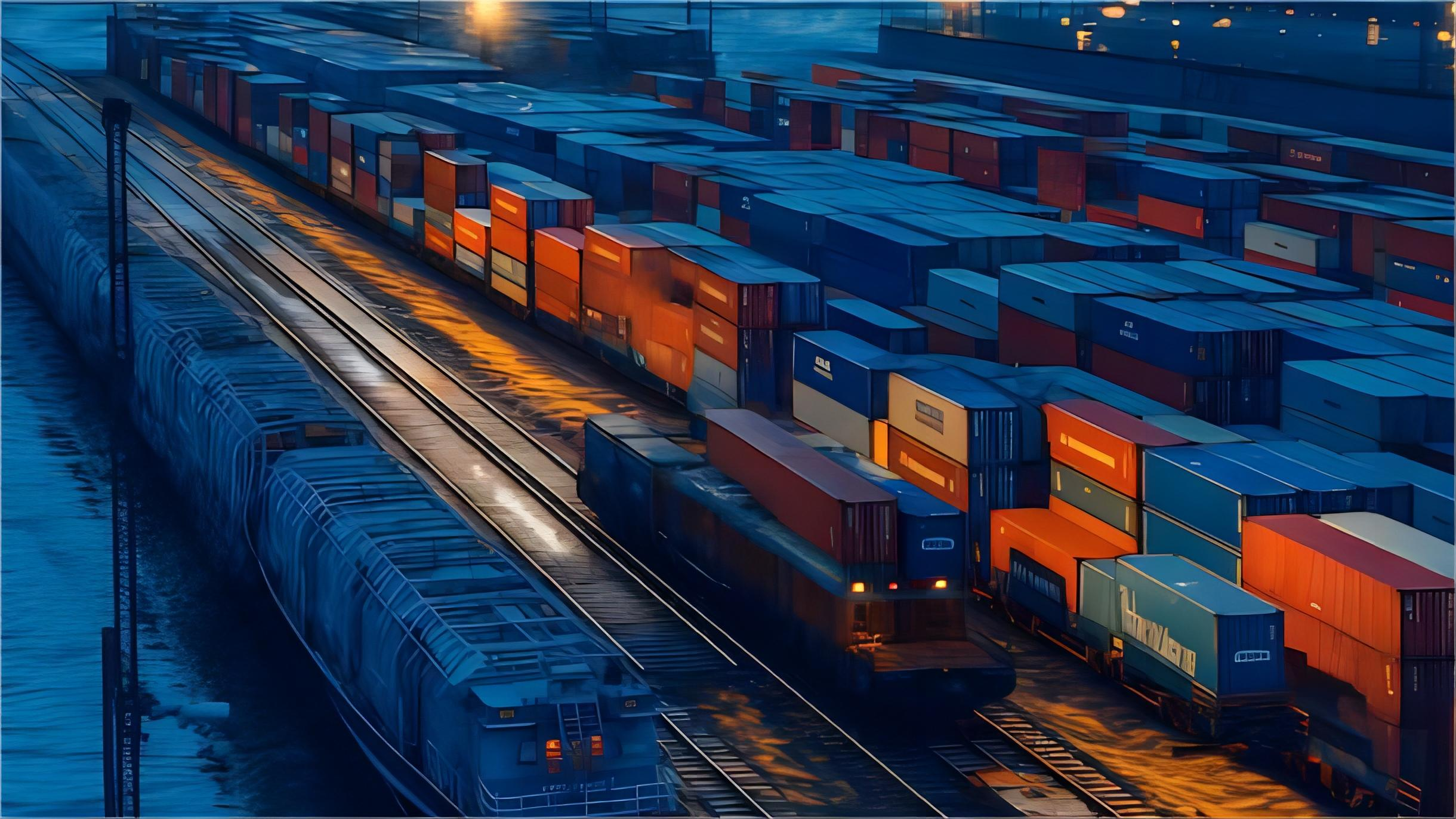
Utilizing rail freight provides a strategic advantage for companies that cannot afford air freight but need faster delivery than sea transport. The Iron Silk Road connects major Chinese industrial hubs like Xi’an and Chengdu directly to German terminals in Duisburg and Hamburg. This land-based route is less susceptible to the maritime weather conditions that often delay ocean vessels. Furthermore, rail transport is generally considered more environmentally friendly than air or sea freight.
Rail cargo costs for a standard 40-foot container currently fluctuate between 1,500 and 2,800 USD. This pricing model makes it an attractive option for automotive parts, industrial machinery, and consumer electronics. In addition, the stability of rail pricing compared to the volatile ocean freight market allows for better long-term budget planning. Shippers should note that rail transit involves multiple border crossings, making accurate documentation essential for avoiding delays during customs inspections.
Alternative strategies for rail include LCL rail services, which allow smaller shippers to benefit from rail speed without paying for a full container. For instance, a shipment of 5 cubic meters might cost significantly less per unit than air freight while arriving weeks ahead of a sea shipment. Additionally, many providers now offer temperature-controlled rail containers for sensitive goods. This technological advancement further expands the utility of rail freight for a wider range of product categories.
Factors Influencing Your Shipping Rates
Several external factors play a critical role in determining the final China to Germany shipping cost air freight sea freight. Fuel prices, often reflected as a Bunker Adjustment Factor (BAF) for sea or a Fuel Surcharge for air, represent a significant portion of the total expense. Furthermore, seasonal demand cycles, such as the period leading up to Christmas or the Lunar New Year, create capacity shortages that drive rates upward. Consequently, businesses that can adjust their shipping schedules to avoid these peaks often see 20 to 30 percent lower costs.
Currency fluctuations between the US Dollar, Euro, and Chinese Yuan also impact the final price paid by the importer. Since most international freight is quoted in USD, a weakening Euro can effectively increase your logistics costs even if the base rate remains the same. In addition, port congestion and labor strikes in major European gateways can lead to unexpected surcharges and demurrage fees. Therefore, maintaining a contingency fund in your logistics budget is a prudent strategy for 2026.
Customs duties and VAT in Germany are calculated based on the CIF (Cost, Insurance, and Freight) value of the goods. This means that higher shipping costs directly lead to higher taxes at the border. Specifically, understanding the HS code for your products is vital for accurate duty estimation. Engaging a professional customs brokerage service can prevent costly misclassifications and ensure compliance with European Union regulations. Ultimately, a thorough understanding of these factors allows for more precise financial forecasting.
| Standard 20ft | $1,800-2,500 | N/A | 28,000kg |
| High Cube 40ft | N/A | $3,000-4,200 | 26,000kg |
| Open Top 40ft | N/A | $4,500-6,000 | 25,500kg |
| Reefer 40ft | N/A | $5,500-7,500 | 27,000kg |
Door-to-Door vs Port-to-Port Services
Selecting a door to door service simplifies the entire logistics chain by putting a single provider in charge of the shipment. This approach eliminates the need for the importer to coordinate between multiple trucking companies, warehouses, and customs agents. While the upfront cost may appear higher, the reduction in administrative burden and the lower risk of coordination errors often result in a lower total cost. Furthermore, door-to-door services usually include all local handling fees, providing a more transparent pricing structure.
Port-to-port shipping, on the other hand, offers more control to experienced importers who have established relationships with local German carriers. This method allows you to negotiate individual legs of the journey, which can lead to savings if you have high volume or specialized needs. However, you must be prepared to handle the complexities of arranging pickup from the Port of Hamburg or the Frankfurt airport. In contrast, novice shippers often find that the hidden costs of managing multiple vendors outweigh the potential savings of a port-to-port arrangement.
DDP (Delivered Duty Paid) is a specific type of door-to-door service where the seller assumes all responsibility for costs and risks until the goods reach the buyer’s warehouse. This includes the payment of import duties and VAT in Germany, making it an excellent choice for e-commerce sellers and Amazon FBA participants. Specifically, it allows for a seamless customer experience as the buyer does not have to deal with customs authorities. Meanwhile, DAP (Delivered at Place) is a similar alternative where the buyer remains responsible for taxes, offering a middle ground in terms of responsibility.
Case Studies: Real-World Shipping Scenarios
+———————————————————+ | Case Study 1: High-Value Electronics Distribution | +———————————————————+ | Route: Shenzhen, China to Berlin, Germany | | Cargo: Smart sensors, 1.5 CBM, 450 kg | | Container: LCL Air Freight | | | | Shipping Details: | | – Carrier/Service: Major air carrier | | – Port of Loading: Shenzhen (SZX) | | – Port of Discharge: Berlin (BER) | | – Route Type: Direct | | | | Cost Breakdown: | | – Air Freight: $3,150 | | – Origin Charges: $250 | | – Destination Charges: $180 | | – Customs and Duties: $640 | | – Total Landed Cost: $4,220 | | | | Timeline: | | – Booking to Loading: 2 days | | – Air Transit: 2 days | | – Customs Clearance: 1 day | | – Total Door-to-Door: 5 days | | | | Key Insight: Speed was critical for product launch. | +———————————————————+
+———————————————————+ | Case Study 2: Industrial Machinery FCL | +———————————————————+ | Route: Shanghai, China to Hamburg, Germany | | Cargo: Precision lathes, 28 CBM, 12,000 kg | | Container: 40HQ | | | | Shipping Details: | | – Carrier/Service: COSCO | | – Port of Loading: Shanghai | | – Port of Discharge: Hamburg | | – Route Type: Direct | | | | Cost Breakdown: | | – Ocean Freight: $3,850 | | – Origin Charges: $420 | | – Destination Charges: $550 | | – Customs and Duties: $1,200 | | – Total Landed Cost: $6,020 | | | | Timeline: | | – Booking to Loading: 5 days | | – Sea Transit: 33 days | | – Customs Clearance: 3 days | | – Total Door-to-Door: 41 days | | | | Key Insight: FCL provided the best cost-to-volume ratio.| +———————————————————+
Note: Freight rates are subject to change based on fuel costs, carrier capacity, and seasonal demand. Contact us for a current quote tailored to your specific shipment.
Which Option Should You Choose? Decision Framework
Budget priority is usually the primary driver for choosing sea freight for shipments larger than 2 cubic meters. If your profit margins are tight and your lead times are flexible, the low cost of ocean transport is unbeatable. For instance, furniture, textiles, and heavy machinery are almost always shipped via sea to remain price-competitive in the German market. Additionally, FCL shipping offers better protection for fragile goods compared to LCL due to reduced handling.
Speed priority dictates the use of air freight or express courier services for urgent requirements. When a production line in Germany is down or a critical market deadline is approaching, the high cost of air transport becomes a secondary concern. Furthermore, for very small shipments under 100 kilograms, air freight can sometimes be cheaper than sea freight once minimum billable volumes for LCL are considered. Consequently, always compare both quotes for small parcels to find the most efficient path.
Cargo type considerations may limit your choices regardless of budget or speed. Hazardous materials, oversized equipment, and certain battery types have strict regulations that may exclude them from air or rail transport. In these cases, specialized sea freight containers like Open Tops or Flat Racks are the only viable options. Moreover, perishable goods require reefer containers with active temperature monitoring, which are available in both sea and rail formats. Ultimately, your product’s physical characteristics define the boundaries of your logistics strategy.
Final Thoughts on Shipping from China to Germany
In conclusion, finding the optimal China to Germany shipping cost air freight sea freight requires a balanced approach to speed, cost, and reliability. By understanding the nuances of each transport mode and staying informed about 2026 market trends, you can significantly improve your bottom line. Whether you choose the speed of air, the economy of sea, or the balance of rail, working with a professional forwarder ensures your goods arrive safely and on time.
Remember that the cheapest option is not always the best if it leads to delays or damaged cargo. Invest in a robust logistics strategy that includes comprehensive insurance and expert customs handling. This proactive approach will help your business thrive in the competitive European trade environment.
Ready to streamline your logistics?
Optimizing your China to Germany shipping cost air freight sea freight requires expert knowledge and a reliable network. Contact our team today to receive a customized logistics solution that fits your budget and timeline. Send Inquiry to get started with your 2026 shipping plan.
Request Quote