


China Container Shipping FCL LCL Rates Global Logistics Service 2026
Global trade dynamics in 2026 require businesses to maintain a competitive edge through efficient supply chain management. If you are seeking a reliable Global China Forwarder, understanding the nuances of china container shipping fcl lcl rates global logistics service is the first step toward optimizing your international trade operations. Navigating the complexities of ocean freight pricing and carrier schedules can be challenging for both new importers and seasoned enterprises. Consequently, this comprehensive guide provides the latest market intelligence to help you secure the best possible value for your cargo movements from China to the world.
How to Choose Between FCL and LCL for Your Cargo?
Full Container Load (FCL) shipping involves renting an entire container for your exclusive use, which is ideal for large volumes that fill a 20GP or 40HQ unit. Historically, FCL provides better security and faster transit times because the container remains sealed from the point of origin to the destination. Moreover, using sea freight in an FCL capacity often results in a lower cost per cubic meter when the volume exceeds 15 CBM.

Less than Container Load (LCL) serves as a cost-effective alternative for smaller shipments that do not require a full container. Specifically, your goods share space with other shippers’ cargo, and you only pay for the volume you occupy. However, LCL involves additional handling and consolidation at the port, which can slightly increase the risk of damage or delays. Transitioning to LCL is highly recommended for startups or businesses testing new product lines with lower inventory requirements.
Deciding between these two methods depends heavily on your specific business needs and the nature of your goods. For instance, fragile or high-value items benefit from the reduced handling of FCL. On the other hand, LCL is the logical choice for maintaining a steady flow of small inventory without the high upfront cost of a full container. Indeed, balancing these options is a core component of a modern global logistics service strategy.
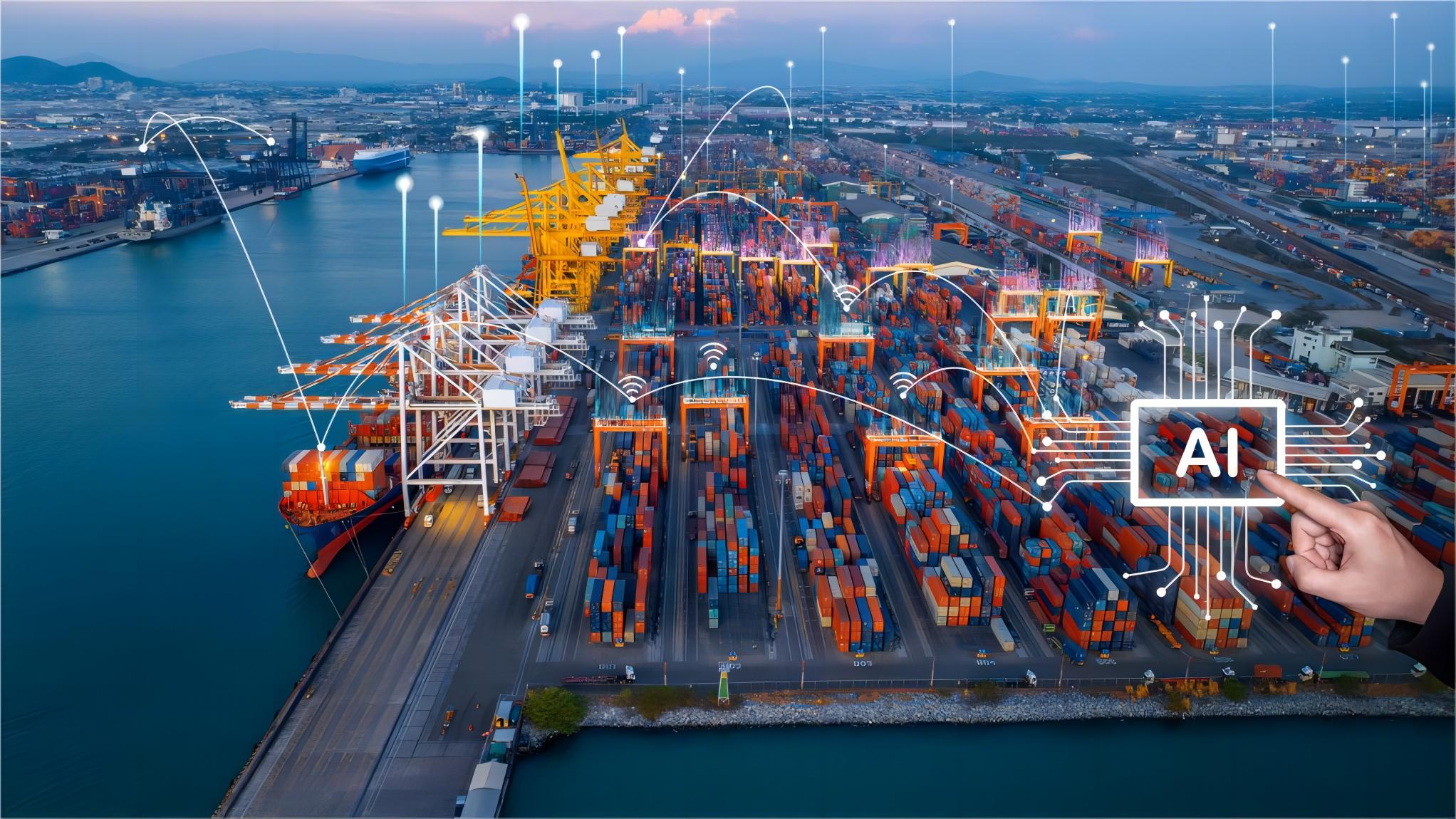
What Are the Current China Container Shipping FCL LCL Rates in 2026?
Freight rates in early 2026 have shown remarkable stability compared to the volatility of previous years. Market data suggests that a 40HQ container from Shanghai to Los Angeles currently ranges between $2,800 and $3,800. Meanwhile, shipments to European ports like Rotterdam or Hamburg are hovering between $3,000 and $4,200 depending on the carrier and service speed. These prices reflect current fuel surcharges and the steady demand for consumer goods across Western markets.
LCL pricing is generally calculated per cubic meter (CBM) or per 1,000 kilograms, whichever is greater. As of Q1 2026, LCL rates from China to major global hubs range from $50 to $95 per CBM. It is important to remember that these base rates do not include destination charges or customs brokerage fees, which must be factored into your total landed cost. Consequently, always request a comprehensive quote that breaks down all potential surcharges.
| Destination Route | 20GP Container | 40HQ Container | LCL (per CBM) |
|---|---|---|---|
| China to USA West | $1,500 – $2,200 | $2,800 – $3,800 | $50 – $75 |
| China to Europe | $1,800 – $2,500 | $3,000 – $4,200 | $65 – $90 |
| China to Australia | $800 – $1,200 | $1,400 – $2,000 | $45 – $60 |
| China to UK | $2,000 – $2,800 | $3,500 – $4,500 | $70 – $95 |
How Does Sea Freight Compare to Other Shipping Options?
Evaluating the best transport mode requires a careful analysis of cost, speed, and reliability. While sea freight remains the most economical choice for bulk cargo, it cannot compete with the speed of air transport. For example, a shipment from Shenzhen to London takes roughly 35 days by sea but only 5 to 7 days via air. Therefore, businesses must weigh the 80% cost savings of ocean freight against the urgent need for inventory replenishment.
Rail freight has emerged as a middle-ground solution, particularly for shipments to Europe. It offers a transit time of 18 to 22 days, which is significantly faster than sea freight and much cheaper than air freight. Furthermore, the development of the New Silk Road has improved the consistency of rail schedules. Nevertheless, sea freight continues to dominate the global logistics service sector due to its massive capacity and ability to handle oversized or hazardous materials.
Hybrid solutions like sea-air are also gaining popularity in 2026 for cargo originating in China. This involves shipping goods by sea to a hub like Dubai or Singapore and then flying them to the final destination. This strategy effectively reduces transit time by 40% compared to pure sea freight while keeping costs manageable. Accordingly, savvy logistics managers often mix these modes to optimize their supply chain resilience.
| Shipping Method | Cost Range | Transit Time | Best For |
|---|---|---|---|
| Sea Freight (FCL) | Low | 30 – 45 Days | Bulk Inventory |
| Air Freight | Very High | 3 – 7 Days | Urgent Goods |
| Rail Freight | Medium | 15 – 22 Days | China-Europe |
| Express Service | High | 2 – 5 Days | Small Samples |
Which Option Should You Choose for Your Business?
Budget priority dictates that sea freight is almost always the preferred choice for non-urgent shipments. If your primary goal is to minimize the landed cost per unit, FCL shipping provides the most significant economies of scale. Additionally, for smaller volumes, LCL allows you to maintain stock levels without overextending your capital. Without a doubt, the cost-to-speed ratio of ocean freight is difficult to beat for standard consumer products.
Speed priority becomes the deciding factor when dealing with seasonal trends or stockouts. If your products are high-value electronics or fashion items with a short shelf life, the higher cost of air or rail freight is often justified. Moreover, using a door to door service can further streamline the process by handling the entire journey from the factory to your warehouse. Consequently, your choice should align with your specific inventory turnover targets.
Cargo type considerations also play a vital role in the decision-making process. Heavy machinery and raw materials are naturally suited for sea freight containers. In contrast, sensitive laboratory equipment or perishable goods may require the climate-controlled environments found in specialized air or express shipping. Indeed, a professional logistics provider will help you evaluate these technical requirements to ensure the safety of your cargo.
Real-World Case Studies of China Shipping in 2026
Case Study 1: Electronics Distribution to North America. A mid-sized retailer needed to move 22 CBM of consumer electronics from Shenzhen to Los Angeles. Given the volume, they opted for a 40GP FCL shipment. The total ocean freight cost was $2,950, with a transit time of 16 days. By choosing FCL over LCL, they saved approximately $400 in handling fees and reduced the risk of transit damage.
Case Study 2: Furniture Import to Australia. A boutique furniture store imported 8 CBM of handmade tables from Ningbo to Sydney. They utilized an LCL service at a rate of $55 per CBM. The total door-to-door cost, including customs and local delivery, amounted to $1,850. The shipment arrived in 20 days, allowing the business to restock its showroom without the expense of a full container.
Case Study 3: Amazon FBA Restock to Germany. A high-volume seller required a fast restock of 500kg of kitchenware from Ningbo to a warehouse in Hamburg. They utilized Amazon FBA logistics via rail freight to balance cost and speed. The transit took 21 days at a cost of $2.50 per kg, ensuring the products were live before the peak summer shopping season.
Key Factors Influencing Your Shipping Costs
Fuel surcharges, often referred to as the Bunker Adjustment Factor (BAF), remain a significant variable in 2026. As global energy prices fluctuate, carriers adjust these fees monthly to cover the cost of low-sulfur fuels. Furthermore, seasonal demand during the Golden Week in October or the lead-up to the Lunar New Year can cause rates to spike by 20% or more. Planning your shipments at least 4 to 6 weeks in advance is essential to avoid these peak-season surcharges.
Port congestion and labor availability also impact the final price you pay for global logistics service. While major ports in Shanghai and Ningbo have implemented automated systems to increase efficiency, destination ports in the US and Europe occasionally face bottlenecks. Consequently, these delays can lead to demurrage and detention charges if the container is not returned within the allotted free time. Therefore, working with an experienced forwarder who monitors port status in real-time is a major advantage.
Currency fluctuations between the USD and CNY can subtly alter your total shipping expenses over time. Most international freight is quoted in USD, but local charges in China are often settled in Yuan. Additionally, the complexity of your customs documentation can lead to unexpected costs if errors occur. Indeed, ensuring all paperwork is accurate and complete is the best way to prevent costly inspections or storage fees at the terminal.
How to Optimize Your Supply Chain for 2026?
Consolidation is a powerful strategy for businesses that source products from multiple suppliers across China. Instead of shipping several small LCL lots, you can have your forwarder consolidate these goods into a single FCL container at a central warehouse. This approach significantly reduces the cost per unit and simplifies the customs clearance process. Moreover, it gives you greater control over the timing of your inventory arrivals.
Digital tracking tools have become standard for modern global logistics service providers. By utilizing GPS and IoT-enabled containers, you can monitor the exact location and condition of your cargo in real-time. This visibility allows you to provide accurate updates to your customers and better manage your warehouse labor schedules. Consequently, choosing a logistics partner that offers a robust digital platform is no longer a luxury but a necessity.
Sustainability is also a growing concern in the 2026 shipping industry. Many carriers now offer ‘green’ shipping options that utilize biofuels or carbon offset programs. While these services may carry a slight premium, they help your business meet environmental targets and appeal to eco-conscious consumers. Furthermore, optimizing your packaging to reduce wasted space can lower both your carbon footprint and your total shipping costs.
Mastering Your Global Shipping Strategy
Successfully managing your china container shipping fcl lcl rates global logistics service requires a balance of market knowledge, strategic planning, and reliable partnerships. Whether you choose the exclusivity of FCL or the flexibility of LCL, understanding the cost drivers and transit times is vital for your profitability. By staying informed about 2026 market trends and utilizing the right shipping modes, you can build a resilient supply chain that supports your business growth. Remember that the cheapest rate is not always the best value if it compromises the reliability of your deliveries.
Note: Freight rates are subject to change based on fuel costs, carrier capacity, and seasonal demand. Contact us for a current quote tailored to your specific shipment.
Ready to streamline your logistics?
Streamline your international trade today with expert guidance on china container shipping fcl lcl rates global logistics service. Contact our team now to receive a customized quote and optimize your 2026 shipping strategy.
Request Quote