


China Shipping Cost Calculator Freight Air Sea Estimate Tool 2026
Navigating the complexities of international logistics requires precision and up-to-date market intelligence to ensure your supply chain remains profitable. Business owners frequently struggle with fluctuating rates, which is why utilizing a reliable Global China Forwarder provides the necessary transparency for budgeting. This comprehensive guide explores how a china shipping cost calculator freight air sea estimate tool helps you manage expenses while optimizing your delivery schedule in 2026.
What is a China Shipping Cost Calculator Freight Air Sea Estimate Tool?
Modern logistics depends heavily on digital tools that synthesize vast amounts of data to provide real-time pricing for global trade. A china shipping cost calculator freight air sea estimate tool serves as a centralized platform where importers can input cargo dimensions and destinations to receive immediate financial projections. Consequently, these tools have become indispensable for businesses looking to maintain a competitive edge in the 2026 market.
Furthermore, these calculators factor in various components such as fuel surcharges, terminal handling charges, and seasonal demand shifts. By integrating complex algorithms, the tool offers a granular view of your potential landed cost before you even book a shipment. This level of detail allows for better financial planning and reduces the risk of unexpected expenses during the transit process.
Additionally, the most advanced versions of these tools provide comparisons between different modes of transport simultaneously. Whether you are moving small parcels or full containers, having access to an accurate estimate tool ensures you select the most cost-effective method for your specific cargo handling requirements.
How Does This Freight Estimate Tool Calculate Your Shipping Costs?
Calculating international freight rates involves analyzing several variables that influence the final price of moving goods from China to global destinations. The tool typically begins by assessing the weight and volume of your shipment, as these are the primary drivers of cost for both air and sea transport. Moreover, it applies the concept of chargeable weight to ensure that bulky but light items are priced fairly relative to their space consumption.
Insurance and documentation fees are also integrated into the calculation to provide a holistic view of the total investment. For instance, when you choose door to door service, the calculator must account for local trucking at both the origin and destination. Therefore, the more specific data you provide, the more accurate your final estimate will be.
Market volatility is another critical factor that the tool monitors to provide relevant 2026 pricing. As global events impact fuel prices and port operations, the calculator updates its database to reflect current surcharges. This dynamic adjustment ensures that your budget remains realistic despite the ever-changing landscape of international shipping.
Comparing Air Freight and Sea Freight Estimates in 2026
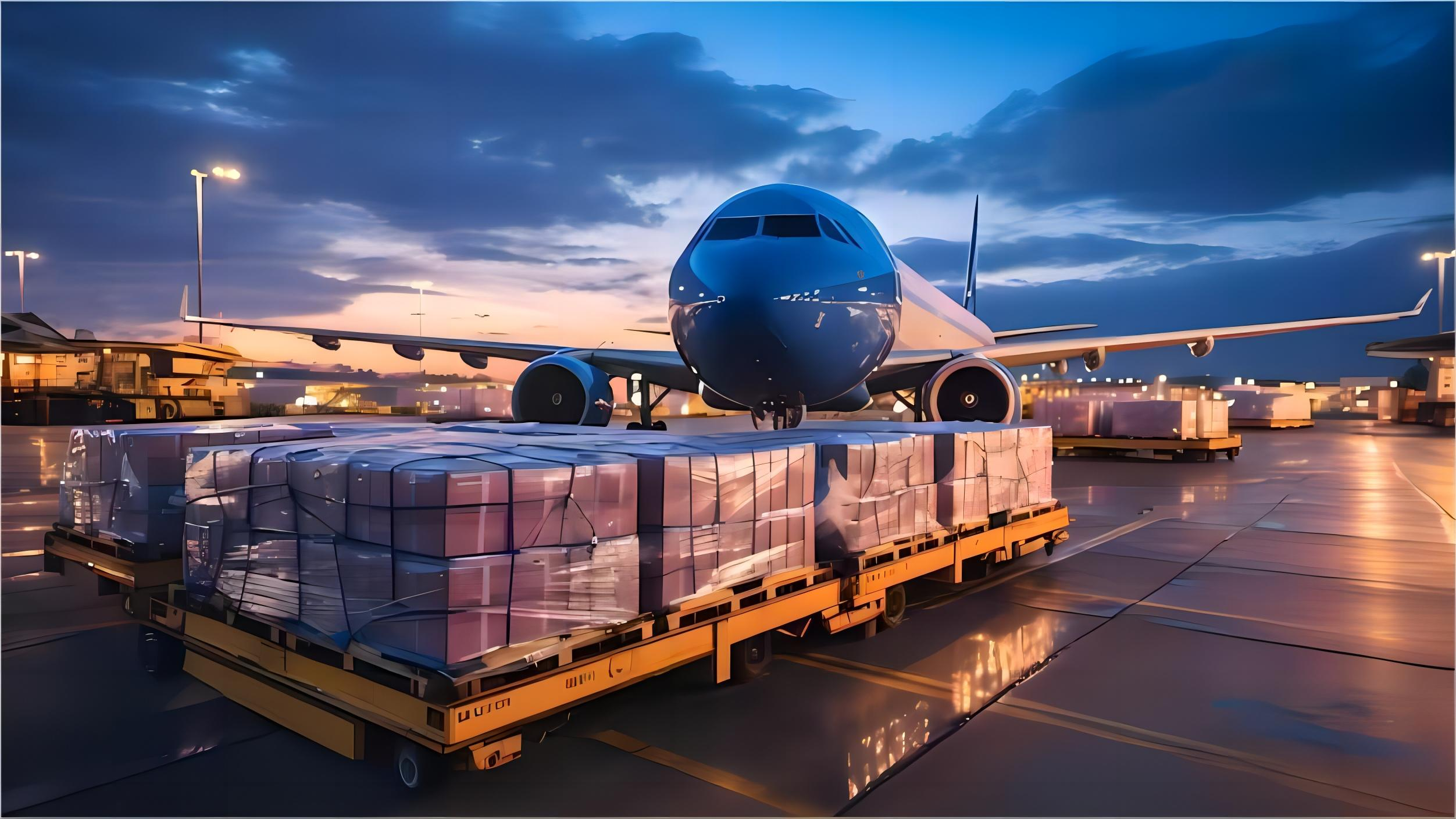
Choosing between different transport modes requires a careful balance of speed and budget constraints. While air freight offers the fastest delivery schedule, it often comes with a significantly higher price tag compared to ocean transport. Consequently, businesses must evaluate the urgency of their inventory needs against the potential savings of slower methods.
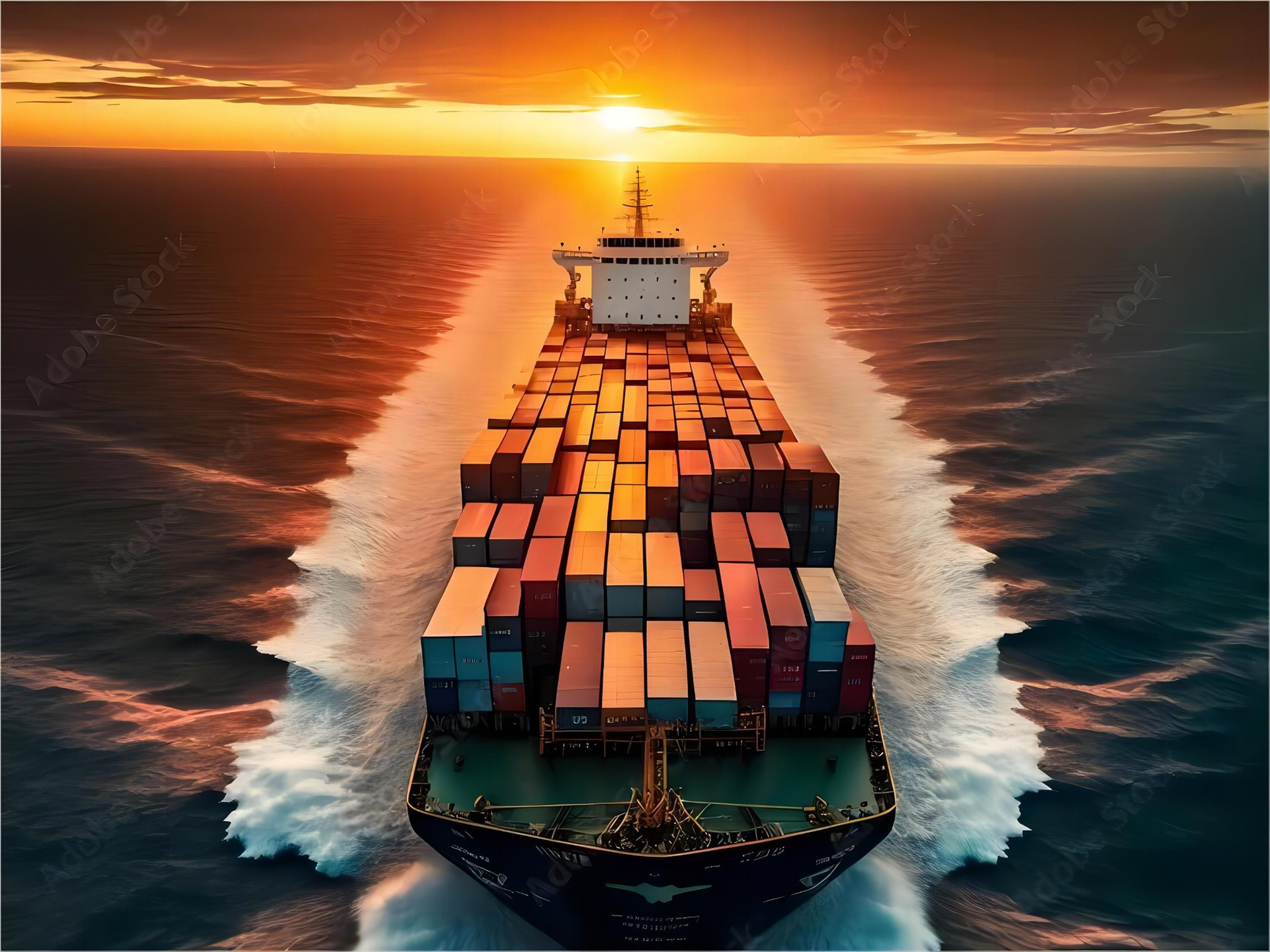
Sea freight remains the backbone of global trade due to its ability to handle massive volumes at a fraction of the cost. For example, large-scale manufacturing components are almost exclusively moved via ocean carriers to keep the landed cost per unit as low as possible. In contrast, high-value electronics or perishable goods often justify the expense of rapid air transit.
Below is a comparison of typical shipping methods and their performance metrics as of early 2026.
| Shipping Method | Cost Level | Transit Time | Best For |
|---|---|---|---|
| Express Service | Very High | 3-5 Days | Urgent Samples |
| Air Freight | High | 5-10 Days | High-Value Goods |
| Rail Freight | Medium | 18-25 Days | Mid-Size Cargo |
| Sea Freight | Low | 30-45 Days | Bulk Shipments |
How Does Sea Freight Compare to Other Shipping Options?
Objective analysis of shipping alternatives is essential for optimizing your logistics budget and meeting customer expectations. Sea freight is often the most economical choice for shipments exceeding 2 cubic meters, yet it faces stiff competition from rail and air solutions in specific scenarios. Therefore, understanding the trade-offs between these modes is vital for strategic supply chain management.
While sea freight costs $1,800 to $2,500 for a 20GP container to Europe, air freight for a similar volume would be prohibitively expensive. However, rail freight offers a middle ground, providing faster transit than sea but at a lower cost than air. Consequently, many importers are adopting hybrid strategies to balance their inventory flow throughout the year.
Market data suggests that direct sea routes cost approximately 10 percent more than transshipment options but can save up to a week in transit time. For businesses with tight deadlines, paying this premium is often more cost-effective than risking a stockout. On the other hand, non-urgent replenishment can be handled via slower, cheaper transshipment routes to maximize margins.
| Shipping Method | Cost Range | Transit Time | Limitations |
|---|---|---|---|
| Sea (FCL) | $1,500-$4,500 | 14-45 Days | Slow Speed |
| Sea (LCL) | $50-$150/CBM | 20-50 Days | Congestion Risk |
| Air Freight | $4-$9/kg | 5-10 Days | Weight Limits |
| Rail Freight | $80-$160/CBM | 18-25 Days | Land Routes Only |
Realistic Case Studies for Shipping from China in 2026
Examining real-world examples provides a clearer picture of how a china shipping cost calculator freight air sea estimate tool performs in practice. These cases reflect actual market conditions and the various charges associated with international trade. Note: Freight rates are subject to change based on fuel costs, carrier capacity, and seasonal demand. Contact us for a current quote tailored to your specific shipment.
Case Study 1: Electronics to Los Angeles. Route: Shenzhen, China to Los Angeles, USA. Cargo: Consumer Electronics, 15 CBM, 3000 kg. Container: LCL. Shipping Details: Major carrier, Port of Loading: Shenzhen, Port of Discharge: Los Angeles, Route Type: Direct. Cost Breakdown: Ocean Freight: $1,250; Origin Charges: $350; Destination Charges: $450; Customs and Duties: $1,200; Total Landed Cost: $3,250. Timeline: Booking to Loading: 3 days; Sea Transit: 16 days; Customs Clearance: 2 days; Total Door-to-Door: 21 days. Key Insight: Choosing a direct route avoided port congestion in transshipment hubs.
Case Study 2: Industrial Parts to Germany. Route: Ningbo, China to Hamburg, Germany. Cargo: Machine Parts, 28 CBM. Container: 20GP. Shipping Details: COSCO, Port of Loading: Ningbo, Port of Discharge: Hamburg, Route Type: Direct. Cost Breakdown: Ocean Freight: $2,100; Origin Charges: $400; Destination Charges: $550; Customs and Duties: $1,800; Total Landed Cost: $4,850. Timeline: Booking to Loading: 5 days; Sea Transit: 32 days; Customs Clearance: 3 days; Total Door-to-Door: 40 days. Key Insight: Early booking during the Q3 peak season secured a lower rate before the October price hike.
Essential Customs and Documentation for Accurate Estimates
Accurate shipping estimates must include the costs associated with customs brokerage and regulatory compliance. Many first-time importers overlook these fees, leading to significant budget overruns when the cargo arrives at the destination port. Indeed, failing to account for duties and taxes can turn a profitable venture into a financial loss.
Documentation requirements vary by country and product type, which directly impacts the complexity of the clearance process. For instance, shipping to Europe requires specific VAT and EORI registrations that may involve additional administrative costs. Moreover, certain goods require specialized inspections or certifications that the estimate tool should ideally flag.
Transitioning smoothly through customs requires proactive preparation of the Commercial Invoice, Packing List, and Bill of Lading. Consequently, working with an experienced forwarder ensures that all paperwork is filed correctly, minimizing the risk of expensive storage fees at the terminal. These small details are what separate a successful shipment from a logistical nightmare.

Which Shipping Option Should You Choose?
Determining the best logistics strategy depends on your specific business priorities and the nature of your products. If your primary goal is budget optimization, sea freight is almost always the superior choice for large volumes. However, if you are launching a new product or responding to a sudden surge in demand, the speed of air transport may be worth the investment.
Volume thresholds also play a major role in the decision-making process for most importers. For shipments under 100 kg, express service often provides the best value due to its all-inclusive nature and minimal documentation requirements. Conversely, once a shipment exceeds 15 CBM, booking a full container becomes more economical than consolidated LCL options.
Cargo type considerations are equally important when selecting a shipping method. Fragile or high-value items benefit from the reduced handling associated with air freight, whereas heavy industrial equipment is better suited for the robust infrastructure of ocean vessels. By analyzing these factors, you can develop a balanced approach that meets both your financial and operational goals.
Mastering Your Logistics Costs in 2026
To summarize, successfully managing international trade requires a deep understanding of the various factors that influence freight rates. By utilizing a china shipping cost calculator freight air sea estimate tool, you can gain the visibility needed to make informed decisions about your transport modes. This proactive approach allows you to anticipate costs and avoid common pitfalls in the shipping process.
Furthermore, balancing speed, cost, and reliability is the key to maintaining a healthy supply chain in the competitive 2026 market. Whether you choose sea, air, or rail, having a clear estimate of your expenses ensures that your business remains agile and profitable. Start planning your next shipment with confidence and leverage the right tools to achieve long-term success.

Ready to streamline your logistics?
Take control of your logistics budget today by using our advanced china shipping cost calculator freight air sea estimate tool for your next project. Whether you are shipping to North America, Europe, or Australia, our team provides the expertise needed to streamline your supply chain. Contact Global China Forwarder now to receive a personalized quote and discover how we can optimize your international trade operations. Send Inquiry: https://globalchinaforwarder.com/
Request Quote