

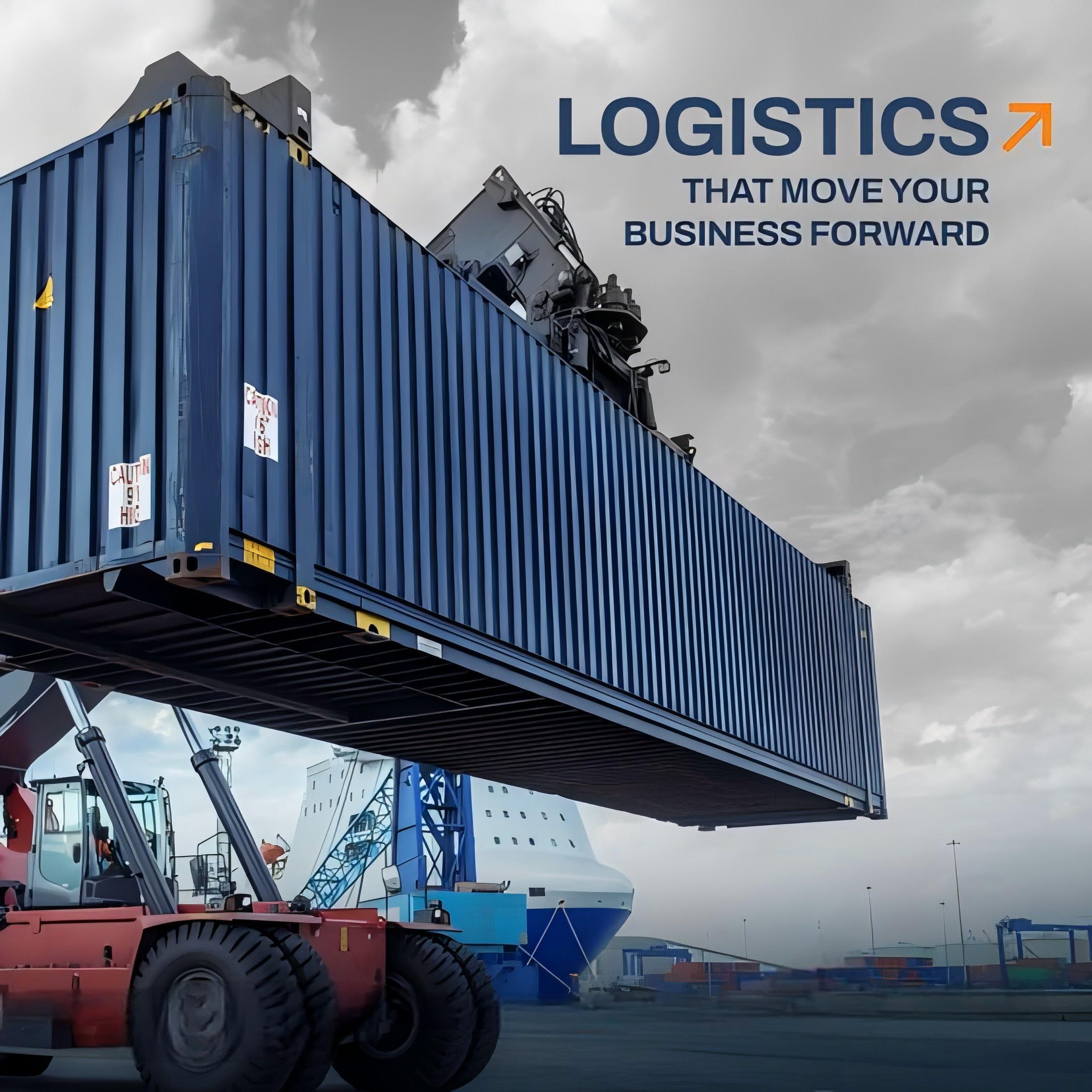
China to Nigeria Logistics Company Customs Clearance Shipping 2026 Guide
Navigating the complexities of international trade requires a reliable china to nigeria logistics company customs clearance shipping partner to ensure your supply chain remains uninterrupted. Importers often struggle with fluctuating freight rates and the intricate regulatory environment of Nigerian ports. Consequently, finding a professional forwarder who understands the local landscape is essential for business success in 2026. This comprehensive guide provides everything you need to know about shipping methods, costs, and clearing procedures for the current market.
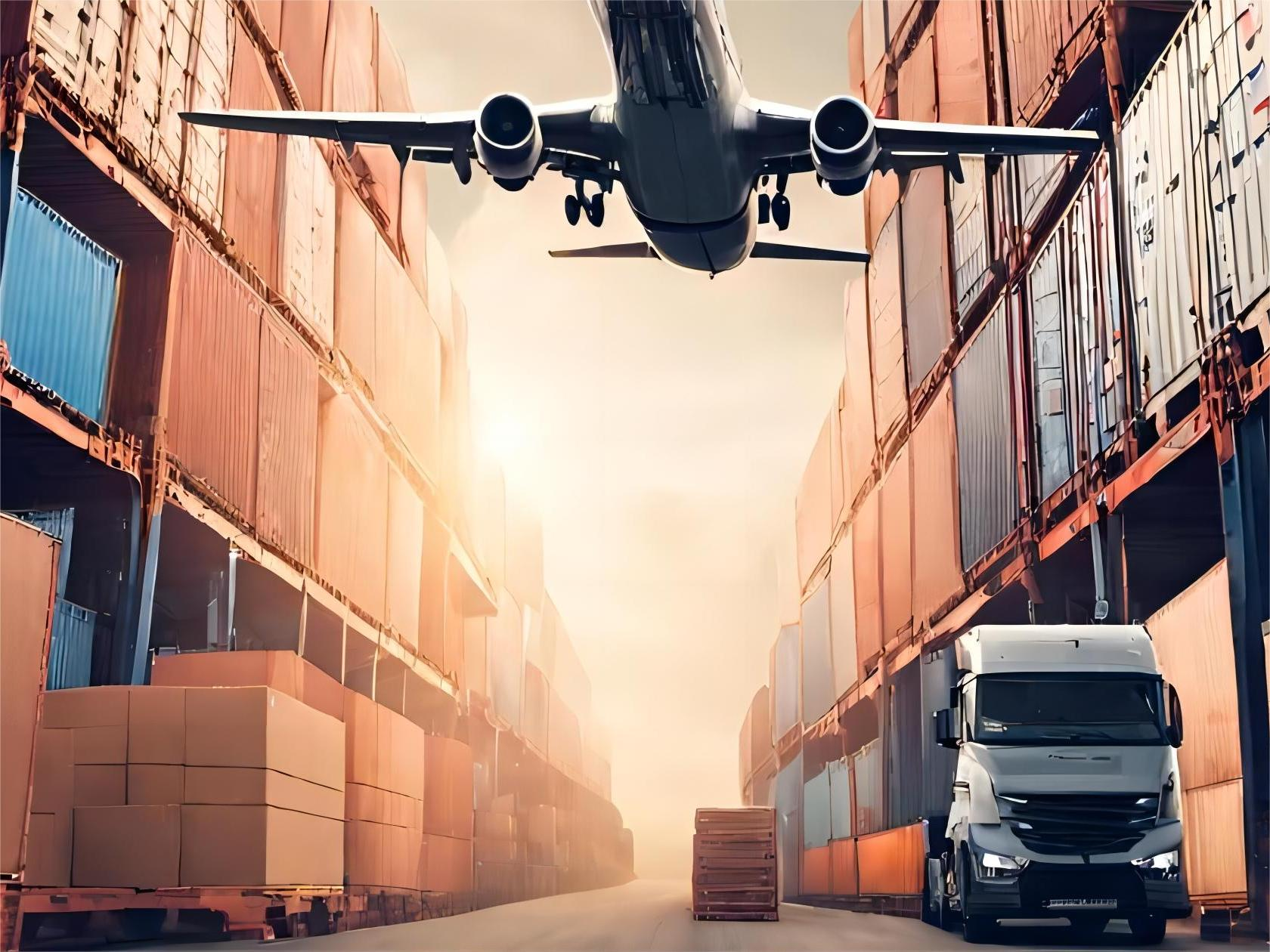
Why Choose a Specialized China to Nigeria Logistics Company?
Professional logistics companies provide the necessary infrastructure to handle diverse cargo types while minimizing transit delays. Since the Nigerian market is unique, having a partner with local offices in Lagos or Onne is a significant advantage. Furthermore, these experts manage the entire process from factory pickup in China to final delivery at your warehouse.
Reliable forwarders offer real-time tracking and dedicated support to keep you informed at every stage of the journey. In addition, they help mitigate risks associated with port congestion and sudden policy changes. Therefore, investing in a specialized service provider reduces the overall stress of importing goods from Chinese manufacturing hubs.
Choosing an experienced partner also means gaining access to better freight rates through established carrier relationships. Moreover, they can provide advice on packaging and consolidation to save you money. Indeed, the right logistics company acts as an extension of your own business operations.
Navigating Customs Clearance in Nigeria for 2026
Customs clearance remains one of the most challenging aspects of importing goods into Nigeria due to strict documentation requirements. You must ensure that all shipments comply with the latest 2026 guidelines issued by the Nigeria Customs Service. Consequently, utilizing professional customs brokerage services is highly recommended to avoid costly penalties.
Importers are required to provide several key documents, including the Bill of Lading, Commercial Invoice, and Packing List. Additionally, the Form M and Pre-Arrival Assessment Report (PAAR) are critical for clearing goods through the Nigerian Single Window. Without a doubt, missing any of these documents can lead to significant demurrage charges at the port.
Standard Organization of Nigeria Conformity Assessment Program (SONCAP) certificates are also mandatory for most manufactured goods. Meanwhile, certain items like food and drugs require NAFDAC registration before they can be legally imported. Therefore, verifying your product compliance early in the process is vital for a smooth arrival.
How Does Sea Freight Compare to Other Shipping Options?
For large volumes of cargo, sea freight continues to be the most economical choice for Nigerian businesses in 2026. While it takes longer than other methods, the cost per unit is significantly lower for bulk shipments. As a result, most industrial machinery and consumer electronics move via ocean routes.
You can choose between Full Container Load (FCL) and Less than Container Load (LCL) depending on your shipment size. FCL is ideal for businesses that can fill a 20ft or 40ft container, offering better security and faster handling. On the other hand, LCL allows smaller importers to share container space and only pay for the volume they use.
Transit times from major Chinese ports like Shenzhen or Ningbo to Lagos typically range from 35 to 45 days. However, factors such as transshipment via Singapore or Colombo can occasionally extend this duration. In contrast, direct sailings are faster but often come with a premium price tag.
| Shipping Method | Cost Range (Est.) | Transit Time | Best For |
|---|---|---|---|
| Sea Freight (FCL) | $4,500 – $7,500 | 35-45 Days | Bulk & Large Goods |
| Air Freight | $7 – $13 per KG | 5-9 Days | High-Value & Urgent |
| Express Service | $12 – $20 per KG | 3-5 Days | Samples & Documents |
| Sea-Air Hybrid | $4 – $6 per KG | 18-22 Days | Balanced Cost/Speed |
Air Freight Solutions for Urgent Nigerian Cargo
When time is of the essence, air freight provides the fastest way to transport goods from China to Nigeria. This method is particularly suitable for high-value items, perishable goods, or urgent spare parts needed for manufacturing. Furthermore, air transport offers enhanced security and lower risk of damage compared to sea routes.
Most air shipments arrive at Murtala Muhammed International Airport in Lagos or Nnamdi Azikiwe International Airport in Abuja. From there, goods can be cleared and distributed to various regions across the country. Additionally, using air freight reduces the need for extensive warehousing, as inventory turnover is much faster.
While the cost is higher than ocean transport, the speed can justify the expense for time-sensitive projects. For instance, launching a new product line often requires an initial air shipment to meet market demand while the bulk arrives by sea later. Consequently, many businesses use a mix of both methods to balance their budgets.
The Benefits of Door to Door Logistics Services
Modern importers increasingly prefer door to door solutions because they simplify the entire supply chain. This service covers everything from factory pickup in China to final delivery at your specified Nigerian address. As a result, you do not have to worry about coordinating between multiple vendors or handling port logistics yourself.
This comprehensive approach includes inland trucking in China, international shipping, and the final last-mile delivery in Nigeria. Moreover, the logistics provider handles all customs clearance and duty payments on your behalf. Therefore, you receive a single invoice that covers all costs, making financial planning much easier.
For small and medium enterprises, this service is especially valuable as it removes the technical barriers to international trade. Indeed, it allows you to focus on selling your products rather than managing freight schedules. Consequently, door-to-door services have become the standard for e-commerce and retail importers in 2026.
Which Shipping Option Should You Choose?
Choosing the right shipping method depends on your budget, cargo volume, and required delivery speed. If you are shipping more than 15 cubic meters of goods, FCL sea freight is almost always the best option. However, for shipments under 100kg, express service or air freight may be more practical.
Budget-conscious importers should prioritize sea freight and plan their inventory several months in advance. In contrast, those with high-margin products or tight deadlines should consider air freight despite the higher costs. Additionally, you should evaluate the nature of your cargo, as hazardous materials or oversized items may have limited shipping options.
Hybrid solutions like sea-air via Dubai are also gaining popularity for the China-Nigeria route in 2026. This method offers a middle ground, being faster than sea freight but significantly cheaper than pure air freight. To summarize, analyze your specific needs and consult with your logistics partner to find the most efficient path.
Real-World Case Studies for China-Nigeria Routes
Case Study 1: Electronics Distribution. A Lagos-based retailer needed to import 500kg of smartphones from Shenzhen. They chose air freight to ensure the latest models hit the shelves before the competition. The shipment took 7 days door-to-door, with a total landed cost of $5,800, allowing for a quick market entry.
Case Study 2: Industrial Machinery. A construction firm in Abuja imported a 40ft container of heavy equipment from Ningbo. They utilized FCL sea freight to minimize costs, resulting in a 42-day transit time. Despite the longer wait, the sea route saved them over $15,000 compared to air alternatives, fitting their long-term project schedule.
Case Study 3: Spare Parts Urgency. A manufacturing plant in Kano faced a production halt due to a broken component. They used express courier service to fly in a 5kg part from Shanghai. The part arrived and cleared customs in just 4 days, preventing thousands of dollars in potential downtime losses.

Cost-Saving Strategies for 2026 Shipping
Reducing your logistics expenses requires a proactive approach to shipment planning and consolidation. For instance, combining multiple small orders from different Chinese suppliers into a single LCL shipment can significantly lower your costs. Additionally, booking your shipments at least two weeks in advance helps you secure better rates before peak season spikes.
Optimizing your packaging to reduce wasted space is another effective way to save money, especially for air freight where volume weight applies. Furthermore, always double-check your HS codes to ensure you are paying the correct duty rates and not overpaying. Meanwhile, maintaining a good relationship with a single logistics provider can lead to volume discounts over time.
It is also wise to monitor currency exchange rates and fuel surcharges, as these can impact your final bill. Consequently, asking for a detailed breakdown of all charges helps you identify areas where you can trim costs. Finally, staying compliant with all Nigerian customs regulations prevents expensive fines and storage fees.
Mastering Your China to Nigeria Supply Chain
Successfully managing a china to nigeria logistics company customs clearance shipping operation requires a blend of local knowledge and global expertise. By selecting the right shipping method and ensuring all documentation is accurate, you can avoid the common pitfalls of international trade. Whether you choose the speed of air freight or the economy of sea freight, a professional partner is your greatest asset.
As we move through 2026, staying informed about market trends and regulatory changes will remain crucial for Nigerian importers. We encourage you to implement the cost-saving strategies discussed and choose a logistics service that aligns with your business goals. Start your journey today with a reliable forwarder and watch your business grow in the vibrant Nigerian market.
Start Your Shipment
Ready to streamline your imports? Contact our expert team today for a customized quote on your china to nigeria logistics company customs clearance shipping needs. Visit our website to get started with a free freight consultation. Send Inquiry: Visit globalchinaforwarder.com
Request Quote