

China to Australia Sea Freight Container Shipping Logistics: 2026 Guide
Optimizing your international trade routes requires a deep understanding of modern supply chain dynamics. Navigating Global China Forwarder solutions ensures that your business remains competitive in a fast-paced global economy. China to australia sea freight container shipping logistics serves as the primary artery for goods flowing into the Australian market in 2026. This comprehensive guide explores the strategic nuances of ocean transport to help you minimize costs and maximize delivery reliability.
How Does China to Australia Sea Freight Container Shipping Logistics Work in 2026?
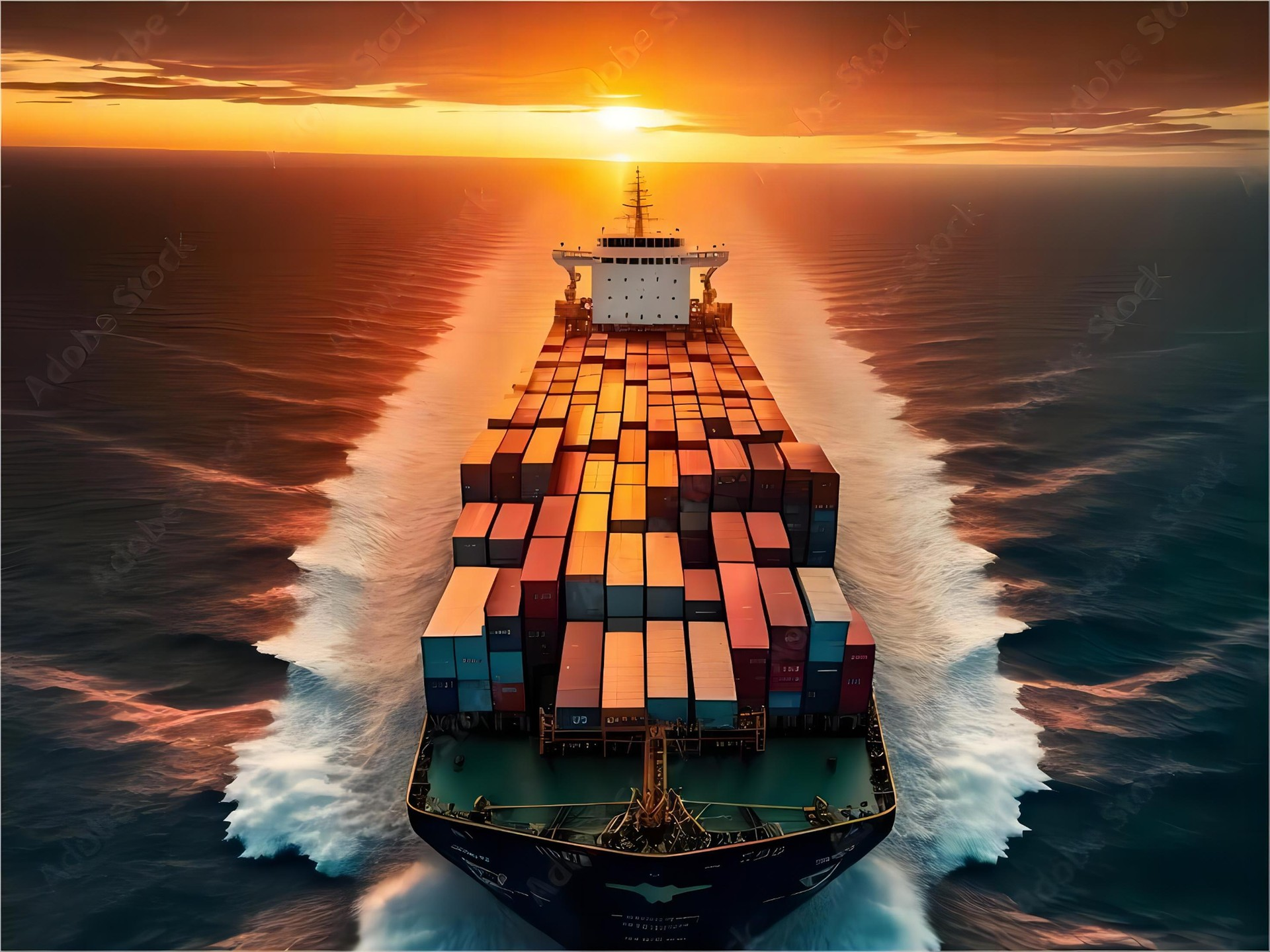
Modern maritime transport between these two major trading partners involves a highly synchronized network of ports, carriers, and inland transportation. Shipping companies have integrated advanced tracking technologies to provide real-time visibility into cargo movements across the Pacific. Furthermore, the infrastructure at major Chinese hubs like Shanghai and Ningbo-Zhoushan has reached record efficiency levels this year. Consequently, businesses can expect more predictable schedules despite occasional seasonal fluctuations in demand.
Choosing the right service level is the first step in managing your logistics effectively. Most importers utilize either specialized freight forwarders or direct carrier contracts depending on their monthly volume. Meanwhile, the role of digital documentation has streamlined the booking process significantly compared to previous years. Therefore, understanding the technical requirements of the route is essential for any successful import operation.
What Are the Main Benefits of Full Container Load (FCL) Shipping?
Selecting a full container offers the highest level of security and speed for large-scale shipments. Utilizing sea freight in an FCL capacity means your goods occupy the entire space of a 20ft or 40ft container. This method minimizes handling because the container is sealed at the point of origin and remains closed until it reaches its final destination. Additionally, FCL typically results in faster transit times because there is no need to wait for other shippers to fill the remaining space.
Cost considerations for FCL are often more straightforward than other methods. You pay a flat rate for the container regardless of how much cargo is inside, provided it stays within weight limits. Indeed, this becomes the most economical choice once your volume exceeds approximately 15 cubic meters. Moreover, the risk of damage is significantly reduced as your cargo does not share space with potentially incompatible goods from other suppliers.
Why Choose Less than Container Load (LCL) for Smaller Cargo?
Small and medium enterprises often find LCL to be the most flexible solution for their inventory needs. This method allows multiple shippers to share space within a single container, making it possible to move smaller volumes without paying for an entire unit. For instance, if you are only moving a few pallets of electronics, LCL provides a cost-effective entry point into the Australian market. However, it is important to account for slightly longer transit times due to the consolidation and deconsolidation processes at the ports.
Pricing for LCL is calculated based on the volume of your cargo, typically per cubic meter. While the unit cost is higher than FCL, the total outlay for small shipments is significantly lower. Furthermore, using a reliable door to door service for LCL can simplify the complex local logistics involved in Australian delivery. Nevertheless, shippers must ensure their packaging is robust enough to withstand the extra handling associated with shared containers.
| Feature | FCL (Full Container) | LCL (Shared Container) | Recommendation |
|---|---|---|---|
| Ideal Volume | Over 15 CBM | 1 to 15 CBM | FCL for bulk goods |
| Security | Maximum (Sealed) | Moderate (Shared) | FCL for fragile items |
| Transit Time | Fastest Sea Option | 3-5 days longer | FCL for urgent sea |
| Cost Structure | Flat per container | Per cubic meter (CBM) | LCL for small trials |
How Does Sea Freight Compare to Other Shipping Options?
Analyzing the trade-offs between different transport modes is vital for budget management and meeting customer expectations. While sea freight is the most common method for bulky items, air freight remains the preferred choice for time-sensitive or high-value commodities. For example, moving a ton of cargo via air might take five days but cost five times more than the ocean alternative. In contrast, sea freight provides the necessary scale for industrial machinery and retail stock that does not require immediate delivery.
Hybrid solutions are also gaining traction in the 2026 logistics market. Some companies utilize sea-air combinations to balance cost and speed, especially when transshipment hubs in Southeast Asia are utilized effectively. However, for the China to Australia corridor, the lack of rail options makes the choice primarily between sea and air. Accordingly, businesses must evaluate their inventory turnover rates to decide which method aligns best with their financial goals.
| Method | Cost Range | Transit Time | Best For |
|---|---|---|---|
| Sea Freight | $800 – $2,000 | 12 – 25 Days | Bulk / Heavy Goods |
| Air Freight | $4.50 – $8.00/kg | 3 – 7 Days | Urgent / High Value |
| Express | $6.00 – $10.00/kg | 2 – 5 Days | Documents / Samples |
| Sea-Air | $2.50 – $4.00/kg | 10 – 14 Days | Mid-range urgency |
Which Option Should You Choose?
Deciding on the best logistics strategy depends on several key variables including budget, urgency, and cargo type. If your primary goal is cost reduction and you have a lead time of at least four weeks, sea freight is the clear winner. Conversely, if you are launching a new product and need to hit a specific retail date, the speed of air transport might justify the higher expense. For most businesses, a mix of both methods allows for a resilient and responsive supply chain.
Volume thresholds often dictate the transition from LCL to FCL. Once your shipment reaches 15 cubic meters, the cost of a 20GP container usually becomes cheaper than paying for individual CBM rates in LCL. Additionally, consider the nature of your goods; hazardous materials or extremely heavy items often have specific maritime regulations that make sea freight the only viable option. Always consult with a professional to determine the most efficient path for your specific SKU profile.
What Are the Critical Ports for China to Australia Sea Freight Container Shipping Logistics?
Strategic port selection can significantly influence your total transit time and local trucking costs. China boasts some of the world’s most advanced ports, with Shanghai, Shenzhen, and Ningbo serving as the primary exit points for Australian trade. Specifically, Australia bound cargo often departs from southern Chinese ports like Guangzhou or Shenzhen to take advantage of shorter sailing distances. These ports offer multiple weekly departures, providing shippers with excellent flexibility for their production schedules.
Australian discharge ports are equally important for minimizing inland transport expenses. Sydney (Port Botany), Melbourne, and Brisbane handle the majority of containerized traffic from China. For instance, if your warehouse is located in New South Wales, shipping directly to Sydney is more efficient than railing goods from Melbourne. Moreover, Western Australia is primarily served through the Port of Fremantle, which often has different transit times compared to the East Coast ports due to the sailing routes across the Indian Ocean.
Which Documents Are Required for Australian Customs Clearance?
Navigating the regulatory environment in Australia requires precise documentation to avoid costly delays and penalties. A professional customs brokerage service is often indispensable for ensuring compliance with the Australian Border Force. The essential paperwork includes the Bill of Lading, Commercial Invoice, and a detailed Packing List. Furthermore, Australia has strict biosecurity laws, meaning a Packing Declaration and, in some cases, a Fumigation Certificate are mandatory for certain wood-based packing materials.
Accuracy in tariff classification is another critical aspect of the import process. Using the correct HS codes ensures that you pay the appropriate duties and taxes, such as the Goods and Services Tax (GST). Additionally, the China-Australia Free Trade Agreement (ChAFTA) allows for reduced or zero tariffs on many goods, provided you have a valid Certificate of Origin. Consequently, taking the time to prepare these documents correctly at the start can save thousands of dollars in potential fines and storage fees.
| Document | Purpose | Provider | Requirement |
|---|---|---|---|
| Bill of Lading | Title to goods | Carrier | Mandatory |
| Commercial Invoice | Valuation for duty | Shipper | Mandatory |
| Packing Declaration | Biosecurity check | Shipper | Mandatory |
| Cert. of Origin | ChAFTA duty relief | Exporter | Optional/Recommended |
How Can Businesses Reduce Shipping Costs in the Current Market?
Implementing cost-saving strategies is essential for maintaining healthy margins in 2026. One effective approach is to consolidate shipments from multiple suppliers into a single FCL container. This reduces the number of separate entries and local handling fees at the destination. Moreover, booking your shipments at least 2-3 weeks in advance can help you secure lower freight rates before capacity tightens during peak periods. Indeed, proactive planning is often the difference between a profitable shipment and an expensive logistical headache.
Optimizing your packaging can also lead to significant savings, especially for LCL cargo. Reducing the dimensions of your pallets or using stackable crates ensures you are not paying for empty space. Additionally, choosing off-peak shipping windows, such as the weeks immediately following the Lunar New Year, can provide access to much lower rates. Finally, always request multiple quotes to ensure your provider is offering competitive market pricing consistent with current industry benchmarks.
Real-World Case Studies: China to Australia Logistics Success
Examining actual shipping scenarios provides valuable context for your own logistics planning. These examples reflect the market conditions of early 2026 and demonstrate how different strategies impact the final landed cost. Whether you are moving electronics or heavy machinery, these cases highlight the importance of choosing the right container type and route.
Case Study 1: Shenzhen to Sydney. Cargo: Consumer Electronics, 18 CBM, 4500 kg. Container: 20GP. Shipping Details: Direct service via major carrier. Port of Loading: Shenzhen. Port of Discharge: Sydney. Cost Breakdown: Ocean Freight $1,150, Origin Charges $250, Destination Charges $400, Customs Duties $1,200 (estimated). Total Landed Cost: $3,000. Timeline: Booking to Loading 4 days, Sea Transit 14 days, Customs 2 days, Total Door-to-Door 20 days. Key Insight: Switching from LCL to FCL saved the client 15 percent on total logistics costs.
Case Study 2: Shanghai to Melbourne. Cargo: Flat-pack Furniture, 65 CBM, 12000 kg. Container: 40HQ. Shipping Details: Transshipment via Singapore. Port of Loading: Shanghai. Port of Discharge: Melbourne. Cost Breakdown: Ocean Freight $1,900, Origin Charges $350, Destination Charges $550, Customs Duties $2,500. Total Landed Cost: $5,300. Timeline: Booking to Loading 6 days, Sea Transit 21 days, Customs 3 days, Total Door-to-Door 30 days. Key Insight: Transshipment offered a $300 saving compared to direct routes, suitable for non-urgent inventory replenishment.
Mastering Your Australia-Bound Logistics
Successfully managing china to australia sea freight container shipping logistics requires a balance of strategic planning and tactical execution. By choosing between FCL and LCL based on volume, ensuring meticulous documentation, and selecting the right ports, you can significantly improve your bottom line. Transitioning to 2026 market standards means embracing digital tools and proactive communication with your forwarder.
As market conditions continue to evolve, staying informed about freight rates and customs regulations remains a top priority. Whether you are a small business or a large corporation, the right logistics partner will help you navigate these complexities with ease. Focus on long-term efficiency and reliability to ensure your products reach the Australian market on time and within budget.
Get Your Shipping Quote Today
Streamline your supply chain today by partnering with experts who understand the intricacies of china to australia sea freight container shipping logistics. Contact us now to receive a customized quote and expert advice on your next shipment. Visit our inquiry page to get started: Visit https://globalchinaforwarder.com/
Request Quote