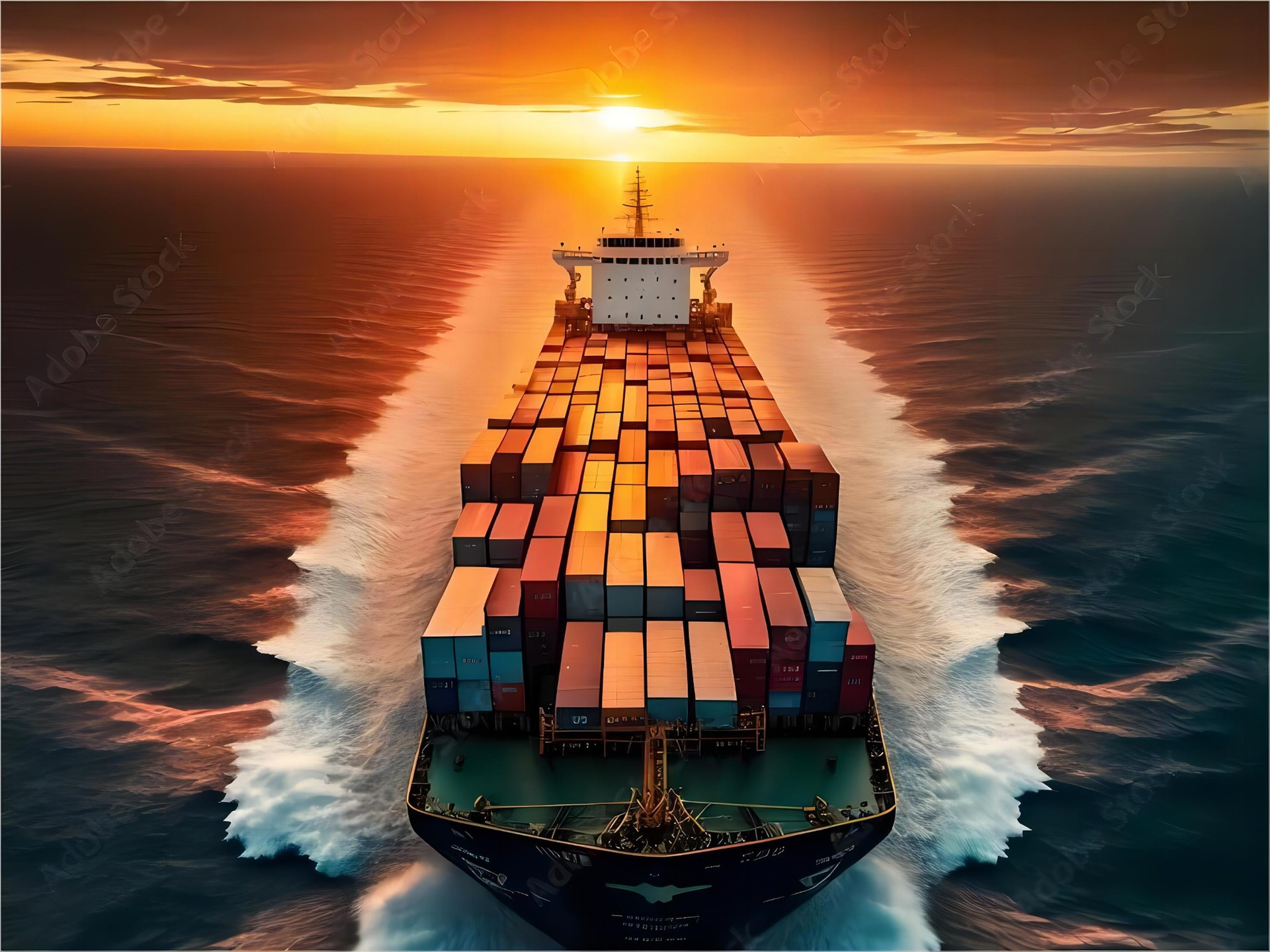


China Sea Freight LCL FCL Shipping Company International Rates 2026
Navigating the complexities of global logistics requires a deep understanding of current market dynamics and pricing structures. As we move through 2026, businesses must adapt to evolving trade lanes and fluctuating fuel costs to maintain a competitive edge. Global China Forwarder provides comprehensive solutions tailored to modern supply chain demands, ensuring your cargo reaches its destination efficiently. This guide explores the essential factors governing China sea freight LCL FCL shipping company international rates to help you optimize your logistics budget.

Understanding China Sea Freight LCL FCL Shipping Company International Rates in 2026
International trade has entered a new phase of stability in 2026 following the disruptions of previous years. Consequently, shippers are now focusing on long-term cost-efficiency and sustainable logistics practices. Understanding how rates are calculated is the first step toward reducing your total landed cost.
Market data suggests that ocean freight remains the backbone of global commerce due to its capacity for heavy and bulky goods. Meanwhile, the choice between Full Container Load and Less than Container Load significantly impacts your bottom line. Professional sea freight services help bridge the gap between complex carrier tariffs and your business needs.
Current market conditions indicate that port efficiency in China has reached record highs this year. Therefore, transit times are more predictable, allowing for better inventory management. Nevertheless, fuel surcharges and seasonal demand still play a major role in determining the final price you pay to a shipping company.
How Does Sea Freight Compare to Other Shipping Options?
Choosing the right transport mode depends heavily on your specific timeline and budget constraints. While ocean transport is often the most economical, it may not suit urgent shipments. In contrast, air freight offers unmatched speed for high-value or time-sensitive cargo.
Moreover, hybrid solutions like sea-air or rail-sea combinations have gained popularity in early 2026. These alternatives provide a middle ground for businesses looking to balance speed and expense. For instance, shipping via rail to Europe remains a viable alternative for many landlocked destinations.
Market intelligence indicates that sea freight costs for 2026 have stabilized at competitive levels. However, air freight remains roughly five to ten times more expensive than ocean transport for the same volume. Use the table below to evaluate which method aligns best with your current shipping strategy.
| Shipping Method | Cost Range | Transit Time | Best For |
|---|---|---|---|
| Sea Freight (FCL) | $1,500 – $5,500 | 14 – 40 Days | Large volumes, bulk goods |
| Sea Freight (LCL) | $50 – $150 per CBM | 20 – 45 Days | Small shipments, samples |
| Air Freight | $4.50 – $9.00 per kg | 3 – 7 Days | Urgent, high-value items |
| Rail Freight | $120 – $250 per CBM | 15 – 22 Days | Mid-range urgency (Europe) |
FCL vs LCL: Which Shipping Method Fits Your Business?
Full Container Load (FCL) involves renting an entire container for your goods alone. This method is generally faster because the container does not need to be opened for consolidation. Additionally, FCL reduces the risk of damage since your cargo is not handled alongside other shippers’ products.
On the other hand, Less than Container Load (LCL) is ideal for smaller volumes that do not fill a standard 20ft or 40ft container. You only pay for the space you use, which is measured in cubic meters. Consequently, LCL allows small and medium-sized enterprises to participate in global trade without massive inventory overhead.
Industry experts suggest that if your shipment exceeds 15 cubic meters, FCL usually becomes more cost-effective. However, for shipments under 10 cubic meters, LCL remains the superior financial choice despite the longer handling times at consolidation hubs. Always consider the total door-to-door transit time when making this decision.

Factors Influencing China Sea Freight LCL FCL Shipping Company International Rates
Several variables contribute to the final quote you receive from an international shipping company. For example, the Bunker Adjustment Factor (BAF) accounts for fluctuations in marine fuel prices. Furthermore, the Peak Season Surcharge (PSS) typically applies during the busy months leading up to the year-end holidays.
Currency fluctuations between the Chinese Yuan and the US Dollar also impact international rates. Indeed, even minor shifts in exchange rates can affect the total landed cost for large-scale importers. It is essential to work with a provider that offers transparent pricing structures to avoid unexpected fees.
Port congestion and equipment availability continue to influence pricing trends in early 2026. While major ports like Shanghai and Ningbo are operating smoothly, smaller regional ports may experience occasional delays. Consequently, choosing the right port of loading can save you both time and money.
Real-World Logistics Case Studies for 2026
Analyzing real-world scenarios provides valuable insight into the actual costs and timelines you can expect. These examples reflect the current market conditions for 2026 across major global trade lanes. Each case highlights the importance of choosing the right container type and shipping route.
Case Study 1: Shenzhen to Los Angeles. Route: Shenzhen -> Long Beach. Cargo: Consumer Electronics, 65 CBM, 12,000 kg. Container: 40HQ. Shipping Details: Direct via Major Carrier. Cost Breakdown: Ocean Freight: $3,200. Origin Charges: $450. Destination Charges: $600. Customs: $1,200. Total Landed Cost: $5,450. Timeline: 16 Days Door-to-Door. Key Insight: Direct routing saved 5 days compared to transshipment.
Case Study 2: Ningbo to Hamburg. Route: Ningbo -> Hamburg. Cargo: Home Furniture, 8 CBM, 2,500 kg. Container: LCL. Shipping Details: Transshipment via Singapore. Cost Breakdown: Ocean Freight: $880. Origin Charges: $200. Destination Charges: $350. Customs: $500. Total Landed Cost: $1,930. Timeline: 34 Days Door-to-Door. Key Insight: LCL was 40% cheaper than booking a full 20GP container for this volume.
Note: Freight rates are subject to change based on fuel costs, carrier capacity, and seasonal demand. Contact us for a current quote tailored to your specific shipment.
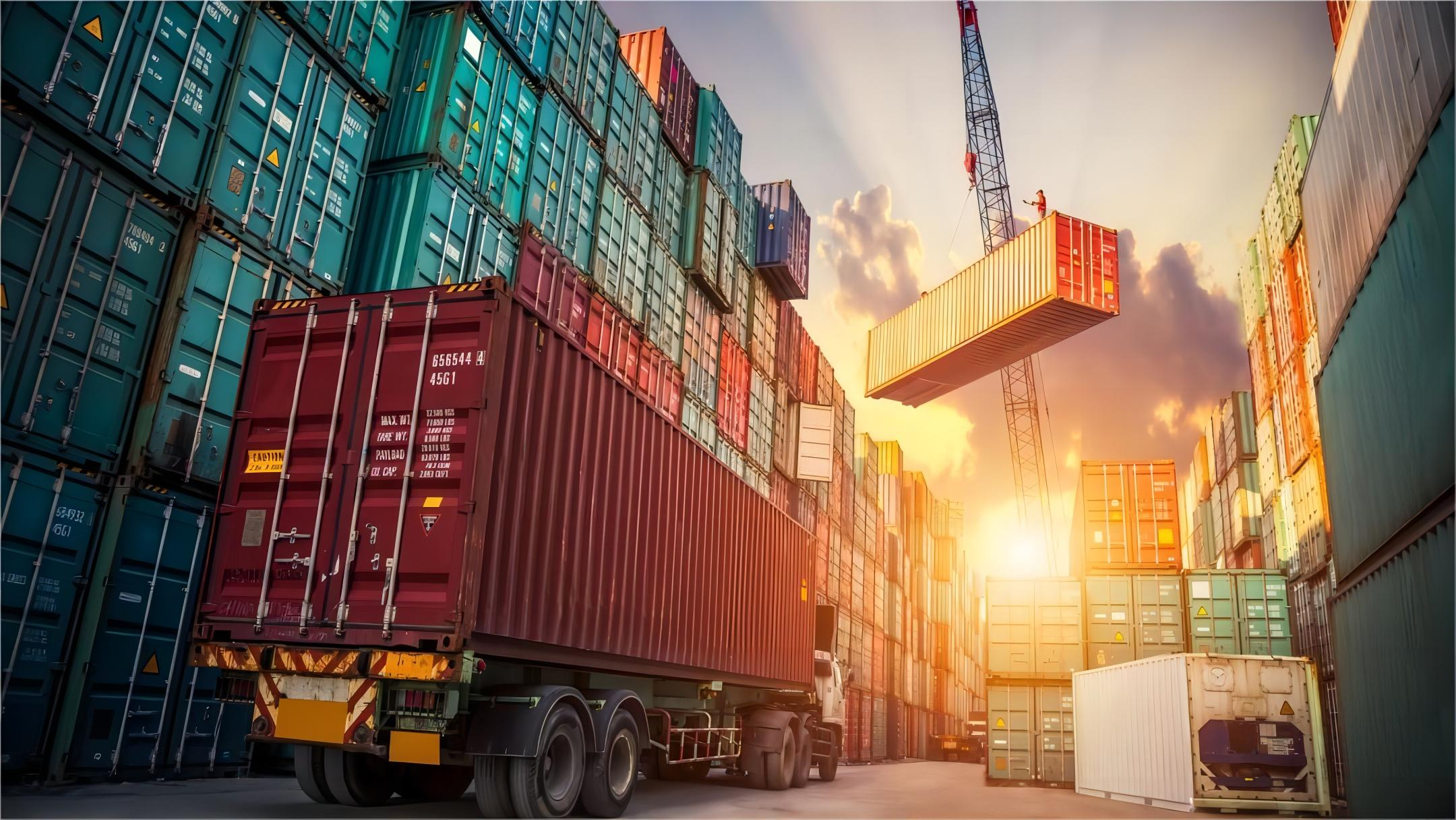
Navigating Customs and Documentation for International Sea Freight
Accurate documentation is critical for avoiding costly delays at both the origin and destination ports. For instance, the Bill of Lading serves as the primary contract of carriage and must be handled with care. Furthermore, a detailed commercial invoice and packing list are required for every international shipment.
Engaging a professional customs brokerage service can streamline the clearance process significantly. These experts ensure that your cargo complies with all local regulations and tariff classifications. Consequently, you can avoid penalties and ensure your goods reach the market on schedule.
In 2026, digital documentation has become the industry standard for most major trade routes. Electronic data interchange allows for faster processing times and reduces the likelihood of manual errors. Nevertheless, physical copies of certain certificates may still be required for specific commodity types.
| Document Name | Purpose | Required By | Format |
|---|---|---|---|
| Bill of Lading | Proof of shipment | Carrier/Customs | Digital/Paper |
| Commercial Invoice | Value declaration | Customs | Digital |
| Packing List | Cargo details | Warehouse/Customs | Digital |
| Certificate of Origin | Duty preferential | Customs | Paper/Digital |
Strategic Decision Framework: Which Option Should You Choose?
Selecting the optimal shipping strategy requires a balance between speed, cost, and reliability. If your primary goal is budget optimization, sea freight LCL or FCL remains the most attractive choice. Conversely, if you are shipping to North America and need goods within a week, air freight is the only option.
For shipments that are not time-critical, we recommend booking at least three weeks in advance to secure the best rates. Additionally, utilizing door to door services can simplify your logistics chain by consolidating multiple steps into a single contract. This approach often results in lower overall management costs for your team.
To summarize, your decision should be based on the volume of your cargo and the urgency of the delivery. Large volumes benefit from the fixed price of FCL containers, while smaller batches are best served by LCL consolidation. Always verify the latest 2026 market rates before finalizing your logistics budget.
Final Thoughts on 2026 China Sea Freight Logistics
Mastering the nuances of China sea freight LCL FCL shipping company international rates is essential for any business involved in global trade. By understanding the differences between shipping modes and staying informed about market trends, you can make smarter logistics decisions. Furthermore, partnering with a reliable forwarder ensures that your cargo is handled professionally from port to port.
As we look ahead through the remainder of 2026, efficiency and transparency will remain the top priorities for international shippers. Whether you choose FCL for its security or LCL for its flexibility, the goal remains the same: reliable delivery at a sustainable cost. Start planning your next shipment today to take advantage of the current stable rate environment.
Start Your Shipment
Ready to optimize your supply chain with competitive China sea freight LCL FCL shipping company international rates? Contact our expert team today for a personalized quote and seamless logistics support. Visit Global China Forwarder to get started. Send Inquiry: Visit https://globalchinaforwarder.com/
Request Quote