

China to UK LCL Sea Freight Cost Per CBM Shipping Service 2026 Guide
Navigating the complexities of international trade requires a reliable China to UK LCL sea freight cost per CBM shipping service to ensure your goods arrive safely and affordably. Business owners frequently face challenges with fluctuating rates and complex logistics schedules when importing from Asian markets. By partnering with a professional like Global China Forwarder, you can streamline your supply chain and focus on growing your core business operations in 2026.

Understanding the China to UK LCL Sea Freight Cost Per CBM Shipping Service
Less than Container Load, commonly known as LCL, allows multiple shippers to share space within a single ocean container. This method is particularly beneficial for small to medium-sized enterprises that do not have enough cargo to fill a 20ft or 40ft unit. Consequently, you only pay for the volume your goods occupy, measured in cubic meters.
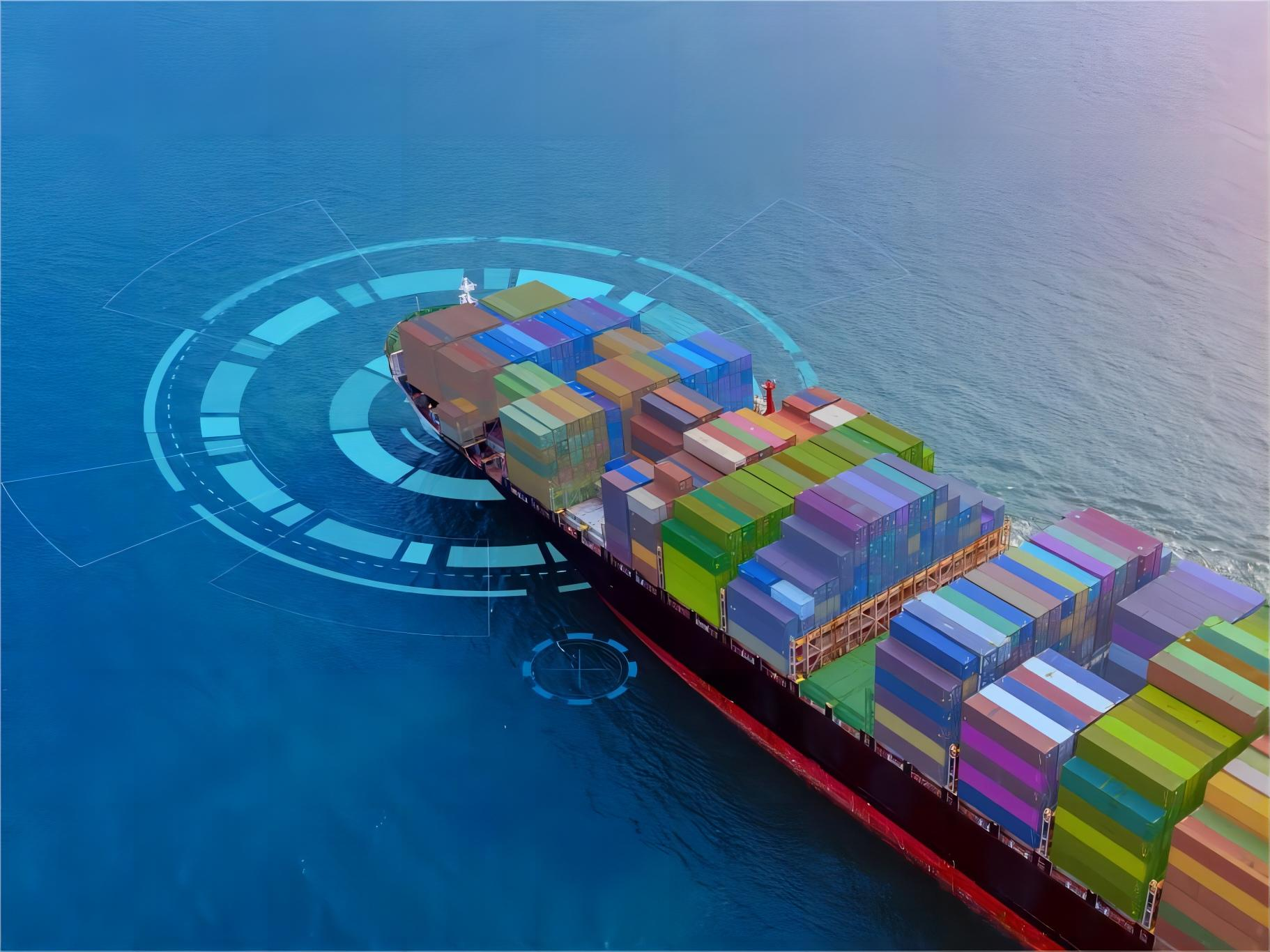
Moreover, selecting a dedicated sea freight provider ensures that your cargo is consolidated efficiently at the port of origin. In 2026, the logistics industry has seen significant improvements in tracking technology, allowing for real-time updates on your LCL shipments. Therefore, you can manage your inventory levels with much higher precision than in previous years.

Additionally, LCL shipping rates are often more stable than air freight, making it an attractive option for budget-conscious importers. While transit times are longer, the cost savings per unit can significantly improve your profit margins. Indeed, many businesses utilize LCL to test new products in the UK market without committing to massive inventory volumes.
How Does LCL Compare to Other Shipping Options?
Choosing the right transportation method depends on your specific balance of speed, cost, and cargo volume. While LCL is cost-effective for smaller volumes, air freight remains the superior choice for high-value or time-sensitive goods. On the other hand, rail freight offers a middle ground for those looking for faster transit than sea but lower costs than air.
Furthermore, for businesses shipping to fulfillment centers, specialized Amazon FBA services can handle the unique labeling and palletizing requirements of the UK market. This comparison helps you decide which strategy aligns best with your 2026 delivery goals and budget constraints.
In light of current market conditions, sea freight remains the backbone of global trade due to its massive capacity and environmental efficiency. Nevertheless, you must consider the trade-offs in transit time when planning your seasonal stock levels.
| Shipping Method | Cost Range (CBM) | Transit Time | Best For |
|---|---|---|---|
| LCL Sea Freight | $80 – $150 | 30-40 Days | Small shipments, budget focus |
| FCL Sea Freight | $50 – $90 (equiv) | 28-35 Days | Large volumes, bulk goods |
| Air Freight | $1,200 – $2,500 | 5-9 Days | Urgent, high-value items |
| Rail Freight | $180 – $350 | 18-22 Days | Mid-range urgency and cost |
Key Factors Influencing Your Shipping Costs in 2026
Several variables determine the final invoice for your China to UK LCL sea freight cost per CBM shipping service. First and foremost, the base ocean freight rate fluctuates according to seasonal demand and carrier capacity. During peak seasons, such as the lead-up to the winter holidays, rates typically increase by 15 to 25 percent.
Secondly, terminal handling charges at both the origin and destination ports play a significant role in the total landed cost. These fees cover the loading and unloading of containers and the physical movement of your goods within the port facility. Consequently, you should always request an itemized quote to avoid unexpected surcharges.
Thirdly, professional customs brokerage services are essential for navigating the complex UK tariff system. Without proper documentation, your cargo could face expensive delays or even seizure by authorities. Therefore, investing in expert customs support is a proactive way to safeguard your investment.
Which Shipping Option Should You Choose?
Determining the most efficient route for your goods requires a clear decision framework based on your business priorities. If your primary goal is cost minimization and your lead times allow for a 40-day window, LCL sea freight is almost always the winner. However, if you are restocking a best-seller that is currently out of stock, the higher cost of air or rail might be justified.
Specifically, for shipments under 15 CBM, LCL is generally more economical than booking a full 20ft container. Once you exceed the 15 CBM threshold, it is often cheaper to pay for a full container (FCL) even if you do not fill it completely. This ‘break-even’ point is a critical metric for 2026 logistics planning.
In addition, consider the nature of your cargo; fragile or hazardous materials may require specialized handling that influences the total cost per CBM. Always consult with your forwarder to ensure your packaging meets international maritime standards.
Real-World Case Studies: LCL Shipments to the UK
Case Study 1: Electronics from Shanghai to Felixstowe Cargo: Consumer electronics, 4 CBM, 1,200 kg Carrier: Major carrier via direct route Ocean Freight: $480 Origin/Destination Charges: $320 Customs and Duties: $1,150 Total Landed Cost: $1,950 Timeline: 34 days door-to-door Insight: Consolidating multiple small orders into one LCL shipment saved the client 40% compared to air freight.
Case Study 2: Home Decor from Ningbo to Southampton Cargo: Wooden furniture, 12 CBM, 3,500 kg Service: LCL Consolidation Ocean Freight: $1,320 Origin/Destination Charges: $550 Customs and Duties: $800 Total Landed Cost: $2,670 Timeline: 38 days door-to-door Insight: Using a specialized UK forwarder helped avoid port congestion delays during the Q3 peak season of 2026.
Transit Time Analysis for UK Destinations
Understanding the time it takes for your cargo to travel from China to the UK is vital for inventory management. While the sea journey itself is predictable, factors like port congestion and customs processing can add several days to the total timeline. In 2026, major UK ports like Felixstowe and Southampton have implemented new automation systems to speed up discharge times.
Typically, a direct vessel from Shenzhen to London Gateway takes approximately 30 to 32 days. If your shipment involves transshipment via a hub like Singapore, you should expect an additional 5 to 7 days. Consequently, planning your orders at least 10 weeks in advance is a safe strategy for most UK importers.
Note: Freight rates and transit times are subject to change based on fuel costs, carrier capacity, and seasonal demand. Contact us for a current quote tailored to your specific shipment.
| Origin Port | UK Destination | Avg. Sea Transit | Total Door-to-Door |
|---|---|---|---|
| Shenzhen | Felixstowe | 30 Days | 38 Days |
| Shanghai | Southampton | 33 Days | 41 Days |
| Ningbo | London Gateway | 32 Days | 40 Days |
| Qingdao | Liverpool | 37 Days | 45 Days |
Essential Documentation for UK Imports in 2026
Accurate documentation is the foundation of a smooth import process from China to the Europe region, including the UK. The most critical document is the Bill of Lading, which serves as a contract of carriage and a receipt for the goods. Additionally, the Commercial Invoice must clearly state the value and description of the items for tax assessment.
Furthermore, a detailed Packing List is required to help customs officers identify the contents of each package within the LCL consolidation. In 2026, many of these documents are processed digitally through the UK’s Customs Declaration Service (CDS). Therefore, ensuring your data is formatted correctly for digital submission is more important than ever.
Indeed, failing to provide a Certificate of Origin can result in higher duty rates under certain trade agreements. By working closely with your supplier in China, you can ensure all paperwork is prepared well before the vessel departs.
Strategies to Reduce Your LCL Shipping Costs
Implementing smart logistics strategies can significantly lower your China to UK LCL sea freight cost per CBM shipping service expenses. One effective method is to optimize your packaging to minimize ‘dead space’ within your boxes. Since you pay per cubic meter, even a small reduction in box size can lead to substantial savings over many shipments.
Additionally, consolidating multiple orders from different suppliers into a single LCL shipment can reduce the ‘per-shipment’ documentation and handling fees. Many forwarders offer specialized consolidation warehouses in major Chinese hubs like Guangzhou or Yiwu for this exact purpose. Consequently, you benefit from bulk-handling efficiencies even with small cargo volumes.
Lastly, booking your shipment at least three weeks in advance allows you to secure lower rates before the vessel fills up. In the 2026 market, last-minute bookings often carry a significant premium due to limited LCL space on the most popular routes. Planning ahead is the simplest way to keep your logistics budget under control.
Mastering Your UK Import Strategy
To summarize, choosing the right China to UK LCL sea freight cost per CBM shipping service is a balance of cost, speed, and reliability. By understanding the factors that influence 2026 freight rates and preparing your documentation diligently, you can avoid common pitfalls that delay shipments and inflate costs.
Ultimately, the goal is to create a predictable and scalable logistics model that supports your business growth. Whether you are shipping small electronics or large furniture items, LCL remains one of the most versatile tools in the modern importer’s arsenal. Take the time to compare your options and partner with a forwarder that understands the nuances of the China-UK trade lane.
Need a tailored shipping solution?
Ready to optimize your supply chain with a reliable China to UK LCL sea freight cost per CBM shipping service? Our team of logistics experts is standing by to provide you with a competitive, transparent quote for your 2026 shipments. Contact us today to learn how we can simplify your international trade. Send Inquiry: https://globalchinaforwarder.com/