

China to Germany Sea Freight Container Rates 2026 Guide
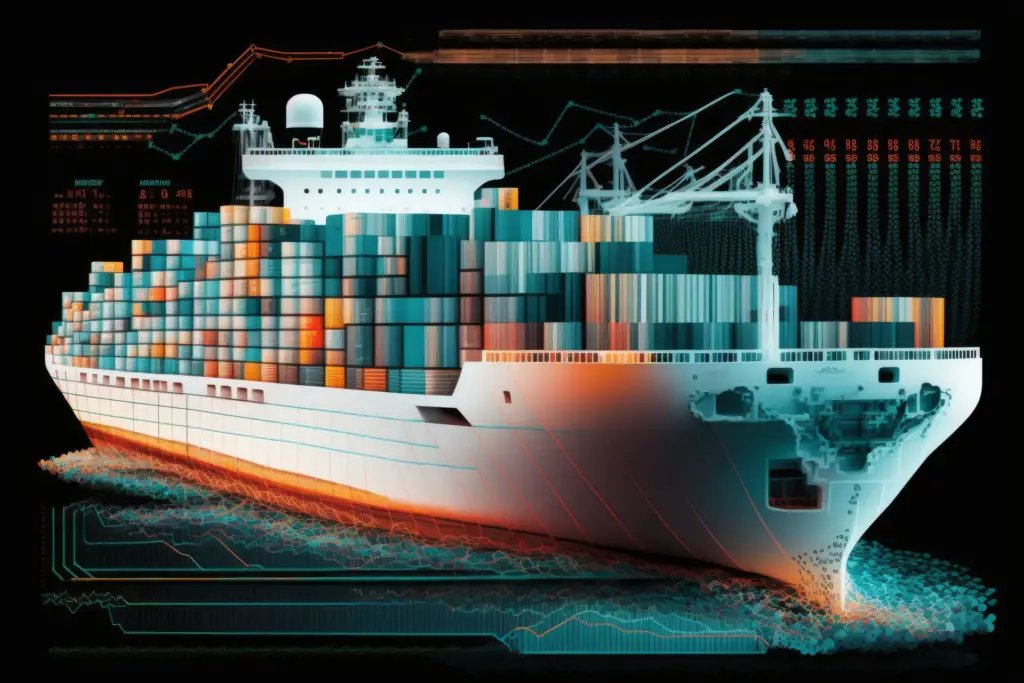
Navigating the complexities of international logistics requires up-to-date data on shipping costs and transit schedules. As of 2026, the global supply chain has reached a new level of stability, yet finding the most competitive china to germany sea freight container rates remains a top priority for businesses. This comprehensive guide provides the necessary insights to optimize your shipping strategy and reduce overhead expenses while ensuring reliable delivery to German ports.
Understanding China to Germany Sea Freight Container Rates in 2026
Determining the current market price for ocean transport involves analyzing several fluctuating variables. During the first quarter of 2026, freight rates have stabilized following the logistical adjustments made in previous years. Consequently, importers can now plan their budgets with greater accuracy than in the volatile periods of the past.
Furthermore, the demand for German engineering components and consumer goods continues to drive high volumes along the Asia-Europe trade lane. Businesses must monitor these trends closely to capitalize on seasonal price drops. Therefore, understanding the underlying components of your shipping quote is essential for long-term financial planning.
Additionally, the shift toward sustainable shipping practices has introduced new environmental surcharges. These fees are now a standard part of most carrier quotes. As a result, the total landed cost may vary slightly depending on the carrier’s carbon offset initiatives and fuel efficiency.
How Much Does it Cost to Ship a Container from China to Germany?
Shipping costs are primarily divided into Full Container Load (FCL) and Less than Container Load (LCL) categories. For FCL shipments, you pay for the entire space within a 20ft or 40ft container. In contrast, LCL shipments involve sharing space with other importers, which is ideal for smaller volumes.
Moreover, port-to-port rates represent only a portion of the total expenditure. You must also account for local charges at both the origin and destination. Specifically, terminal handling charges and documentation fees can add several hundred dollars to your final bill.
Indeed, current market data suggests that rates for a 40HQ container have remained competitive throughout 2026. However, prices often spike during the peak season from August to October. For this reason, booking your sea freight space at least 3-4 weeks in advance is highly recommended.
| Route | 20GP Container | 40HQ Container | Transit Time |
|---|---|---|---|
| Shanghai to Hamburg | $1,950 – $2,400 | $3,100 – $4,000 | 32-38 Days |
| Shenzhen to Bremen | $1,850 – $2,300 | $3,000 – $3,850 | 30-35 Days |
| Ningbo to Wilhelmshaven | $1,900 – $2,350 | $3,050 – $3,900 | 33-39 Days |
| Qingdao to Hamburg | $2,050 – $2,550 | $3,250 – $4,200 | 35-42 Days |
Factors Influencing China to Germany Sea Freight Container Rates
Fuel prices remain one of the most significant drivers of ocean freight volatility. When oil prices rise, carriers implement Bunker Adjustment Factors (BAF) to cover the increased operational costs. Accordingly, these surcharges are updated monthly or quarterly by most major shipping lines.
Another critical factor is the balance of equipment availability at major Chinese ports like Shanghai and Shenzhen. If there is a shortage of empty containers, rates will naturally increase due to high demand. Meanwhile, port congestion in Europe can lead to additional detention and demurrage charges.
Finally, the choice of shipping route can impact the overall price. Direct services are generally more expensive but offer faster transit times. On the other hand, transshipment routes via Singapore or Colombo might offer lower china to germany sea freight container rates at the expense of a longer duration.
Comparing FCL and LCL Shipping Options
Choosing between FCL and LCL depends largely on the volume of your cargo measured in cubic meters (CBM). For shipments exceeding 15 CBM, FCL is usually the more cost-effective choice. This is because the price per unit of volume decreases significantly when you utilize a full container.
Nevertheless, LCL is a fantastic alternative for small businesses or those testing new product lines. It allows you to maintain a steady supply chain without the need for massive inventory investments. In addition, LCL provides greater flexibility for frequent, smaller deliveries.
However, you should note that LCL involves more handling, which can increase the risk of damage. Therefore, ensuring high-quality packaging is vital for shared container shipments. Utilizing a professional customs brokerage service can also help streamline the clearance process for complex LCL loads.
| Feature | FCL (Full Container) | LCL (Shared Container) | Recommendation |
|---|---|---|---|
| Cost Basis | Flat rate per container | Price per CBM/Weight | LCL for < 15 CBM |
| Security | High (Sealed container) | Moderate (More handling) | FCL for fragile goods |
| Speed | Faster (Direct) | Slower (Consolidation) | FCL for urgent stock |
| Flexibility | Lower | Higher | LCL for varied SKU |
How Does Sea Freight Compare to Other Shipping Options?
While ocean transport is the most economical method for large volumes, it is not always the best fit for every scenario. For instance, high-value electronics or urgent medical supplies often require the speed of air transport. Consequently, businesses must weigh the cost savings of the sea against the time sensitivity of their cargo.
Rail transport has also emerged as a popular middle-ground solution for the China-Europe corridor. It offers faster transit times than the sea while remaining significantly cheaper than air. Thus, many companies use rail freight as a strategic alternative during peak ocean seasons.
In contrast, sea freight remains the undisputed leader for heavy industrial machinery and bulk commodities. The ability to move massive quantities in a single shipment provides an unmatched economy of scale. Without a doubt, ocean shipping is the backbone of the trade relationship between China and Germany.
| Method | Cost Range | Transit Time | Best For |
|---|---|---|---|
| Sea Freight | $3,000 – $4,200 (40HQ) | 30-40 Days | Bulk & Heavy Goods |
| Rail Freight | $5,500 – $7,500 (40HQ) | 18-22 Days | Mid-value items |
| Air Freight | $4.50 – $8.00 per kg | 5-8 Days | Urgent & High-value |
| Express | $9.00 – $15.00 per kg | 3-5 Days | Samples & Documents |
Which Option Should You Choose? Decision Framework
Selecting the right shipping method requires a clear understanding of your business priorities. If your primary goal is to minimize expenditure, then sea freight is the logical choice. However, if your inventory turnover is high, the faster transit times of rail or air might justify the extra cost.
Specifically, consider the total landed cost rather than just the freight rate. This includes insurance, duties, and inland trucking fees. For those needing a complete solution, a door to door service can simplify the entire logistics chain by managing every step from the factory to the warehouse.
Furthermore, analyze the nature of your cargo. Perishable goods or seasonal fashion items may lose value if they spend 40 days at sea. Therefore, a hybrid strategy using both sea and rail can provide the necessary balance of cost and speed for diverse product portfolios.
Real Case Studies: 2026 Shipping Scenarios
Case Study 1: Electronics from Shenzhen to Hamburg
Route: Shenzhen, China to Hamburg, Germany. Cargo: Consumer Electronics, 65 CBM, 12,000 kg. Container: 40HQ. Shipping Details: Direct service via major carrier. Port of Loading: Shenzhen. Port of Discharge: Hamburg.
Cost Breakdown: Ocean Freight: $3,200. Origin Charges: $450. Destination Charges: $600. Customs & Duties: $2,100. Total Landed Cost: $6,350. Timeline: Booking to Loading: 4 days. Sea Transit: 32 days. Customs Clearance: 2 days. Total Door-to-Door: 38 days.
Key Insight: By booking during the shoulder season in March 2026, the importer saved approximately 15% compared to the previous Q4 peak rates. This highlights the importance of timing in managing china to germany sea freight container rates.
Case Study 2: Industrial Parts from Ningbo to Duisburg
Route: Ningbo, China to Duisburg, Germany (via Rotterdam). Cargo: Steel Components, 8 CBM, 4,500 kg. Container: LCL. Shipping Details: Transshipment via Rotterdam. Port of Loading: Ningbo. Port of Discharge: Rotterdam (Trucking to Duisburg).
Cost Breakdown: Ocean Freight: $640 ($80/CBM). Origin Charges: $200. Destination Charges: $350. Inland Trucking: $400. Total Landed Cost: $1,590. Timeline: Booking to Loading: 5 days. Sea Transit: 35 days. Customs Clearance: 3 days. Total Door-to-Door: 43 days.
Key Insight: Using LCL allowed the manufacturer to maintain a lean inventory. Despite the longer transit time, the cost savings compared to air freight were over $4,000 for this specific volume.
Strategies to Reduce Your Ocean Freight Costs
One effective way to lower your expenses is through cargo consolidation. By combining multiple smaller orders into a single FCL shipment, you can avoid the higher per-unit costs of LCL. Additionally, optimizing your packaging to fit more items into a standard container can reduce the number of shipments required.
Moreover, negotiating long-term contracts with freight forwarders can provide price stability. While spot rates can be lower during certain weeks, a fixed contract protects your business from sudden market spikes. Consequently, this approach is highly beneficial for companies with consistent shipping volumes throughout the year.
Lastly, always verify the accuracy of your documentation to avoid unnecessary fines. Errors in the Bill of Lading or commercial invoice can lead to costly delays at the German border. Working with experienced partners ensures that your Europe bound shipments comply with all local regulations.
Optimizing Your China to Germany Shipping Strategy
In summary, managing china to germany sea freight container rates requires a proactive approach and a deep understanding of market dynamics. By comparing FCL and LCL options, monitoring seasonal trends, and utilizing multi-modal strategies, businesses can significantly reduce their logistics overhead.
As we move through 2026, the importance of reliable data and professional partnerships cannot be overstated. Whether you are shipping bulk industrial goods or delicate consumer electronics, selecting the right freight forwarder is the key to a successful import operation. Start planning your next shipment today to ensure your goods arrive on time and within budget.

Need a tailored shipping solution?
Streamline your international logistics and secure the most competitive china to germany sea freight container rates by partnering with our expert team today. Visit Global China Forwarder to request a personalized quote and discover how our tailored shipping solutions can enhance your supply chain efficiency. Send Inquiry: https://globalchinaforwarder.com/