

China to Canada Air Freight Shipping Cost: 2026 Pricing Guide
Navigating the complexities of international logistics requires a clear understanding of the current market conditions in North America. As of early 2026, businesses looking for a reliable Global China Forwarder must account for fluctuating fuel prices and shifting demand across the Pacific. This guide provides a comprehensive breakdown of the China to Canada air freight shipping cost to help you optimize your supply chain budget and ensure timely delivery of your goods.
How is the China to Canada Air Freight Shipping Cost Determined in 2026?
Determining the exact cost of transporting goods by air involves several variables that fluctuate based on global economic trends. Carriers primarily look at the weight and volume of the shipment to establish a base rate. Furthermore, the 2026 market has seen a stabilization in fuel surcharges, though they still represent a significant portion of the total invoice.

Airlines use a specific formula to calculate chargeable weight, which ensures they are compensated for both heavy and bulky items. Consequently, if your cargo is light but takes up considerable space, you will pay based on its volumetric dimensions. Understanding this distinction allows importers to package their products more efficiently to reduce unnecessary expenses.
Market data suggests that seasonal demand plays a vital role in pricing shifts throughout the year. For instance, during the peak season from August to October, rates typically increase by 15 to 25 percent as retailers prepare for the holiday rush. Planning your shipments during off-peak months can lead to substantial savings on your overall logistics budget.
How Does Air Freight Compare to Other Shipping Options?
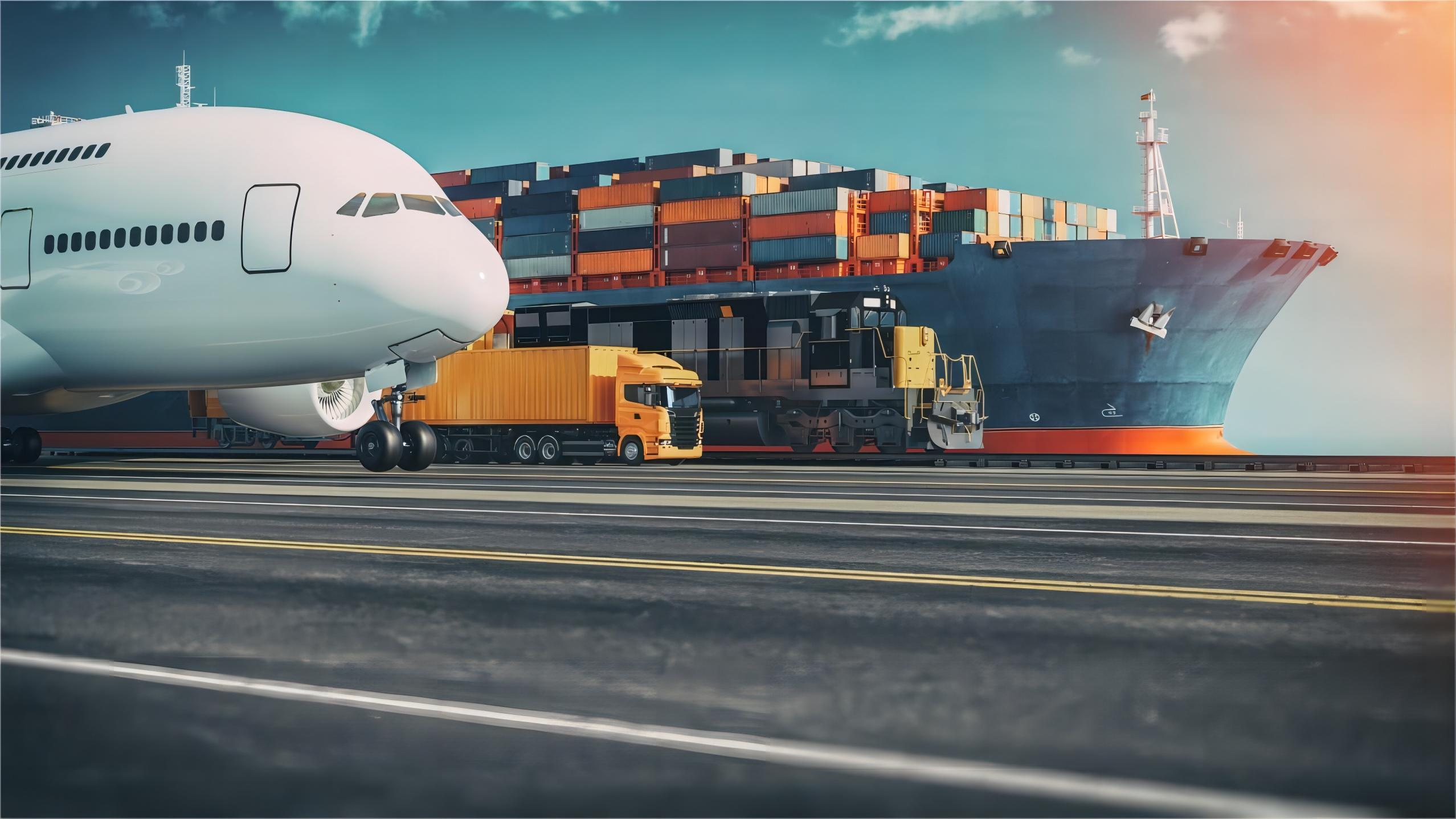
Choosing the right transportation method depends on your specific balance of speed, cost, and cargo volume. While air freight offers the fastest transit times, it comes at a premium price compared to ocean transport. Businesses often utilize air cargo for high-value electronics, fashion items, or urgent replenishment of stock.
In contrast, sea freight remains the most economical choice for large-scale shipments that are not time-sensitive. While a 40HQ container might cost between 3,000 and 4,500 dollars, the same volume sent by air would be prohibitively expensive. Therefore, many companies adopt a hybrid strategy, using sea for bulk inventory and air for emergency orders.
Analyzing the trade-offs between these methods helps in building a resilient supply chain. For shipments under 100 kilograms, express services often provide better value due to their all-inclusive nature. However, once a shipment exceeds 300 to 500 kilograms, standard air cargo becomes the more cost-effective logistics solution.
| Shipping Method | Cost Range (per kg/unit) | Transit Time | Best For |
|---|---|---|---|
| Air Freight | $4.50 – $8.50 per kg | 5 – 8 Days | High-value, urgent goods |
| Sea Freight (LCL) | $150 – $300 per CBM | 25 – 40 Days | Bulky, non-urgent cargo |
| Express Shipping | $7.00 – $12.00 per kg | 3 – 5 Days | Small parcels, documents |
| Sea Freight (FCL) | $2,800 – $4,800 per 40HQ | 22 – 35 Days | Full inventory loads |
Which Option Should You Choose?
Deciding on the best shipping route requires a clear framework based on your business priorities and cargo characteristics. If budget is your primary concern and you have a lead time of at least six weeks, ocean transport is the logical choice. On the other hand, if you need to meet a strict product launch deadline, the higher China to Canada air freight shipping cost is a necessary investment.
Cargo type also dictates the preferred method, as certain items are restricted on aircraft. For example, large lithium battery banks or certain hazardous chemicals may require specialized handling that is easier to manage via sea. Always consult with your forwarder to ensure your cargo complies with International Air Transport Association regulations.
Volume thresholds often act as the deciding factor for many Canadian importers. Generally, if your shipment is smaller than 0.5 cubic meters and weighs less than 100 kilograms, air or express is almost always better. Once you move into the range of 1 to 3 cubic meters, you should perform a detailed cost-benefit analysis between LCL sea freight and air cargo.
Calculating Volumetric Weight for Air Shipments
Airlines calculate the chargeable weight by comparing the actual gross weight against the volumetric weight. The industry standard divisor for international air freight is 6000, although some express carriers use 5000. This means that a large box of pillows will likely be charged based on its size rather than its actual weight.
To calculate this yourself, multiply the length, width, and height of your package in centimeters and divide by the divisor. If the resulting number is higher than the weight on the scale, the carrier will use the higher number to determine your China to Canada air freight shipping cost. Therefore, minimizing dead space in your packaging is one of the most effective ways to lower your rates.
Moreover, consolidating multiple small boxes into a single pallet can sometimes change the weight calculation. Professional forwarders often suggest repacking services to optimize the dimensions of your cargo before it reaches the airport. This attention to detail can save hundreds of dollars on a single trans-Pacific shipment.
Understanding Door to Door Logistics and Pricing
Many modern businesses prefer door to door services because they simplify the entire international shipping process. This model includes pickup from the factory in China, export customs, air transit, import clearance, and final delivery to your warehouse in Canada. While the upfront quote might seem higher, it often saves money by eliminating hidden third-party fees.
Additionally, this service provides a single point of contact and one tracking number for the entire journey. This transparency is invaluable for managing inventory levels and providing accurate delivery estimates to your customers. Consequently, the convenience of a turnkey solution often outweighs the minor savings of managing each leg of the journey independently.
Industry average rates for door-to-door air freight in early 2026 range from 6 to 10 dollars per kilogram depending on the destination city. Vancouver typically sees lower rates due to its proximity to the Pacific, while Toronto and Montreal may incur higher domestic trucking costs. Always ensure your quote includes the ‘last mile’ delivery to avoid unexpected surcharges upon arrival.
Navigating Customs Brokerage and Import Duties
Clearance at the Canadian border is a critical step that can significantly impact your total landed cost. Utilizing a professional customs brokerage ensures that your goods are classified correctly under the Harmonized System codes. Incorrect classification can lead to overpaying duties or, worse, facing heavy fines from the Canada Border Services Agency.
Furthermore, you must be aware of the Goods and Services Tax which is generally 5 percent on imported items. Some provinces also apply Provincial Sales Tax or Harmonized Sales Tax at the point of entry. Therefore, when calculating your China to Canada air freight shipping cost, always include these government levies in your financial projections.
Documentation accuracy is the most common reason for delays in the air freight world. Ensure your commercial invoice, packing list, and air waybill all match perfectly in terms of descriptions and values. Digital documentation has become the standard in 2026, allowing for pre-clearance while the plane is still in the air.
Optimizing Amazon FBA Deliveries from China
Sellers using the Amazon FBA program face unique challenges regarding labeling and warehouse specifications. Amazon has strict requirements for how pallets must be built and how boxes must be identified. Failure to follow these rules can result in your shipment being rejected at the fulfillment center door.
Specialized forwarders offer prep services in China to ensure every unit is ready for the Canadian Amazon marketplace. This includes FNSKU labeling, bundling, and quality control inspections before the air transit begins. By handling these tasks at the origin, you can significantly reduce your operational costs and avoid the higher labor rates in Canada.
Market trends in 2026 show that air freight is the preferred method for maintaining the ‘In Stock’ status required for high search rankings. While sea freight is cheaper, the risk of stockouts during long transit times can be more costly in terms of lost sales. Consequently, many successful Amazon sellers use air freight for their initial launch and subsequent fast-selling restocks.
Case Studies: Realistic Air Freight Scenarios for 2026
Examining real-world examples provides a clearer picture of what to expect when booking your shipments. These cases reflect typical market rates and transit times observed in the first quarter of 2026. Note that freight rates are subject to change based on fuel costs, carrier capacity, and seasonal demand.
Case Study 1: Electronics Shipment from Shenzhen to Toronto. +———————————————————+ | Route: Shenzhen, China to Toronto, Canada | Cargo: Smartphone Accessories, 4 CBM, 480 kg | Service: Standard Air Freight | Carrier: Major Commercial Airline | | Cost Breakdown: | – Air Freight: $2,780 | – Origin Charges: $210 | – Destination Charges: $180 | – Customs Clearance: $125 | – Total Landed Cost: $3,295 | | Timeline: | – Sea Transit: N/A (Air) | – Total Door-to-Door: 7 days | | Key Insight: Efficient packing reduced the volumetric | weight, saving the client approximately $400. +———————————————————+
Case Study 2: Industrial Parts from Shanghai to Vancouver. +———————————————————+ | Route: Shanghai, China to Vancouver, Canada | Cargo: Machine Spare Parts, 1.5 CBM, 220 kg | Service: Express Door-to-Door | Carrier: International Express Courier | | Cost Breakdown: | – All-in Freight: $1,650 | – Customs and Duties: $310 | – Total Landed Cost: $1,960 | | Timeline: | – Total Door-to-Door: 4 days | | Key Insight: Urgent delivery prevented a factory | shutdown, justifying the higher express rate. +———————————————————+
Air Freight Transit Times: What to Expect in 2026
Transit times in 2026 have become more predictable due to improved ground handling technology at major airports like YVR and YYZ. While the flight itself only takes about 12 to 15 hours, the total time includes export processing and import clearance. Therefore, you should always allow a buffer of at least two days for these administrative tasks.
Weather conditions during the Canadian winter can occasionally cause minor delays in ground transportation. However, major hubs are well-equipped to handle snow and ice without significant disruptions to the flight schedules. Choosing direct flights rather than transshipment routes can further reduce the risk of your cargo being delayed at an intermediate stop.
| Origin City | Destination City | Service Level | Est. Days |
|---|---|---|---|
| Shenzhen | Vancouver | Express | 3 – 5 Days |
| Shanghai | Toronto | Standard Air | 6 – 8 Days |
| Guangzhou | Montreal | Standard Air | 7 – 9 Days |
| Beijing | Calgary | Express | 4 – 6 Days |
Final Thoughts on Managing Your Shipping Budget
Successfully managing your China to Canada air freight shipping cost involves a combination of smart packaging, strategic timing, and choosing the right service level. While air freight is a premium service, its speed and reliability offer a competitive advantage in today’s fast-paced global economy. By understanding the factors that drive rates, you can make informed decisions that protect your profit margins.
Indeed, the logistics landscape will continue to evolve throughout 2026 and beyond. Staying informed about market trends and maintaining a flexible shipping strategy are the keys to long-term success. Whether you are a small e-commerce seller or a large industrial importer, the right air freight solution is available to meet your requirements.
Need a tailored shipping solution?
Optimizing your China to Canada air freight shipping cost requires a partner who understands the nuances of the 2026 logistics market. Our team provides transparent pricing and reliable schedules tailored to your specific business needs. Contact us today to receive a customized quote and learn how we can streamline your international supply chain. Visit our website to start your inquiry and secure the best rates for your next shipment.