

Sea Freight China to France DDP Service: Complete 2026 Guide
“Navigating the complexities of international trade requires a reliable sea freight China to France DDP service to ensure your cargo arrives safely and on time. As a premier Global China Forwarder, we specialize in managing the entire logistics chain from factory pickup to final delivery. Businesses today face fluctuating market conditions, making it essential to partner with a logistics provider that understands the nuances of the French market and Chinese export regulations. This comprehensive guide will explore how Delivered Duty Paid solutions can simplify your operations while reducing overall shipping costs in 2026.”
What is Sea Freight China to France DDP Service?
❖Delivered Duty Paid (DDP) is an incoterm where the seller assumes all responsibilities, risks, and costs associated with transporting goods until the buyer receives them at the destination. When utilizing a sea freight solution under DDP terms, the forwarder handles everything from ocean freight to import duties and VAT in France. This method is particularly popular among e-commerce sellers and small-to-medium enterprises that lack a dedicated import department.
Moreover, this service eliminates the hidden costs often associated with international shipping. By choosing a DDP model, you receive a single, all-inclusive quote that covers origin charges, ocean freight, customs brokerage, and local delivery. Consequently, your business can maintain better financial predictability and focus on core sales activities rather than administrative logistics hurdles.
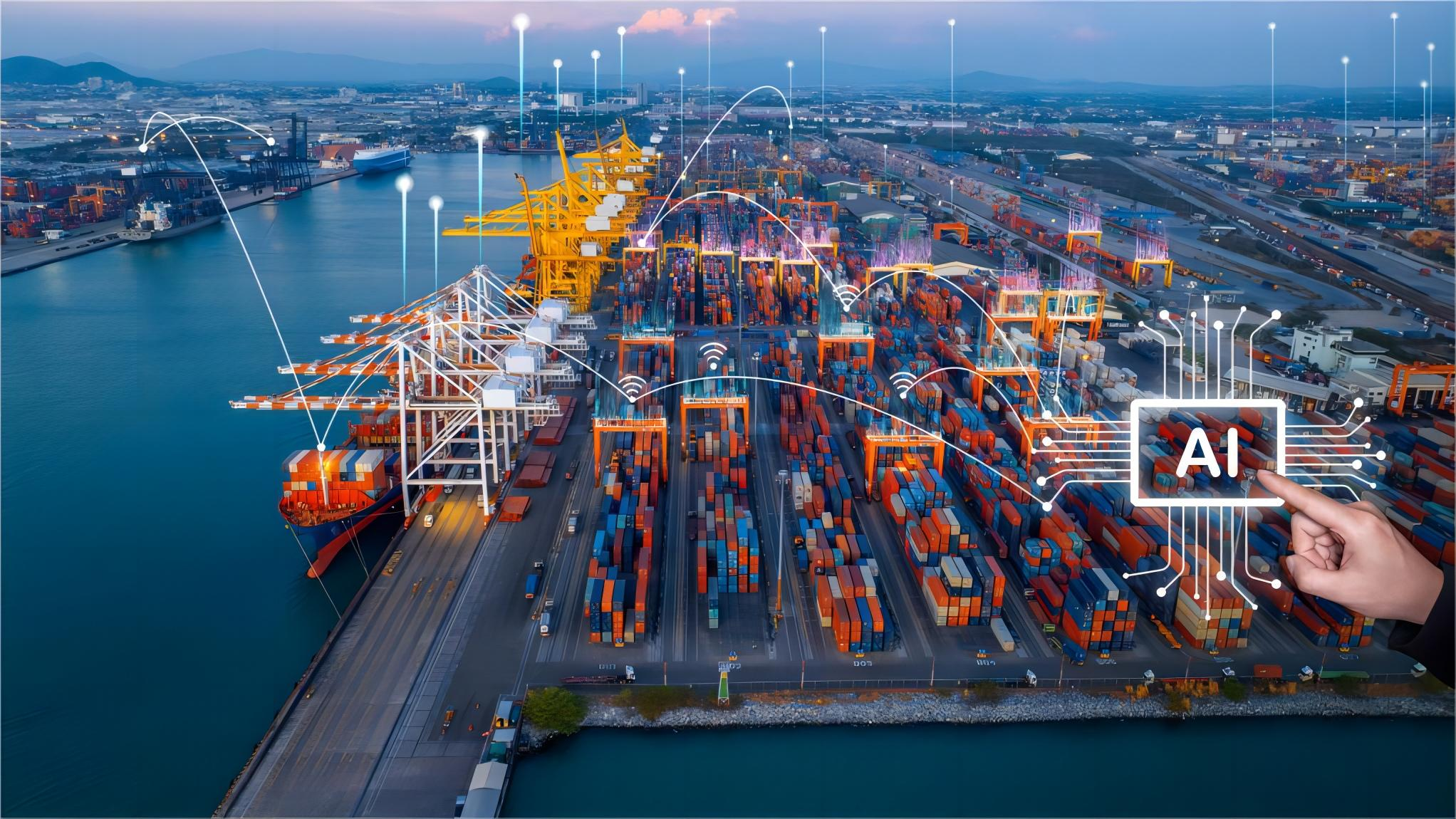
Furthermore, the 2026 logistics landscape has evolved to provide more transparency in tracking and documentation. Modern sea freight China to France DDP service providers use integrated digital platforms to give real-time updates on container status. This level of visibility is crucial for maintaining a lean inventory and meeting the high expectations of French consumers.
How Does Sea Freight Compare to Other Shipping Options?
❖Evaluating different transport modes is essential for optimizing your logistics budget and timeline. While sea freight remains the most cost-effective method for large volumes, air and rail options provide alternatives for urgent or mid-sized shipments. In 2026, many companies are adopting hybrid strategies to balance speed and cost.
Sea freight offers the lowest cost per cubic meter, making it the primary choice for bulky items like furniture, machinery, and high-volume consumer goods. On the other hand, air freight is significantly faster but can cost up to five times more than ocean transport. Rail freight serves as a middle ground, offering faster transit than sea with lower costs than air, though it is subject to geopolitical stability across Eurasia.
To illustrate the differences, consider a standard shipment of 500kg. Sea freight might take 35 days but cost a fraction of the price of an express courier. Choosing the right method depends on your specific margin requirements and the lead time your customers expect.
| Shipping Method | Cost Range (per CBM) | Transit Time | Best For |
|---|---|---|---|
| Sea Freight DDP | $150 – $350 | 30 – 45 Days | Bulk goods, low-value items |
| Air Freight DDP | $5 – $9 per kg | 5 – 8 Days | Urgent, high-value electronics |
| Rail Freight DDP | $200 – $400 | 18 – 25 Days | Mid-sized batches, e-commerce |
| Express Service | $8 – $15 per kg | 3 – 5 Days | Samples and small parcels |
FCL vs. LCL: Which Sea Freight Option Fits Your Needs?
❖Full Container Load (FCL) involves renting an entire 20ft or 40ft container for your exclusive use. This is generally the most efficient method for large shipments, as it reduces handling and minimizes the risk of damage. For businesses moving more than 15 cubic meters of goods, FCL often provides the best value and faster transit because the container does not need to be consolidated with other cargo.
Less than Container Load (LCL) allows you to share container space with other shippers, paying only for the volume you use. This is an ideal solution for smaller businesses or those testing new products in the French market. While LCL is cost-effective for small volumes, it typically involves longer transit times due to the consolidation and deconsolidation processes at the ports.
Additionally, LCL shipments require more robust packaging to withstand the extra handling. In 2026, LCL rates have become more competitive as forwarders optimize their consolidation hubs in major Chinese cities like Ningbo and Shenzhen. Regardless of your choice, a professional forwarder can help you calculate the break-even point between these two options.
Navigating Customs Clearance and Documentation in France
❖Successfully importing goods into France requires meticulous attention to European Union customs regulations. A dedicated customs brokerage service is vital for ensuring that all paperwork, including the Commercial Invoice, Packing List, and Bill of Lading, is compliant. In a DDP arrangement, your forwarder manages these documents on your behalf, reducing the risk of costly delays at the Port of Le Havre or Marseille.
France has strict rules regarding product safety standards, particularly for electronics and toys. You must ensure your products carry the CE mark and that all technical documentation is available if requested by French customs officials. Failure to comply can lead to shipment seizures or heavy fines, which can devastate a small business’s reputation.
Specifically, the EORI number (Economic Operators Registration and Identification) is mandatory for any business importing into the EU. Your DDP provider will use their own or your EORI number to facilitate the clearance process. By outsourcing this complex task, you ensure that your sea freight China to France DDP service remains a hands-off experience for your logistics team.
Transit Times and Major Shipping Routes for 2026
❖Ocean transit from China to France typically takes between 30 and 45 days, depending on the departure port and the specific route. Most shipments originate from major hubs like Shanghai, Ningbo, or Shenzhen. These ports offer frequent sailings and competitive rates due to their high volume and advanced infrastructure.
Our door to door service includes the final mile delivery from French ports to your warehouse or Amazon FBA center. Common entry points into France include Le Havre in the north and Marseille-Fos in the south. The choice of port often depends on the final destination of the goods to minimize inland trucking costs.
Indeed, weather conditions and seasonal demand can influence these timelines. During the peak season from August to October, transit times may stretch slightly due to port congestion. Planning your shipments at least two months in advance is a strategic move to avoid the volatility of the holiday rush and ensure consistent stock levels.
Strategic Logistics Trends and Market Intelligence
❖As of early 2026, the sea freight market has stabilized significantly following the global supply chain disruptions of previous years. Freight rates from China to Europe have reached a new equilibrium, though fuel surcharges remain a variable factor. Carriers are increasingly investing in larger, more fuel-efficient vessels to lower the carbon footprint of international trade.
Digitalization is another major trend affecting sea freight China to France DDP service. Many forwarders now offer cloud-based dashboards that integrate with e-commerce platforms like Shopify or Amazon. This allows for automated order fulfillment and more accurate demand forecasting, which is essential for modern retail success.
Moreover, the shift toward sustainable shipping is influencing buyer behavior in France. French consumers are increasingly conscious of the environmental impact of their purchases. Highlighting your use of eco-friendly logistics options can serve as a competitive advantage in the European market.
Real-World Case Studies: China to France Shipping
❖Case Study 1: Electronics Distribution. A Shenzhen-based manufacturer needed to ship 12 CBM of consumer electronics to a distributor in Lyon. By utilizing our LCL DDP service, they avoided the complexities of French VAT registration. The cargo was loaded in Shenzhen, cleared customs in Le Havre, and delivered to Lyon in 38 days. Total cost: $3,200, including all duties.
Case Study 2: Furniture Retailer. A French furniture brand ordered a full 40HQ container from Ningbo. Using our FCL DDP solution, the container was shipped directly to Marseille. Despite a minor delay due to a strike at the port, the shipment arrived at the warehouse in 42 days. The all-in cost was $5,800, which allowed the retailer to maintain their expected profit margins.
Case Study 3: Amazon FBA Seller. A small business owner shipping toys from Shanghai used our DDP air-to-sea hybrid service. The initial stock was sent via air to bridge a gap, while the bulk was sent via sea freight. This strategy ensured they never went out of stock during the Q4 peak season while keeping their average shipping cost per unit low.
Which Shipping Option Should You Choose? Decision Framework
❖Selecting the right logistics strategy requires a clear understanding of your business priorities. If your primary goal is cost reduction and you have a long lead time, sea freight DDP is the undisputed winner. This is especially true for heavy or bulky items where air freight costs would be prohibitive.
Alternatively, if you are launching a new product with high market demand, a hybrid approach might be more suitable. You can send a small portion of your inventory via express service to start selling immediately while the bulk of your stock travels via sea. This balances the need for speed with the necessity of maintaining healthy margins.
Consider the following criteria when making your decision: budget, cargo volume, product sensitivity, and customer expectations. For shipments over 2 CBM that are not time-sensitive, sea freight remains the gold standard. Always consult with your forwarder to get a tailored quote based on current 2026 market rates.
Cost-Saving Strategies for 2026
❖Reducing your landed cost starts with optimizing your packaging. Efficiently packed pallets or cartons can significantly reduce the CBM of LCL shipments, directly lowering your freight bill. Furthermore, consolidating multiple orders from different Chinese suppliers into a single FCL container can save thousands of dollars in origin and destination fees.
Another effective strategy is to book your shipments during off-peak periods. Typically, shipping in late January or early February (before Lunar New Year) or in the early summer months can yield lower rates. Staying informed about carrier capacity and market trends allows you to time your purchases more effectively.
Note: Freight rates are subject to change based on fuel costs, carrier capacity, and seasonal demand. Contact us for a current quote tailored to your specific shipment. Market data suggests that rates in 2026 are 15% more stable than the previous year, providing a better environment for long-term planning.
Mastering Your Sea Freight China to France DDP Service
In summary, choosing a sea freight China to France DDP service is a strategic decision that can significantly enhance your business efficiency. By handling everything from the Chinese factory to the French doorstep, DDP services remove the administrative burden of international trade. Whether you are shipping FCL or LCL, the benefits of cost predictability and professional customs handling cannot be overstated.
As we move through 2026, staying adaptable and informed about logistics trends will be key to maintaining a competitive edge. Partnering with an experienced forwarder ensures that your supply chain remains resilient in the face of global changes. Start optimizing your shipping strategy today to ensure long-term success in the European market.
Ready to streamline your logistics?
Ready to streamline your international logistics? Our expert team is here to provide the most reliable sea freight China to France DDP service tailored to your business needs. Contact us today for a transparent, all-inclusive quote and experience stress-free shipping. Send Inquiry:
Request Quote