


China to Egypt Shipping Freight Forwarder: 2026 Logistics Guide
Selecting a professional China to Egypt shipping freight forwarder is the most critical step for businesses aiming to streamline their international trade operations in 2026. Many importers struggle with rising fuel surcharges and complex Egyptian customs regulations that can lead to costly port storage fees. This comprehensive guide provides the essential data you need to manage your supply chain efficiently while maintaining a competitive edge in the Middle Eastern market.
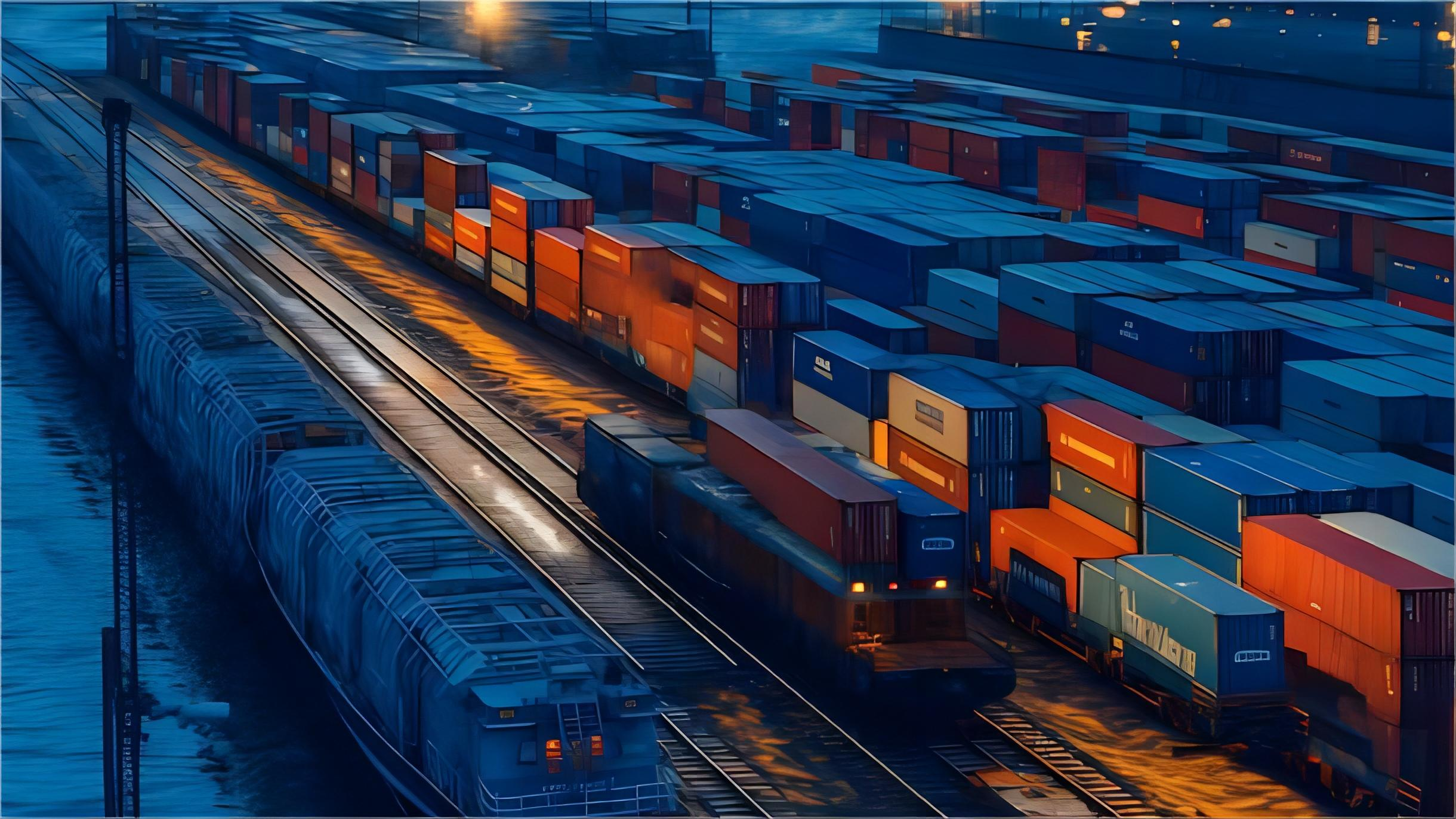
What Does a China to Egypt Shipping Freight Forwarder Do?
A dedicated logistics provider manages the entire movement of goods from Chinese factories to Egyptian warehouses. They act as an intermediary between the shipper and various transportation services, including ocean carriers, airlines, and trucking companies. Furthermore, they handle the intricate paperwork required for legal entry into the Egyptian market.

Expertise in customs brokerage is particularly valuable given Egypt’s Acid system requirements. Consequently, forwarders ensure that all Pre-Registration of Cargo information is filed correctly to avoid shipment rejections. They also provide cargo insurance and warehousing solutions to protect your investment during the long journey across the Indian Ocean and through the Red Sea.
Navigating the logistics landscape requires deep knowledge of local port operations in both nations. For instance, a forwarder will coordinate the pickup in industrial hubs like Ningbo or Guangzhou and manage the discharge at Port Said or Alexandria. Without a doubt, their role is essential for minimizing transit delays and optimizing total landed costs.
How Does Sea Freight Compare to Other Shipping Options?
Choosing the right transport mode depends heavily on your budget, cargo volume, and urgency. While sea freight remains the most popular choice for bulk commodities, other methods offer specific advantages for smaller or time-sensitive loads. In 2026, many businesses are adopting hybrid strategies to balance cost and speed.
Sea freight offers the lowest cost per unit, making it ideal for large machinery, furniture, and textiles. On the other hand, air freight provides unmatched speed for high-value electronics or urgent spare parts. Rail-sea combinations are also emerging as a niche alternative, though they are less common for the Egypt route than for European destinations.
Evaluating these options requires a clear understanding of the trade-offs involved. For example, a 40HQ container might save you thousands of dollars compared to air cargo, but it requires a much longer lead time. Therefore, planning your inventory cycles around these transit windows is vital for maintaining stock levels in Cairo or Giza.
| Shipping Method | Cost Range | Transit Time | Best For |
|---|---|---|---|
| Sea Freight (FCL) | $3,000 – $4,500 | 30-40 Days | Bulk Goods |
| Sea Freight (LCL) | $80 – $150/CBM | 35-45 Days | Small Pallets |
| Air Freight | $4.50 – $8.00/kg | 5-8 Days | High Value |
| Express Service | $9.00 – $15.00/kg | 3-5 Days | Urgent Docs |
Understanding Air Freight Rates from China to Egypt
Utilizing air freight is the fastest way to move goods into Egypt, especially when dealing with perishable items or fashion trends. Prices are calculated based on either actual weight or volumetric weight, whichever is higher. Indeed, the 2026 market has seen a slight increase in air rates due to higher aviation fuel costs.
Moreover, the choice between standard air cargo and express service depends on the level of door-to-door integration you require. Express carriers like DHL or FedEx handle everything including the final mile delivery, whereas standard air freight usually stops at the airport. Consequently, businesses must factor in the additional local trucking costs when comparing these two options.
Air shipments typically arrive at Cairo International Airport, which serves as the primary gateway for air cargo in the country. Because the transit time is short, you can significantly reduce your inventory carrying costs. However, the environmental impact and higher price point mean this method is usually reserved for specific cargo types that cannot wait for the ocean route.
The Benefits of Door to Door Shipping Solutions
Many importers prefer door to door logistics because it simplifies the entire process into a single point of contact. This service covers the pickup from the Chinese supplier, export customs, international transit, and final delivery to your Egyptian office or warehouse. It eliminates the need for the importer to coordinate with multiple local agents.
Additionally, this method provides better visibility over the shipment’s progress through integrated tracking systems. When a single company manages the entire chain, the risk of communication breakdowns decreases significantly. As a result, you can focus on your core business activities while the freight forwarder handles the logistical heavy lifting.
Price transparency is another major advantage of this comprehensive service model. You typically receive an all-in quote that includes most port charges and handling fees, which helps in accurate budgeting. Nevertheless, you should always clarify whether import duties and taxes are included in the initial estimate to avoid surprises at the Egyptian border.
Essential Customs Documentation for Egypt Imports
Egypt has implemented strict digital filing requirements that every importer must follow to avoid cargo being stuck at the port. The Advanced Cargo Information (ACI) system requires you to register your shipment before it even leaves China. Furthermore, failure to provide the correct ACID number on all shipping documents will result in the cargo being returned at the shipper’s expense.
Documentation accuracy is the cornerstone of a successful import strategy. You must ensure that the commercial invoice, packing list, and certificate of origin are all consistent. Additionally, certain products may require specific laboratory testing certificates or quality inspections before they are cleared for the local market.
Working with an experienced forwarder ensures that these documents are reviewed for compliance before the ship sails. They will verify that the HS codes used are correct, which determines the duty rates you will pay. Consequently, this proactive approach saves time and prevents the accumulation of expensive demurrage charges at the terminal.
| Document Name | Purpose | Required By | Format |
|---|---|---|---|
| Commercial Invoice | Value Declaration | Customs | Digital/Original |
| Packing List | Cargo Details | Port Handling | Digital/Original |
| ACID Number | Pre-Registration | Egyptian Gov | Digital Filing |
| Bill of Lading | Title of Goods | Carrier/Bank | Original/Telex |
Transit Times: How Long Does Shipping Take in 2026?
Transit times from China to Egypt vary based on the departure port and the specific ocean carrier used. Generally, shipments from Southern China ports like Shenzhen arrive slightly faster than those from Northern ports like Tianjin. Meanwhile, transshipment through hubs like Singapore or Jeddah can add several days to the total duration.
Direct services are available from major hubs and usually offer the most reliable schedules. On the other hand, choosing a service with transshipment might reduce your freight cost but increases the risk of delays during the transfer process. Therefore, you must weigh the importance of speed against your available logistics budget.

Seasonal factors also play a significant role in determining how long your goods will be in transit. During the peak season from August to October, port congestion in both China and Egypt can lead to longer waiting times for berths. Accordingly, we recommend booking your shipments at least 3-4 weeks in advance during these busy periods.
| Origin Port | Destination Port | Average Days | Service Type |
|---|---|---|---|
| Shanghai | Alexandria | 32 – 35 Days | Direct |
| Shenzhen | Port Said | 28 – 32 Days | Direct |
| Ningbo | Sokhna | 30 – 34 Days | Direct |
| Guangzhou | Damietta | 35 – 40 Days | Transshipment |
Realistic Case Studies for China to Egypt Routes
Analyzing real-world examples helps importers understand the actual costs and timelines involved in modern logistics. These cases reflect market conditions in early 2026 and illustrate common scenarios for different cargo types. Specifically, they highlight the importance of choosing the right container size and shipping method for your specific needs.
Case Study 1: Electronics from Shenzhen to Cairo. Route: Shenzhen to Port Said. Cargo: Consumer electronics, 12 CBM LCL. Shipping Method: Sea Freight LCL. Cost Breakdown: Ocean Freight $1,440, Origin Charges $250, Destination Charges $400, Customs $800. Total Landed Cost: $2,890. Timeline: 35 days door-to-door. Key Insight: Consolidating LCL cargo saved the client 60 percent compared to air freight.
Case Study 2: Industrial Machinery from Shanghai to Alexandria. Route: Shanghai to Alexandria. Cargo: CNC Machine, 1x20GP Container. Shipping Method: Sea Freight FCL. Cost Breakdown: Ocean Freight $3,200, Origin Charges $350, Destination Charges $500, Customs $1,200. Total Landed Cost: $5,250. Timeline: 38 days door-to-door. Key Insight: Using FCL ensured the heavy machinery was not handled during transit, reducing damage risk.
Case Study 3: Urgent Spare Parts from Guangzhou to Cairo. Route: Guangzhou to Cairo Airport. Cargo: Automotive parts, 250 kg. Shipping Method: Air Freight. Cost Breakdown: Air Freight $1,625, Handling $150, Customs $300. Total Landed Cost: $2,075. Timeline: 6 days. Key Insight: Air freight was necessary to prevent a factory shutdown in Egypt, justifying the higher cost.
Which Option Should You Choose for Your Business?
Deciding on the best shipping strategy requires a balance between your financial constraints and your customer’s expectations. If your primary goal is cost reduction and you have a flexible schedule, sea freight FCL or LCL is the clear winner. However, if you are launching a new product or responding to an urgent market shortage, air freight is the only viable solution.
Volume thresholds often dictate the switch between different shipping methods. For instance, once your shipment exceeds 15 CBM, it often becomes more economical to book a full 20GP container rather than paying for LCL space. Consequently, optimizing your order sizes can lead to significant long-term savings in your logistics budget.
Cargo type also plays a major role in the decision-making process. Fragile or high-value items benefit from the reduced handling associated with air freight or FCL sea shipping. Without a doubt, consulting with a professional forwarder will help you identify the most efficient route and method based on current 2026 market trends and carrier availability.
Final Thoughts on Shipping from China to Egypt
Successfully navigating the trade route from China to Egypt requires a combination of strategic planning and expert execution. By choosing the right china to egypt shipping freight forwarder, you can overcome the challenges of customs compliance and fluctuating freight rates. Remember that the cheapest option is not always the most cost-effective if it leads to delays or damaged goods.
As we move through 2026, staying informed about market trends and regulatory changes will be essential for your success. Whether you choose sea, air, or express services, ensure your documentation is flawless and your logistics partner is experienced. This proactive approach will help you build a resilient supply chain that supports your business growth in the Egyptian market.

Get Your Shipping Quote Today
Streamline your international trade with a reliable china to egypt shipping freight forwarder today. Our team provides transparent pricing and expert customs support to ensure your cargo arrives on time. Visit our website to request a personalized quote for your next shipment. Send Inquiry: Visit globalchinaforwarder.com
Request Quote