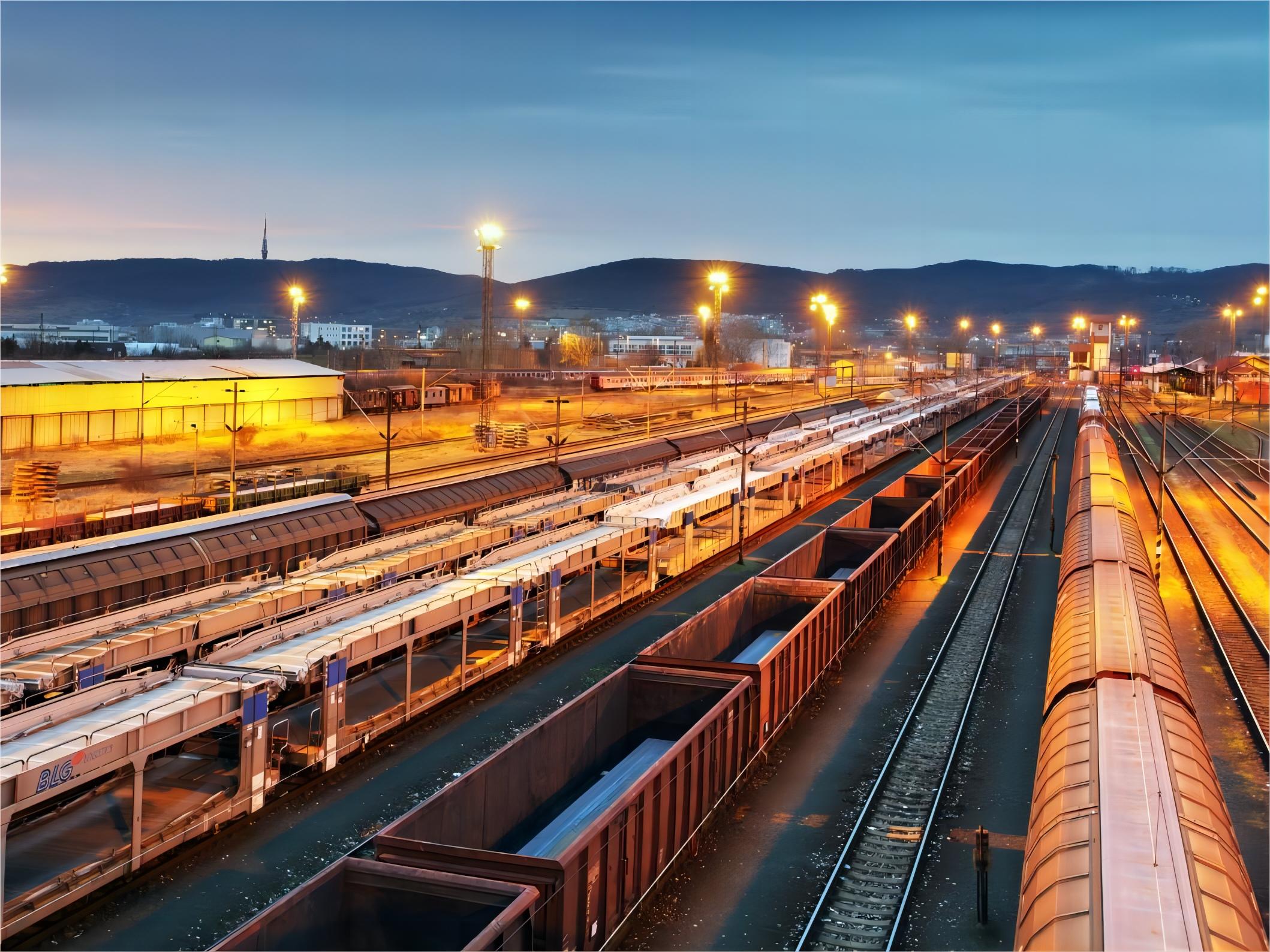


China to Kenya DDP Shipping Service: Your Ultimate 2026 Guide
Navigating the complexities of international trade requires a robust logistics partner who understands the unique demands of the East African market. Many importers struggle with unpredictable costs and complex customs regulations when moving goods from Asian manufacturing hubs to Nairobi or Mombasa. By choosing a professional china to kenya ddp shipping service, you can streamline your supply chain and ensure your cargo arrives safely without hidden fees. This comprehensive guide explores the best shipping strategies for 2026, helping you minimize risks while maximizing your profit margins.

What is China to Kenya DDP Shipping and How Does it Work?
Delivered Duty Paid (DDP) is a specialized shipping agreement where the seller assumes all responsibility for transporting goods until they reach the buyer’s doorstep. Consequently, this means the shipping agent handles everything from export documentation in China to paying import duties and taxes in Kenya. Moreover, this method provides total price transparency, as the quote you receive covers every single expense in the logistics chain.
Importers in Kenya increasingly prefer this method because it eliminates the stress of dealing with local customs authorities directly. Specifically, the agent manages the entire process of clearing the cargo through the Kenya Revenue Authority (KRA) and the Kenya Bureau of Standards (KEBS). Indeed, this service is particularly beneficial for small business owners who may not have the resources to manage a dedicated logistics department.
Choosing a DDP service ensures that your focus remains on sales and marketing rather than worrying about port congestion or fluctuating clearance fees. Furthermore, most 2026 shipping providers offer consolidation services, allowing you to combine small packages into a single shipment to reduce costs. Therefore, you can maintain a lean inventory while still benefiting from competitive international shipping rates.
Why Should You Use Sea Freight for Your Kenya DDP Shipments?
Sea freight remains the backbone of global trade, especially for heavy or bulky items being moved from Chinese ports like Ningbo or Shenzhen. When you utilize sea freight for your DDP shipments, you benefit from the lowest cost per cubic meter available in the market. Additionally, modern container ships offer high reliability and improved transit times compared to previous decades.
Most sea freight DDP services are split into Full Container Load (FCL) and Less than Container Load (LCL) options. If you are importing large volumes of furniture, construction materials, or machinery, FCL is typically the most efficient choice. On the other hand, LCL is perfect for smaller businesses that only need to ship a few pallets of goods at a time.
Transit times for sea freight from China to the Port of Mombasa generally range between 25 and 35 days in 2026. However, once the ship docks, the DDP provider quickly handles the offloading and customs clearance to prevent any unnecessary storage charges. Subsequently, the goods are transported via the Standard Gauge Railway (SGR) or truck to Nairobi and other inland cities.
| Shipping Method | Cost Range (2026) | Transit Time | Best For |
|---|---|---|---|
| Sea DDP LCL | $180 – $260 per CBM | 30-40 Days | Small to Medium Cargo |
| Sea DDP FCL 20GP | $2,800 – $3,800 | 28-35 Days | Bulk Manufactured Goods |
| Sea DDP FCL 40HQ | $4,200 – $5,500 | 28-35 Days | Large Volume Inventory |
| Air DDP Standard | $5.50 – $8.50 per kg | 5-8 Days | High-Value Electronics |
Is Air Freight a Better Option for Your Kenyan Business?
Speed is often the most critical factor for businesses dealing in high-demand consumer electronics or seasonal fashion items. Utilizing air freight ensures that your products reach the Kenyan market in a fraction of the time required by sea transport. Furthermore, air shipping significantly reduces the risk of damage or theft during transit due to the shorter handling times and tighter security at airports.
Standard air DDP services from China to Jomo Kenyatta International Airport (JKIA) usually take between 5 and 9 days. Although the cost per kilogram is higher than sea freight, the speed of turnover allows businesses to reinvest their capital much faster. Consequently, many tech startups in Nairobi use air freight to maintain a constant supply of the latest gadgets without holding excessive stock.
When calculating the cost of air DDP, you must consider the volumetric weight of your packages. Specifically, lightweight but bulky items might be charged based on their size rather than their actual weight. Nevertheless, a professional shipping agent will help you optimize your packaging to ensure you get the best possible rate for your 2026 shipments.

How Does DDP Compare to Other Shipping Options?
Understanding the differences between DDP and other Incoterms like DAP (Delivered at Place) or CIF (Cost, Insurance, and Freight) is essential for cost control. While CIF might appear cheaper initially, it often results in unexpected destination charges and complex customs hurdles once the cargo arrives in Mombasa. In contrast, the china to kenya ddp shipping service provides an all-in price that covers every step from the factory to your warehouse.
DAP shipping requires the buyer to handle all import duties and local taxes upon arrival. For instance, if you have a very strong relationship with a local clearing agent in Kenya, you might save a small percentage using DAP. However, most importers find that the time saved and the risk reduction offered by DDP far outweigh the minor potential cost savings of managing clearance themselves.
Choosing between these methods depends heavily on your experience level and the consistency of your supply chain. For those new to importing from China, DDP is without a doubt the safest and most predictable strategy. Meanwhile, seasoned importers with established local entities might occasionally opt for FCL shipments under CIF terms to gain more granular control over the clearing process.
| Feature | DDP Shipping | DAP Shipping | CIF Shipping |
|---|---|---|---|
| Customs Responsibility | Shipping Agent | Buyer | Buyer |
| Import Duties/Taxes | Included in Quote | Paid by Buyer | Paid by Buyer |
| Risk Level | Very Low | Moderate | High |
| Price Predictability | Guaranteed Total | Variable | Highly Variable |
The Step-by-Step Process of DDP Shipping to Kenya
The journey begins with your supplier in China, where the shipping agent coordinates the pickup of your goods. Once the cargo reaches the warehouse, the team performs a quality check and measures the final dimensions for accurate billing. Additionally, they handle all export documentation required by Chinese customs to ensure a smooth departure from the port or airport.
After the goods are loaded onto the vessel or aircraft, the agent provides you with a tracking number to monitor the progress of your shipment. During the transit phase, the customs brokerage team begins preparing the necessary Kenyan import permits. Consequently, this proactive approach minimizes the time your cargo spends waiting at the port of entry.
Once the shipment arrives in Kenya, the agent pays all duties and clears the goods through the local authorities. Finally, they arrange for door to door delivery to your specified location in Nairobi, Kisumu, or Eldoret. This seamless integration of services ensures that you never have to visit a port or a customs office yourself.
Specialized Solutions for E-commerce and Amazon Sellers
E-commerce entrepreneurs in East Africa are increasingly looking for ways to source products directly from Chinese platforms like Alibaba or 1688. To support this growth, many logistics providers now offer specialized Amazon FBA style fulfillment services adapted for the Kenyan market. This includes cargo consolidation, where multiple small orders are grouped together to benefit from bulk shipping rates.
Consolidation is particularly effective for those testing new products or running small-scale online stores. Specifically, you can have different suppliers send items to a single warehouse in Guangzhou or Yiwu. The shipping agent then repacks these items into a single DDP shipment, significantly reducing your overall logistics overhead.
Moreover, these services often include basic quality inspections and labeling to ensure your products meet Kenyan standards before they leave China. This prevents the costly mistake of importing defective goods that cannot be sold. Therefore, using a specialized DDP service acts as a safety net for your growing e-commerce business in 2026.
Real Case Studies: Successful Shipments to Kenya in 2026
Case Study 1: Electronics Shipment to Nairobi. Route: Shenzhen to Nairobi. Cargo: 500 Smartphones, 1.2 CBM, 320 kg. Method: Air DDP. Cost Breakdown: Total landed cost of $2,400 including all duties. Timeline: 6 days door-to-door. Key Insight: The client avoided a 25 percent duty surprise by using a fixed DDP rate during a period of fluctuating Kenyan tax policies in early 2026.
Case Study 2: Furniture Import for Boutique Hotel. Route: Foshan to Mombasa. Cargo: Luxury Hotel Furniture, 28 CBM (1x20GP). Method: Sea DDP FCL. Cost Breakdown: Ocean freight and clearance total of $3,950. Timeline: 32 days. Key Insight: By using DDP, the hotel owner avoided port storage charges in Mombasa, which often accumulate when individual importers face documentation delays.
Case Study 3: Industrial Spare Parts. Route: Shanghai to Eldoret. Cargo: CNC Machine Parts, 0.8 CBM, 150 kg. Method: Air DDP. Cost Breakdown: $1,150 all-inclusive. Timeline: 8 days. Key Insight: Fast clearance was vital to minimize factory downtime, proving that DDP is essential for critical supply chain components.
Market Trends and Cost-Saving Strategies for 2026
As we progress through 2026, freight rates from China to Africa have stabilized following the global logistics disruptions of previous years. However, fuel surcharges still vary, making it important to lock in quotes with your shipping partner early. Additionally, the expansion of the Lamu Port provides new opportunities for reaching northern Kenya more efficiently than ever before.
To save money on your shipments, consider scheduling your imports outside of the peak seasons, which typically occur before the Lunar New Year and during the Q4 holiday rush. Furthermore, optimizing your product packaging to reduce wasted space can lead to significant savings on LCL and air freight costs. Indeed, even a 10 percent reduction in box size can translate to hundreds of dollars in annual savings.
Another effective strategy is to build a long-term relationship with a single DDP provider. Specifically, frequent shippers often gain access to better credit terms and priority space on vessels during busy periods. Ultimately, consistency in your shipping strategy leads to more predictable lead times and healthier business growth in the competitive Kenyan market.
Which Shipping Option Should You Choose?
Choosing the right method depends on your specific business priorities and the nature of your cargo. If your primary goal is cost-effectiveness for non-urgent goods, Sea DDP LCL is the clear winner for most small businesses. Conversely, if you are handling perishable goods or high-value items that need to be on shelves immediately, Air DDP is the only viable solution.
For bulk commodities or large-scale construction projects, Sea DDP FCL offers the best balance of security and economy. You should also consider the location of your final destination; while Nairobi is well-served by both air and rail from Mombasa, remote areas might require additional trucking coordination. To summarize, evaluate your budget, required speed, and cargo volume before committing to a specific shipping route.
Note on 2026 Pricing and Market Conditions
Market data suggests that while capacity has increased, regional geopolitical factors can still influence transit routes around the Horn of Africa. Typical rates as of early 2026 reflect a more mature logistics infrastructure in Kenya, with improved automation at the Port of Mombasa. Nevertheless, it is always recommended to verify current rates with your agent before finalizing a large purchase order.
Note: Freight rates are subject to change based on fuel costs, carrier capacity, and seasonal demand. Contact us for a current quote tailored to your specific shipment.
Mastering Your China to Kenya Supply Chain
Successfully importing goods from China to Kenya requires a blend of local knowledge and global logistics expertise. By utilizing a china to kenya ddp shipping service, you effectively remove the barriers of customs complexity and unpredictable pricing. This allows you to focus on growing your business while we ensure your products arrive on time and within budget.
As the Kenyan economy continues to expand in 2026, having a reliable shipping partner is more important than ever. Whether you choose the speed of air freight or the economy of sea transport, the DDP model provides the security and transparency needed for modern trade. Start optimizing your cargo movements today to stay ahead of the competition in the vibrant East African marketplace.
Need a tailored shipping solution?
Streamline your imports today with our professional china to kenya ddp shipping service. Whether you are shipping small parcels or full containers, our team ensures a hassle-free experience with no hidden costs. Visit our website to request a personalized quote and let us handle your 2026 logistics needs efficiently.