
China to Nigeria Shipping Cost Container: 2026 Freight Pricing Guide
Understanding the china to nigeria shipping cost container market is essential for businesses looking to optimize their supply chain in 2026. As global trade routes evolve, staying updated on freight fluctuations helps you maintain a competitive edge in the Nigerian market. Global China Forwarder offers expert guidance to help you navigate these complex logistics challenges efficiently. This guide provides a detailed breakdown of current pricing, transit times, and strategic advice for your upcoming shipments.
✦
What Factors Influence the China to Nigeria Shipping Cost Container?
Several variables dictate the final price you pay for moving a container from Chinese ports to Lagos or Port Harcourt. Fuel surcharges and seasonal demand peaks are primary drivers that cause rates to fluctuate weekly. Moreover, port congestion in major hubs like Apapa can lead to additional detention and demurrage charges. Furthermore, the global availability of empty containers often impacts the baseline ocean freight rates significantly.
Currency exchange rates between the Chinese Yuan, US Dollar, and Nigerian Naira also play a critical role in total landed costs. Consequently, importers must monitor market trends to time their bookings for maximum savings. Additionally, the type of goods being shipped can influence insurance premiums and specialized handling fees. Meanwhile, carrier capacity and alliance schedules determine the frequency and reliability of available shipping slots.
Comparing FCL and LCL Shipping Options for Nigeria
Choosing between Full Container Load (FCL) and Less than Container Load (LCL) depends largely on your cargo volume and budget. If you have enough goods to fill a 20ft or 40ft container, sea freight FCL is generally the most cost-effective method. On the other hand, LCL allows you to share space with other shippers, which is ideal for smaller consignments. However, LCL often involves longer transit times due to the consolidation and deconsolidation processes.
Security is another factor to consider when selecting your shipping method. FCL shipments remain sealed from the point of origin to the destination, reducing the risk of damage or theft. In contrast, LCL cargo is handled more frequently, which might increase the likelihood of minor accidents during transit. Therefore, high-value goods are often better suited for dedicated containers even if the volume is slightly below capacity.
| Feature | FCL (Full Container) | LCL (Shared Container) | Recommendation |
|---|---|---|---|
| Cost Structure | Flat rate per container | Per Cubic Meter (CBM) | FCL for >15 CBM |
| Transit Time | Faster (Direct) | Slower (Consolidation) | FCL for urgency |
| Security | High (Sealed) | Moderate (Handled) | FCL for fragile items |
| Flexibility | Limited to container size | Highly flexible | LCL for small batches |
Average Container Shipping Rates for 2026
Current market data for early 2026 suggests that container rates have stabilized compared to the volatility seen in previous years. For a 20ft container (20GP), shippers can expect to pay between $2,500 and $3,200 depending on the departure port. Meanwhile, 40ft high cube (40HQ) containers typically range from $4,100 to $5,500 for the same route. These prices usually include the base ocean freight but may exclude local charges and terminal handling fees.
Note: Freight rates are subject to change based on fuel costs, carrier capacity, and seasonal demand. Contact us for a current quote tailored to your specific shipment.
| Route | 20GP Container | 40GP Container | 40HQ Container |
|---|---|---|---|
| Shenzhen to Lagos | $2,600 – $3,100 | $3,900 – $4,700 | $4,200 – $5,300 |
| Ningbo to Lagos | $2,750 – $3,250 | $4,000 – $4,900 | $4,400 – $5,500 |
| Shanghai to Lagos | $2,800 – $3,350 | $4,100 – $5,100 | $4,600 – $5,700 |
| Qingdao to Lagos | $2,900 – $3,450 | $4,200 – $5,250 | $4,800 – $5,900 |
How Does Sea Freight Compare to Other Shipping Options?
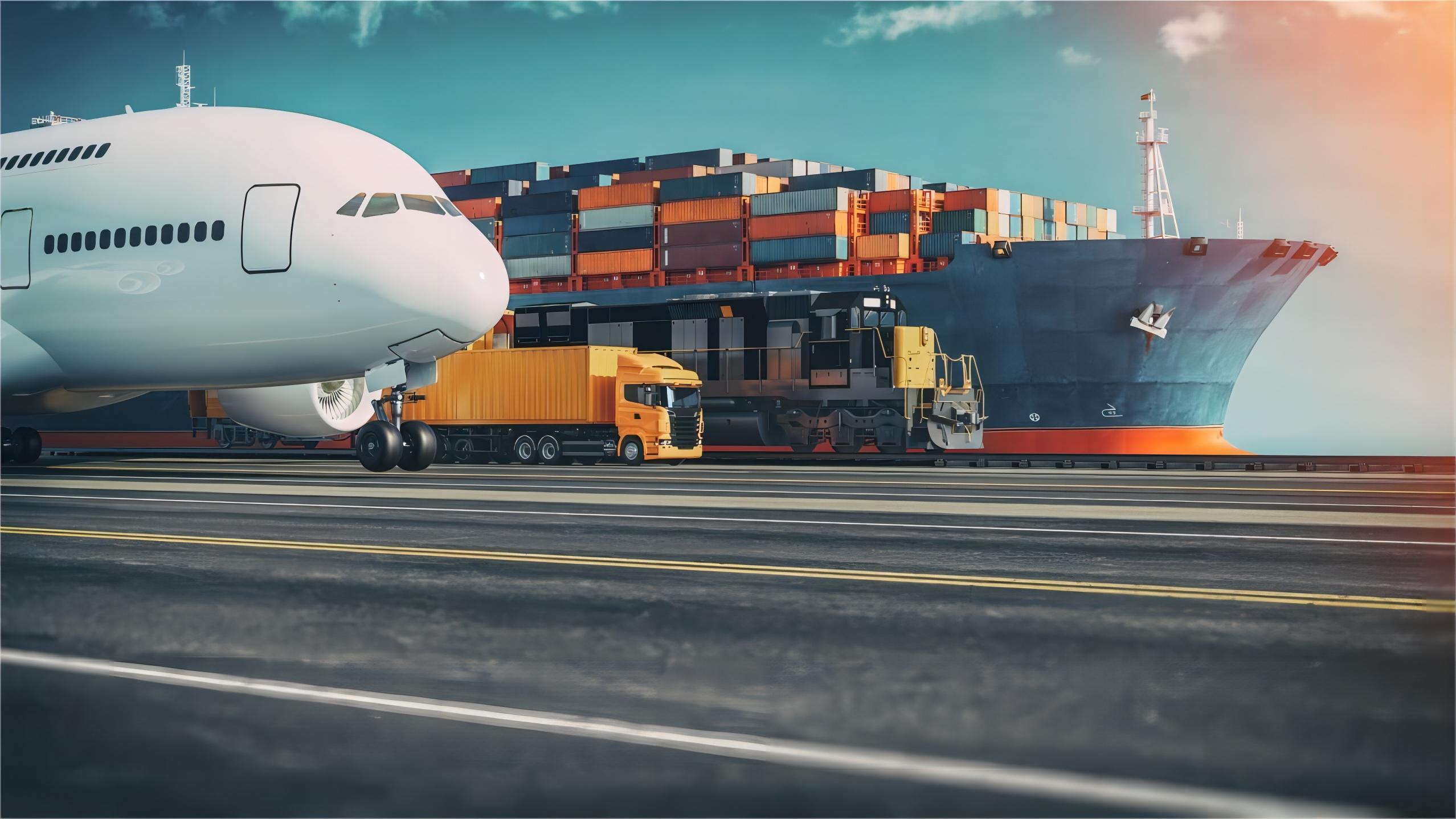
While sea freight is the standard for heavy machinery and bulk commodities, other methods offer distinct advantages for specific needs. For instance, air freight is significantly faster but comes at a much higher price point per kilogram. If you are shipping urgent electronics or medical supplies, the speed of air transport often justifies the expense. Additionally, express service providers offer the fastest door-to-door delivery for small parcels and documents.
Choosing the right method involves balancing speed, cost, and cargo safety. Sea freight remains the backbone of China-Nigeria trade due to its massive capacity and lower environmental impact per ton. However, businesses often use a hybrid approach, shipping the bulk of their inventory by sea while using air freight for restock emergencies. This strategy ensures product availability without breaking the logistics budget.
| Method | Cost Range | Transit Time | Best For |
|---|---|---|---|
| Sea Freight FCL | $2,500 – $5,500 | 35 – 50 Days | Bulk / Heavy Cargo |
| Sea Freight LCL | $150 – $250 /CBM | 40 – 55 Days | Small Business Stock |
| Air Freight | $4.50 – $8.50 /kg | 5 – 10 Days | Urgent / High Value |
| Express Courier | $9.00 – $15.00 /kg | 3 – 6 Days | Samples / Documents |
Transit Times from Major Chinese Ports to Nigeria
The duration of your shipment depends heavily on the port of loading and the specific shipping line used. Direct sailings from South China ports like Shenzhen are generally faster than those originating from Northern ports like Tianjin. Typically, the sea transit time ranges from 35 to 45 days for most major carriers. Nevertheless, you should factor in an additional 7 to 10 days for loading, documentation, and customs clearance at both ends.
Weather conditions and transshipment stops in hubs like Singapore or Colombo can also add delays to the schedule. Consequently, it is wise to plan your inventory cycles with a 60-day buffer to avoid stockouts. Furthermore, peak seasons such as the months leading up to December often see increased congestion at Nigerian ports. Therefore, early booking during these periods is highly recommended to secure space on the vessel.
Customs Clearance and Documentation Requirements
Navigating Nigerian customs requires precise documentation to avoid heavy fines or cargo seizure. Key documents include the Bill of Lading, Commercial Invoice, Packing List, and the Combined Certificate of Value and Origin (CCVO). Additionally, importers must obtain a Form M and a Pre-Arrival Assessment Report (PAAR) through the Nigerian Customs Service. Utilizing a professional customs brokerage service can streamline this process and ensure compliance with local regulations.
Accurate classification of goods using the correct HS Codes is vital for determining the applicable duties and taxes. Errors in documentation can lead to lengthy delays at the port of discharge, increasing your total china to nigeria shipping cost container. Moreover, certain items may require specific permits from regulatory bodies like NAFDAC or SON. Indeed, preparing your paperwork well in advance of the ship’s arrival is the best way to ensure a smooth clearing process.
Door to Door Logistics for Seamless Delivery
For many businesses, managing multiple logistics providers is too complex and time-consuming. Opting for a door to door service simplifies the entire process by providing a single point of contact. This comprehensive solution covers everything from factory pickup in China to final delivery at your warehouse in Nigeria. Furthermore, it often includes customs clearance, inland trucking, and cargo insurance in one transparent price.
This integrated approach reduces the risk of communication gaps between different freight forwarders and local transporters. Consequently, you can focus on your core business operations while experts handle the technicalities of international shipping. Additionally, door-to-door services provide better tracking visibility, allowing you to monitor your cargo’s progress in real-time. To summarize, this method offers the highest level of convenience for modern importers.
Real-World Case Studies of Shipping to Nigeria
Case Study 1: A textile importer in Lagos ordered a 40HQ container of fabric from Guangzhou in Q1 2026. The ocean freight cost was $4,350, with a total transit time of 42 days from port to port. By utilizing a direct route, they avoided transshipment delays and successfully cleared customs within 5 days of arrival. The total landed cost per unit remained within budget, allowing for a successful seasonal launch.
Case Study 2: An electronics retailer in Abuja required 5 CBM of high-end gadgets from Shenzhen. They chose LCL sea freight to save on costs compared to air transport. The shipment cost $1,100 including local handling and took 48 days to arrive. Although slower than air, the significant savings on the china to nigeria shipping cost container allowed them to offer more competitive pricing to their customers.
Strategies to Reduce Your Shipping Costs
Consolidating shipments is one of the most effective ways to lower your overall logistics expenses. If you source products from multiple suppliers in China, consider using a warehouse to combine them into a single FCL shipment. Moreover, optimizing your packaging to reduce wasted space within the container can lead to substantial savings. Furthermore, negotiating long-term contracts with freight forwarders can provide more stable pricing during market fluctuations.
Choosing the right port of entry in Nigeria can also impact your final costs. While Apapa is the busiest, Port Harcourt or Onne might offer faster clearance times for certain regions. Additionally, staying informed about trade agreements and duty exemptions can help you legally reduce tax liabilities. Finally, always request multiple quotes and compare the breakdown of fees to ensure you are getting the best value for your shipping budget.
Final Thoughts on Shipping from China to Nigeria
Successfully managing the china to nigeria shipping cost container requires a combination of market knowledge, strategic planning, and reliable partnerships. By understanding the differences between FCL and LCL, and keeping an eye on 2026 price trends, you can make informed decisions that benefit your bottom line. Remember that while cost is important, the reliability and safety of your cargo should always be a top priority.
As the trade relationship between China and Nigeria continues to grow, logistics providers are offering more tailored solutions than ever before. Whether you choose sea freight for its economy or air freight for its speed, working with experienced professionals ensures your goods arrive on time and in good condition. Start planning your next shipment today to take advantage of current market opportunities.
Maximize your profit margins by securing the most competitive china to nigeria shipping cost container rates today. Contact our logistics experts for a personalized quote and professional guidance on your next shipment. Send Inquiry
Request Quote