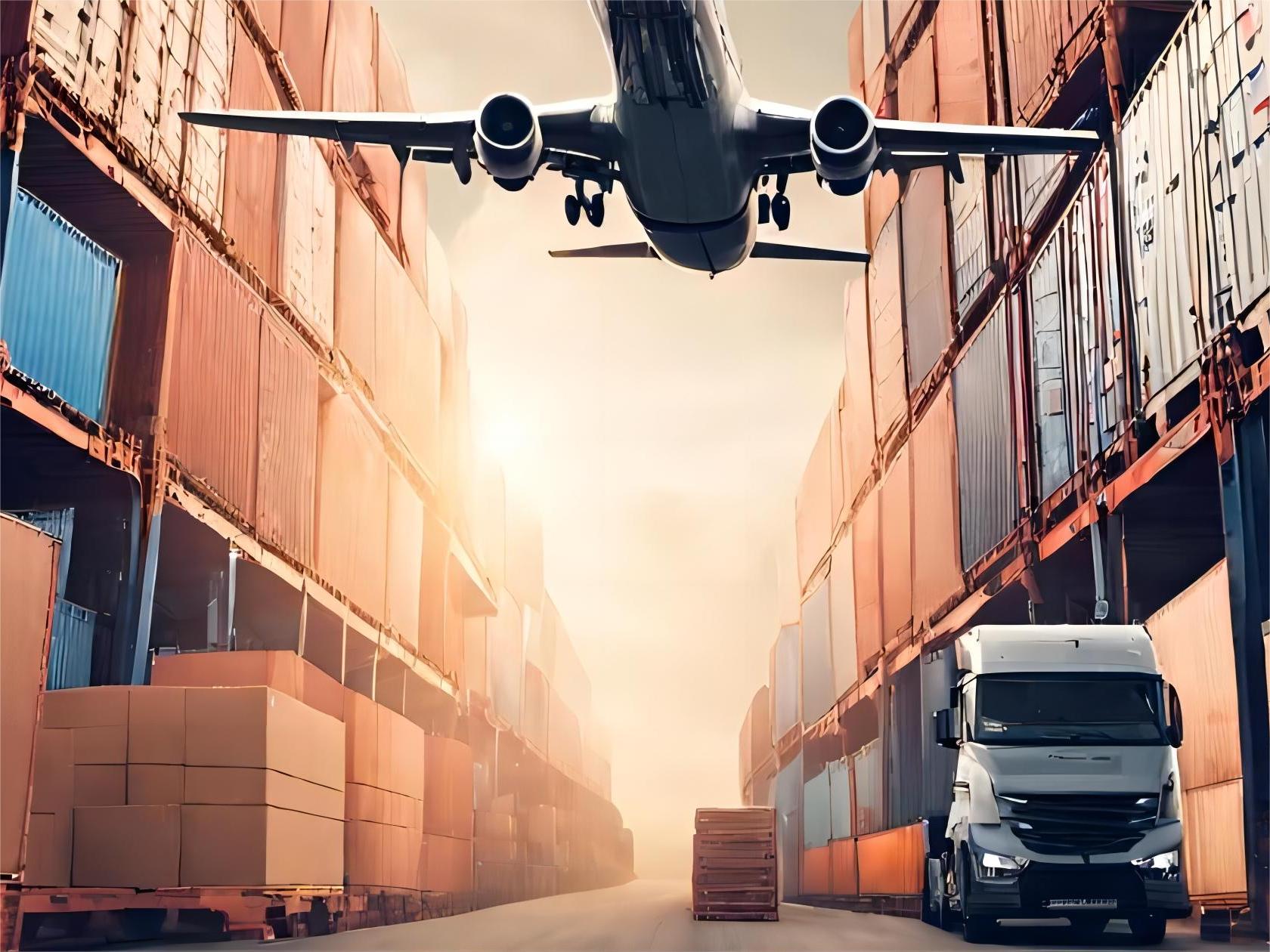


China to Germany Air Freight Cost: 2026 Complete Pricing Guide
Navigating the complexities of international logistics requires a clear understanding of the China to Germany air freight cost to maintain healthy profit margins. Businesses frequently encounter fluctuating rates and varying service levels that impact their overall supply chain efficiency. By partnering with a reliable Global China Forwarder, you can access competitive pricing and streamlined shipping solutions tailored to your specific cargo needs. This guide provides a comprehensive breakdown of current market rates and essential tips for reducing your transportation expenses in 2026.
Understanding the Components of China to Germany Air Freight Cost
Calculating the total China to Germany air freight cost involves more than just the base rate per kilogram. Carriers apply various surcharges such as fuel adjustments and security fees that can significantly alter the final invoice. Furthermore, ground handling charges at both the origin and destination airports must be factored into your logistics budget.
Market conditions in 2026 continue to influence these prices based on seasonal demand and global economic shifts. Consequently, shippers should stay informed about current trends to avoid unexpected financial burdens during peak periods. Understanding these variables allows for better financial planning and more accurate product pricing for the German market.
How Does Air Freight Compare to Other Shipping Options?
While air cargo offers the fastest delivery times, comparing it to other modes is essential for cost-effectiveness. For example, sea freight remains the primary choice for massive volumes where speed is less critical. However, air freight provides unparalleled security and speed for high-value electronics or urgent inventory replenishments.
Choosing the right method depends heavily on your specific cargo volume and required delivery window. Meanwhile, hybrid solutions like sea-air or rail-air combinations are gaining popularity for their balance between speed and expenditure. The following table illustrates the primary differences between these transport modes for the China-Germany route.
| Shipping Method | Cost Range (USD) | Transit Time | Best For |
|---|---|---|---|
| Air Freight | $4.50 – $8.00 per kg | 3-7 Days | High-value, Urgent |
| Rail Freight | $120 – $180 per CBM | 15-22 Days | Medium Volume, Eco |
| Sea Freight | $2,200 – $3,800 (40HQ) | 30-45 Days | Bulk Cargo, Budget |
| Express | $7.00 – $12.00 per kg | 2-4 Days | Small Parcels, Samples |

Key Factors Influencing Air Freight Rates in 2026
Fuel surcharges represent one of the most volatile elements of the China to Germany air freight cost structure. As energy prices fluctuate, airlines adjust their rates weekly to reflect the current cost of aviation fuel. Additionally, the availability of cargo space on passenger flights significantly impacts the supply-and-demand balance in the logistics industry.
Peak seasons, particularly before the Lunar New Year and the Q4 holiday rush, often see rates double due to high demand. Therefore, booking your shipments at least two weeks in advance is highly recommended to secure better pricing. For those seeking a balance of speed and cost, rail freight serves as an excellent alternative during air capacity crunches.
How to Calculate Chargeable Weight for Air Cargo
Airlines determine the China to Germany air freight cost based on either the actual weight or the volumetric weight of the cargo. Specifically, the volumetric weight is calculated using the formula: (Length x Width x Height) in centimeters divided by 6000. The carrier will always bill based on whichever value is higher to ensure they maximize their cargo space efficiency.
For instance, a shipment of lightweight pillows will likely be billed by volume rather than actual mass. In contrast, heavy machinery parts are usually billed by their physical weight due to their high density. Knowing this distinction helps importers optimize their packaging to reduce unnecessary dimensional weight charges.
Estimated Air Freight Rates from China to Germany
Current market data suggests that shipping rates have stabilized in early 2026 following previous global disruptions. Standard air freight for shipments over 100kg typically ranges from $5.50 to $7.50 per kilogram depending on the departure city. Larger shipments exceeding 1000kg may benefit from volume discounts, bringing costs down toward the $4.50 range.
Direct flights from major hubs like Shanghai or Shenzhen to Frankfurt generally command a premium over deferred services. Nevertheless, choosing a transshipment route via Dubai or Istanbul can sometimes save 10-15% on the total freight bill. The table below provides a snapshot of estimated costs for different weight brackets as of Q2 2026.
| Weight Bracket | Standard Air ($/kg) | Express Air ($/kg) | Estimated Transit |
|---|---|---|---|
| 45kg – 100kg | $7.50 – $9.00 | $11.00 – $14.00 | 5-7 Days |
| 101kg – 500kg | $6.00 – $7.50 | $9.00 – $11.00 | 4-6 Days |
| 501kg – 1000kg | $5.00 – $6.50 | $8.00 – $10.00 | 4-6 Days |
| Over 1000kg | $4.50 – $5.80 | Contact for Quote | 3-5 Days |
Customs Clearance and Documentation Requirements
Navigating German customs is a critical step that can affect both the timeline and the final China to Germany air freight cost. Importers must provide an accurate Commercial Invoice, a Packing List, and an Air Waybill to avoid costly delays at the border. Moreover, certain products may require specific certificates of origin or safety compliance documents like the CE mark.
Working with an experienced customs brokerage ensures that all paperwork meets EU regulations efficiently. Consequently, this prevents storage fees that accumulate rapidly if cargo is held at the airport for inspection. Proper classification of goods using the correct HS codes is also vital for determining accurate import duties and VAT.
Selecting the Best Service: Express vs. Standard Air
When time is the most critical factor, an express service provides door-to-door delivery within 48 to 72 hours. This option is ideal for small parcels, urgent documents, or critical spare parts that need to reach German factories immediately. Although more expensive, the convenience of inclusive customs handling and faster transit often justifies the higher price point.
Standard air freight, on the other hand, is usually airport-to-airport and requires separate arrangements for local trucking. This method is more economical for shipments over 100kg where a 5-day transit window is acceptable. Ultimately, your choice should align with your inventory needs and the urgency of your customers in Germany.
Real-World Case Studies for China to Germany Shipping
Case Study 1: Electronics from Shenzhen to Frankfurt. A tech company shipped 450kg of high-end tablets using standard air freight. The total China to Germany air freight cost was approximately $3,150, including origin fees and fuel surcharges. Transit time from the Shenzhen warehouse to Frankfurt airport arrival took exactly 5 days.
Case Study 2: Fashion Apparel from Shanghai to Munich. A boutique retailer imported 200kg of seasonal clothing via express courier to meet a store opening deadline. The total landed cost reached $2,400, but the goods arrived door-to-door in just 3 days. This allowed the client to capitalize on a market trend that would have been missed using slower shipping methods.

Strategic Cost-Saving Tips for Importers
Optimizing your packaging to reduce the volumetric weight is the most effective way to lower your China to Germany air freight cost. For instance, removing excess air from polybags or using custom-sized boxes can significantly decrease the chargeable weight. Furthermore, consolidating multiple small orders into a single large shipment can help you qualify for lower weight-bracket rates.
If you are an e-commerce seller, utilizing Amazon FBA services can streamline your distribution within Germany. By shipping in bulk to German fulfillment centers, you reduce the per-unit cost compared to individual international shipments. Additionally, always request quotes from multiple forwarders to ensure you are receiving the most competitive market rate available.
Final Thoughts on Air Freight Logistics
Managing the China to Germany air freight cost effectively requires a combination of strategic planning and market awareness. By understanding the factors that drive pricing, such as chargeable weight and seasonal demand, you can make informed decisions that protect your bottom line. Whether you choose express air or standard cargo services, selecting the right partner is essential for ensuring your goods arrive safely and on time in the German market.
As global trade continues to evolve in 2026, staying flexible and exploring alternative routes will remain key to logistical success. Remember to factor in all costs, including customs and local delivery, to calculate a true landed cost for your imports. With the right approach, air freight remains a powerful tool for maintaining a competitive edge in international commerce.
Need a tailored shipping solution?
Ready to optimize your logistics? Contact our expert team today to receive a personalized quote for your China to Germany air freight cost and discover how we can streamline your 2026 supply chain operations. Visit our inquiry page to get started.