

China to Australia Shipping 2026 Netherlands: Guide
Navigating the complexities of international trade requires a deep understanding of evolving logistics landscapes. Shippers looking for Global China Forwarder solutions must prepare for the unique demands of china to australia shipping 2026 netherlands routes. This guide provides comprehensive insights into optimizing your supply chain for the coming years, ensuring your cargo moves efficiently across global waters. Whether you are a Dutch entity managing Asian manufacturing or an Australian importer, understanding these dynamics is essential for success.
Analyzing China to Australia Shipping 2026 Netherlands Market Trends
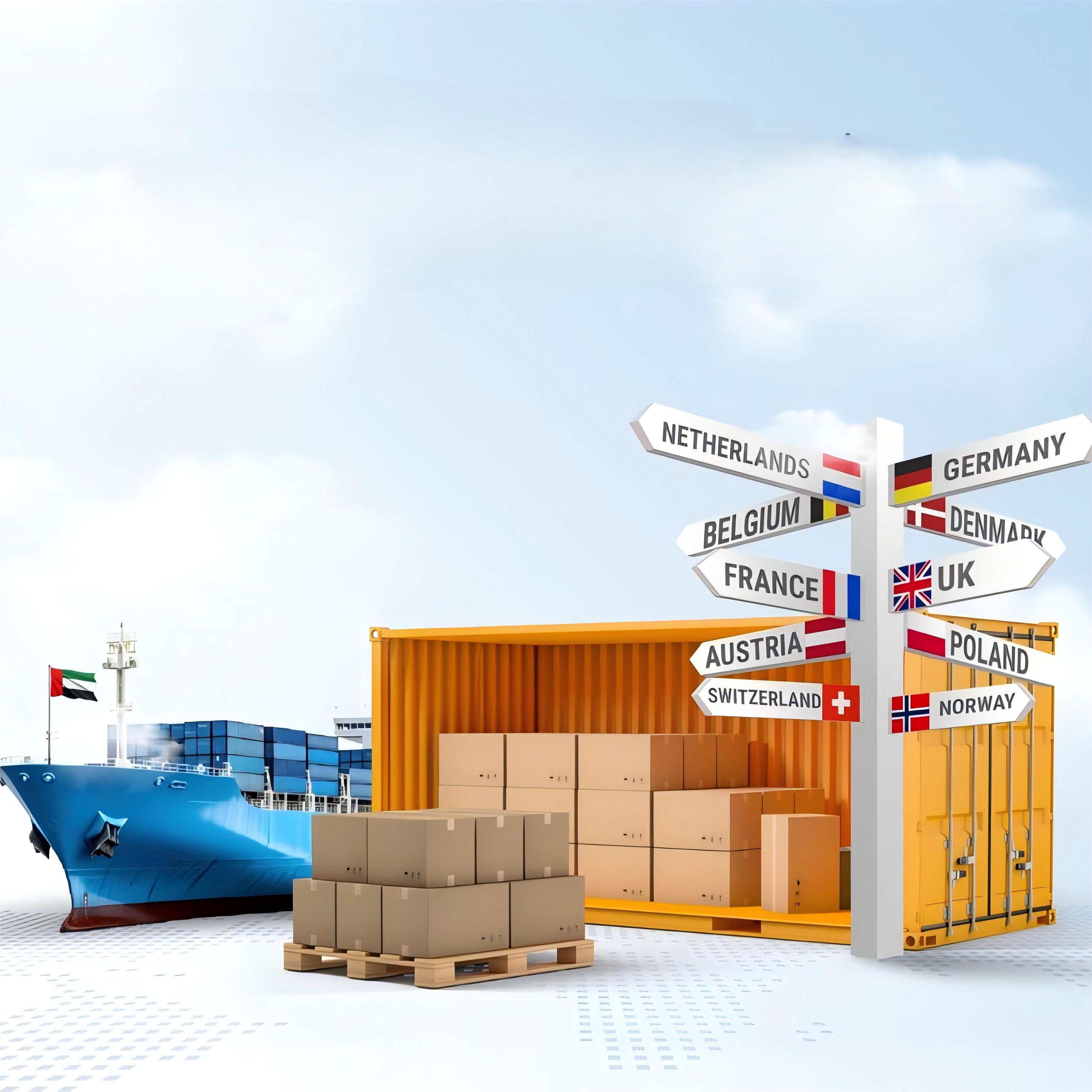
Market intelligence suggests that the logistics sector will undergo significant digital transformation by 2026. Consequently, shippers must adapt to automated tracking systems and greener shipping initiatives that influence carrier selection. Furthermore, the trade relationship between China and Australia continues to strengthen, driven by high demand for electronics and raw materials.
Indeed, Dutch companies managing these routes often leverage European logistics hubs to oversee global operations. This cross-continental management style requires robust communication and real-time data integration. Moreover, port efficiency in major hubs like Shanghai and Sydney will be a deciding factor in overall transit success.
Additionally, the integration of AI-driven predictive analytics will help businesses anticipate potential port congestion. Therefore, staying informed about these technological shifts is no longer optional for competitive businesses. Meanwhile, environmental regulations will likely introduce new carbon-related surcharges on major maritime lanes.
How Does Sea Freight Compare to Other Shipping Options?
Choosing the right mode of transport depends heavily on your budget and urgency. Specifically, sea freight remains the most economical choice for large volumes of cargo. On the other hand, air freight provides unmatched speed for high-value or time-sensitive shipments.
As a result, most businesses use sea freight for the bulk of their inventory while reserving air freight for emergencies. Without a doubt, the cost-to-weight ratio for ocean transport is far superior for heavy machinery or furniture. However, you must account for longer lead times when planning your inventory cycles.
| Shipping Method | Cost Range | Transit Time | Best For |
|---|---|---|---|
| Sea Freight (FCL) | USD 1,200 – 2,000 | 18 – 25 Days | Large Inventory |
| Air Freight | USD 5.00 – 9.00/kg | 3 – 7 Days | Urgent Goods |
| Sea-Air Hybrid | USD 2.50 – 4.50/kg | 10 – 14 Days | Balanced Needs |
| LCL Shipping | USD 80 – 150/CBM | 22 – 30 Days | Small Batches |
Cost Factors for China to Australia Shipping 2026 Netherlands
Understanding the breakdown of expenses is crucial for accurate budgeting. For instance, air freight costs are primarily driven by fuel surcharges and seasonal demand spikes. In contrast, ocean freight rates fluctuate based on container availability and port labor conditions.
Furthermore, Dutch companies must consider currency exchange rates between the Euro, Yuan, and Australian Dollar. Consequently, small fluctuations can impact the total landed cost of your products. Additionally, origin charges such as terminal handling and documentation fees must be included in your initial estimates.
Indeed, managing these costs requires a strategic approach to volume consolidation. Shippers who combine smaller orders into full container loads often see a significant reduction in per-unit shipping expenses. Note: Freight rates are subject to change based on fuel costs, carrier capacity, and seasonal demand. Contact us for a current quote tailored to your specific shipment.
| Container Type | Estimated Rate 2026 | Capacity | Usage |
|---|---|---|---|
| 20GP Container | USD 900 – 1,300 | 28 CBM | Heavy Goods |
| 40GP Container | USD 1,400 – 1,900 | 56 CBM | General Cargo |
| 40HQ Container | USD 1,600 – 2,200 | 68 CBM | Light/Bulky |
Alternative Strategies for Global Logistics
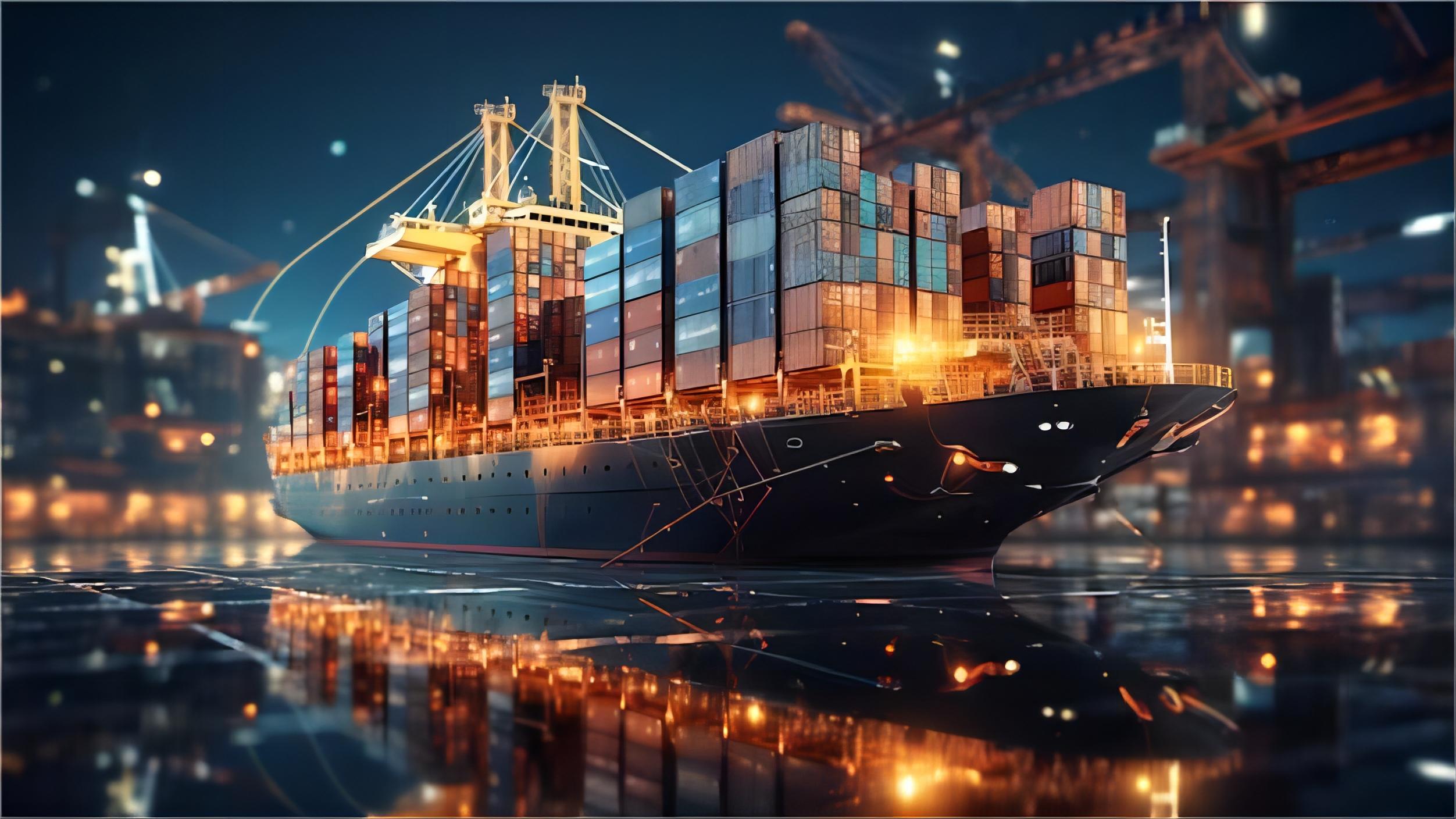
Relying on a single shipping method can be risky in a volatile market. For instance, if sea freight faces delays, a sea-air hybrid solution via Singapore can save several days of transit time. This alternative approach offers a middle ground between the high cost of air and the slow speed of ocean transport.
Moreover, transshipment through secondary ports can sometimes offer lower freight rates. While this adds complexity to the documentation process, the cost savings for non-urgent cargo are often substantial. Nevertheless, you should weigh these savings against the increased risk of handling damage during transfer.
Additionally, direct shipping routes from Shenzhen to Brisbane are becoming more frequent. Consequently, businesses can avoid the congestion of larger hubs like Sydney. Using regional ports often results in faster customs clearance and lower local delivery fees.
Which Option Should You Choose?
Selecting the optimal shipping route requires a clear hierarchy of priorities. If your primary goal is budget conservation, sea freight is the clear winner for china to australia shipping 2026 netherlands. However, if your supply chain depends on rapid turnover, the investment in air freight is justified.
Specifically, you should choose FCL (Full Container Load) if your shipment exceeds 15 cubic meters. For smaller volumes, LCL (Less than Container Load) allows you to share space and costs with other shippers. Furthermore, always consult with a customs brokerage expert to ensure your documentation meets Australian standards.
Planning for 2026 also means considering the environmental impact of your logistics choices. Many Australian consumers now prefer brands that utilize sustainable shipping practices. Therefore, opting for carriers with modern, fuel-efficient fleets can enhance your brand reputation.
Real-World Case Studies in International Logistics
Case Study 1: Solar Panel Distribution Route: Shenzhen, China to Sydney, Australia Cargo: Solar Panels, 12 CBM, 2500 kg Container: LCL Shipping Details: – Carrier: Major Ocean Carrier – Port of Loading: Shenzhen – Port of Discharge: Sydney – Route Type: Direct Cost Breakdown: – Ocean Freight: USD 1,100 – Origin Charges: USD 250 – Destination Charges: USD 350 – Customs Duties: USD 400 – Total Landed Cost: USD 2,100 Timeline: – Booking to Loading: 4 days – Sea Transit: 18 days – Customs Clearance: 2 days – Total Door-to-Door: 24 days Key Insight: LCL was the most cost-effective method for this mid-sized shipment, allowing the client to maintain lean inventory levels without paying for an entire container.
Case Study 2: Industrial Machinery Export Route: Ningbo, China to Melbourne, Australia Cargo: CNC Machinery, 65 CBM, 12000 kg Container: 40HQ Shipping Details: – Carrier: COSCO – Port of Loading: Ningbo – Port of Discharge: Melbourne – Route Type: Direct Cost Breakdown: – Ocean Freight: USD 1,850 – Origin Charges: USD 300 – Destination Charges: USD 450 – Customs Duties: USD 1,200 – Total Landed Cost: USD 3,800 Timeline: – Booking to Loading: 6 days – Sea Transit: 20 days – Customs Clearance: 3 days – Total Door-to-Door: 29 days Key Insight: Using a 40HQ container maximized the volume-to-cost ratio, which is essential for heavy industrial equipment. Pre-clearing customs saved 48 hours at the destination port.
Case Study 3: Retail Goods via Sea-Air Route: Shanghai, China to Brisbane, Australia (via Singapore) Cargo: Consumer Electronics, 2 CBM, 400 kg Container: Air Freight (Hybrid) Shipping Details: – Carrier: Hybrid Service – Port of Loading: Shanghai – Port of Discharge: Brisbane – Route Type: Transshipment via Singapore Cost Breakdown: – Freight Charge: USD 1,400 – Origin Charges: USD 150 – Destination Charges: USD 200 – Customs Duties: USD 600 – Total Landed Cost: USD 2,350 Timeline: – Booking to Loading: 2 days – Transit: 11 days – Customs Clearance: 1 day – Total Door-to-Door: 14 days Key Insight: The sea-air hybrid option provided a critical solution for a product launch, arriving twice as fast as sea freight at half the cost of pure air freight.
Essential Documentation and Customs Compliance
Navigating the regulatory environment is a vital step for shipping from China to Australia. Indeed, the Australian Border Force maintains strict biosecurity and trade regulations that all importers must follow. Consequently, failing to provide accurate documentation can lead to expensive delays and fines.
Moreover, the China-Australia Free Trade Agreement (ChAFTA) offers significant duty reductions for many product categories. To benefit from these rates, you must provide a valid Certificate of Origin. Additionally, ensure your commercial invoices clearly state the value and description of the goods to avoid valuation disputes.
Proper labeling and packaging are also critical for smooth transit. Specifically, wooden packaging must be treated and certified to prevent the introduction of pests. Therefore, working with an experienced logistics partner ensures that all these technical details are handled correctly before the cargo leaves China.
Maximizing Efficiency with Door to Door Services
For many businesses, a door to door service offers the highest level of convenience. This comprehensive solution covers everything from factory pickup in China to final delivery at your Australian warehouse. As a result, you can focus on your core business operations while experts manage the logistics chain.
Indeed, this service model simplifies the billing process by providing a single quote for the entire journey. Furthermore, it reduces the number of intermediaries involved, which minimizes the risk of communication errors. Consequently, your supply chain becomes more transparent and easier to manage.
Without a doubt, the peace of mind provided by end-to-end tracking is invaluable for high-value shipments. Shippers can monitor their cargo at every stage, from the loading dock in Shenzhen to the delivery van in Sydney. Meanwhile, the logistics provider handles all port coordination and local trucking logistics.
Summary of Logistics Excellence
Mastering the nuances of china to australia shipping 2026 netherlands requires a proactive approach to market trends and cost management. By choosing the right shipping method and leveraging professional expertise, you can ensure your goods arrive safely and on time. Remember to stay updated on regulatory changes and technological advancements that will shape the future of global trade.
Indeed, the synergy between Chinese manufacturing, Dutch management, and Australian consumption creates a powerful economic engine. Successful businesses will be those that adapt quickly to the evolving landscape of 2026. Trust in reliable partners to navigate the complexities of international freight forwarding and customs compliance.

Ready to streamline your logistics?
Optimizing your china to australia shipping 2026 netherlands strategy is the key to maintaining a competitive edge in the global market. Contact our expert team at Global China Forwarder today to receive a personalized quote and streamline your international logistics. Visit our website to learn more about our comprehensive service offerings.
Request Quote