

China to USA Shipping with Tracking: Complete 2025 Guide
Navigating the complexities of international logistics requires a partner who ensures visibility at every stage of the journey. Businesses looking for reliable Global China Forwarder solutions often prioritize China to USA shipping with tracking to maintain supply chain integrity and meet customer expectations. This comprehensive guide explores the best methods for transporting goods across the Pacific while keeping your inventory visible from the factory floor to the final destination.
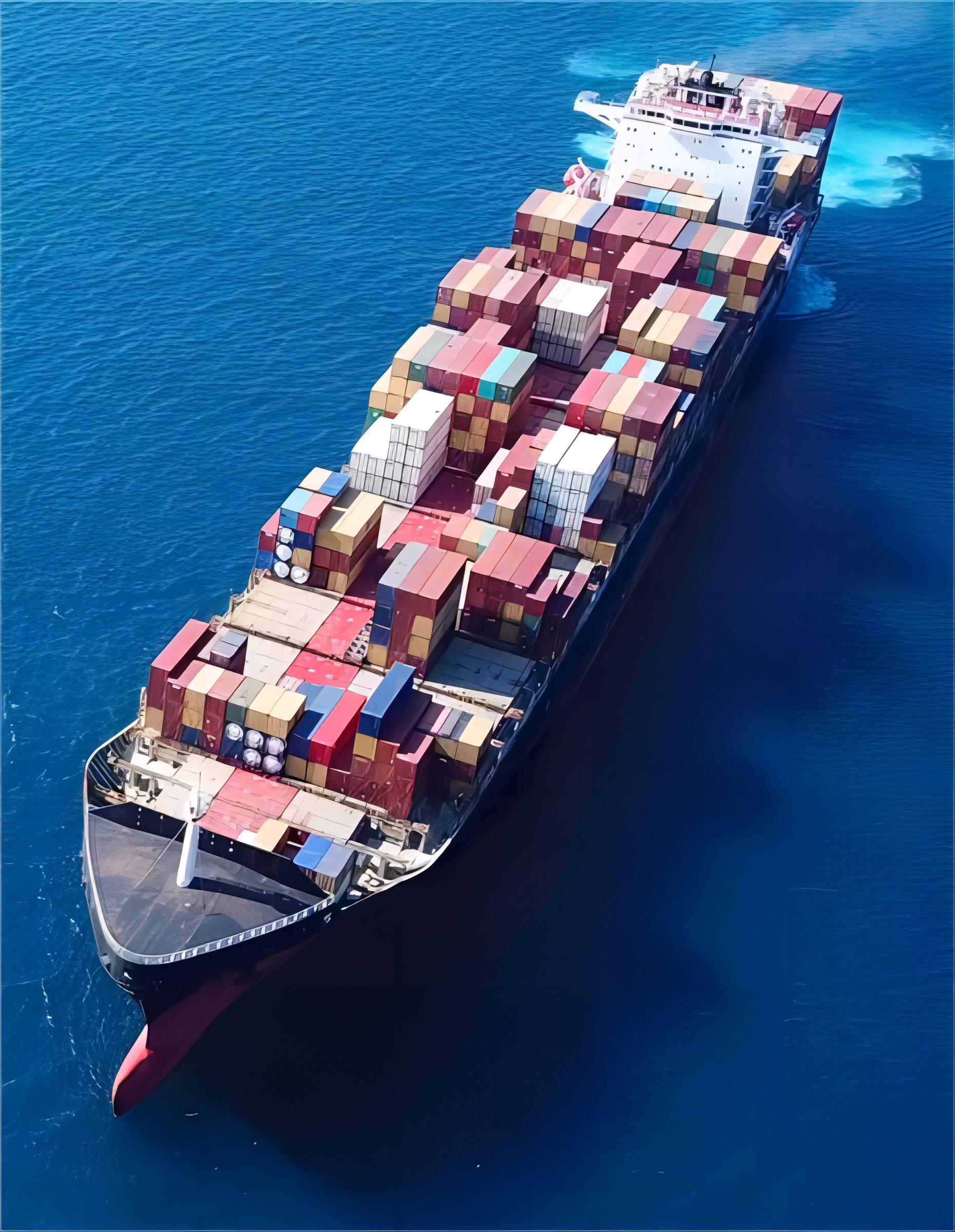
Why Real-Time Tracking is Essential for Trans-Pacific Logistics
Modern supply chains depend heavily on data accuracy to prevent costly delays and inventory shortages. Consequently, implementing a robust tracking system allows importers to anticipate arrival dates and manage warehouse labor more effectively.
Furthermore, real-time visibility provides peace of mind when dealing with high-value cargo or tight production schedules. Therefore, choosing a provider that offers end-to-end transparency is no longer a luxury but a fundamental business requirement.
Visibility helps mitigate risks associated with port congestion or weather disruptions by providing early warnings. Additionally, accurate data allows for better communication with end customers who expect frequent updates on their orders.
Exploring the Best Methods for China to USA Shipping with Tracking
Different shipping volumes and budget constraints dictate which transport method best suits your specific needs. For instance, small parcels and urgent samples often travel via express service to ensure the fastest possible delivery to the United States.
Air transport offers a middle ground for high-value goods that require speed without the extreme cost of courier services. Meanwhile, ocean transport remains the most economical choice for large-scale manufacturing shipments and bulk commodities.
Regardless of the method chosen, digital tracking platforms now integrate with carrier data to provide milestone updates. Specifically, these systems monitor vessel departures, port arrivals, and customs clearance status in real time.
Air Freight Solutions for High-Value Cargo
Utilizing air freight provides a significant advantage for businesses dealing with perishable items or electronics. Because transit times typically range from three to eight days, companies can reduce their safety stock levels significantly.
Logistics trends suggest that more importers are turning to air solutions during peak seasons to bypass ocean port bottlenecks. However, the higher cost per kilogram requires careful calculation of the total landed cost to ensure profitability.
How Does Sea Freight Compare to Other Shipping Options?
Understanding the trade-offs between cost and speed is vital for long-term supply chain planning. While sea freight offers the lowest price per unit, it requires the longest lead times, often exceeding thirty days.
Importers must weigh the benefits of lower freight rates against the capital tied up in transit during the long voyage. Consequently, many businesses use a hybrid approach, shipping the bulk of their inventory by sea while using air for urgent restocks.
| Shipping Method | Cost Range | Transit Time | Best For | Limitations |
|---|---|---|---|---|
| Express Courier | $8 – $15 per kg | 3 – 5 Days | Small parcels, samples | Very high cost for bulk |
| Air Freight | $4 – $8 per kg | 5 – 10 Days | High-value, urgent goods | Strict weight limits |
| Sea Freight (LCL) | $100 – $200 per CBM | 25 – 40 Days | Medium shipments | Shared container risks |
| Sea Freight (FCL) | $2,500 – $5,500 per 40HQ | 18 – 35 Days | Large volume inventory | Requires full container |

Maximizing Efficiency with Door to Door Logistics
Streamlining the movement of goods from the supplier directly to the warehouse simplifies the entire import process. By choosing a door to door service, businesses eliminate the need to coordinate multiple local truckers and warehouse providers.
This integrated approach often includes tracking at every handoff point, from the initial pickup in China to the final delivery in the USA. Therefore, the importer receives a single tracking number that covers the entire journey, reducing administrative overhead.
Moreover, this service model typically includes the management of all local charges and handling fees. As a result, companies can focus on sales and marketing rather than getting bogged down in logistical minutiae.
Navigating Customs Brokerage and Compliance Requirements
Successful importation depends on accurate documentation and adherence to United States Customs and Border Protection regulations. Professional customs brokerage services ensure that all duties are calculated correctly and that paperwork is filed on time.
Missing or incorrect documents can lead to severe delays and expensive storage fees at the port of entry. Indeed, having a digital tracking system that alerts you to customs status changes is essential for timely intervention.
Common documents include the Commercial Invoice, Packing List, and Bill of Lading. Furthermore, certain products may require specialized permits or certifications, such as FDA approval for food-related items or FCC certification for electronics.
Real-World Case Studies: Verifiable Shipping Scenarios
Reviewing actual shipment data helps importers set realistic expectations for their own logistics operations. These cases reflect market conditions from late 2024 and early 2025, accounting for current fuel surcharges and port handling efficiencies.
Case Study 1: Electronics from Shenzhen to Los Angeles. Cargo: LED Displays, 5 CBM, 1200kg. Method: LCL Sea Freight. Ocean Freight: $850. Origin Charges: $250. Destination Charges: $450. Customs: $300. Total Cost: $1,850. Transit: 22 days door-to-door. Key Insight: Choosing a direct vessel from Shenzhen saved 5 days compared to transshipment via Hong Kong.
Case Study 2: Furniture from Ningbo to New York. Cargo: Home Office Chairs, 68 CBM (40HQ). Method: FCL Sea Freight. Ocean Freight: $4,800. Origin Charges: $400. Destination Charges: $650. Customs: $1,200. Total Cost: $7,050. Transit: 34 days. Key Insight: Booking 3 weeks in advance secured a lower rate during the pre-holiday peak season.
Which Option Should You Choose? A Decision Framework
Selecting the right shipping method requires a balance of speed, cost, and cargo characteristics. If your primary goal is budget optimization, sea freight is the clear winner for any shipment over two cubic meters.
Speed priority dictates the use of air or express services, especially for product launches or seasonal inventory gaps. Additionally, consider the volume thresholds; once a shipment exceeds 15 CBM, a full 20GP container often becomes more cost-effective than LCL shipping.
Hybrid solutions, such as sea-air combinations via intermediate hubs, can sometimes offer a middle ground in both cost and time. Ultimately, your choice should align with your inventory turnover rate and customer delivery promises.
Mastering Your China to USA Logistics
Achieving success in international trade requires constant vigilance and reliable data. By prioritizing China to USA shipping with tracking, you gain the visibility necessary to manage inventory levels and satisfy your customer base effectively.
Summarizing the options, remember that sea freight offers the best value for bulk goods, while air and express services provide the speed needed for urgent demands. Partnering with a professional forwarder ensures that you navigate customs and transit challenges with ease.
Note: Freight rates are subject to change based on fuel costs, carrier capacity, and seasonal demand. Contact us for a current quote tailored to your specific shipment.
Ready to streamline your logistics?
Ensure your supply chain remains transparent and efficient with our expert logistics solutions. Contact us today to receive a personalized quote for your next China to USA shipping with tracking requirement and experience seamless door-to-door service. Visit our website to start your inquiry now.
Request Quote